agenda
TERRACRONIA - How To Build a World: Masterclass with Federico Campagna in Montemor-o-Novo
On May 20, 21, and 22, from 6 PM to 8 PM, Montemor-o-Novo will host How To Build a World, a masterclass led by the Italian philosopher Federico Campagna, as part of the TERRACRONIA project.
Starting from a simple premise—that what we call "the world" is not something we passively encounter, but something we actively construct—these sessions propose a reflection on how we organize the flow of our perceptions into a structured landscape of objects, identities, and meanings, exploring, in the same way, what follows when we recognize that the world is constructed.
Throughout these three meetings, Federico Campagna will use philosophy, anthropology, and everyday experience to explore the mechanisms by which a world takes shape. The construction of worlds does not begin with abstract concepts, but with a fundamental aesthetic operation: the organization of perception into distinct appearances. It is from this initial gesture that more complex structures emerge – decisions about what exists, distinctions between subject and object, human and non-human, past and future, possible and impossible.
The series also develops a practical dimension: if the world is constructed, how can we inhabit it? Recognizing the constructed nature of the world could be a destabilizing process, leading us to fix familiar structures more rigidly or to abandon them completely. In response to this process, these masterclasses propose an alternative approach, treating the world as something close to a game – structured and consequential, but ultimately contingent – opening space for an ethics of “play” based on lightness, openness, and a commitment to allowing the coexistence of multiple worlds without reducing them to a single supposedly objective order.
Promoted by Oficinas do Convento – Associação Cultural de Arte e Comunicação, with artistic direction and curatorship by João Rolaça, the project is part of the context of Évora 2027 – European Capital of Culture. The sessions will be free of charge, but prior registration is required, and they will be conducted in English. More information can be found here.
ADVERTISING
Previous
article

13 May 2026
itede, itepe, by Dorota Jurczak, at Rialto6
By Tomás Saraiva
Next
article
14 May 2026
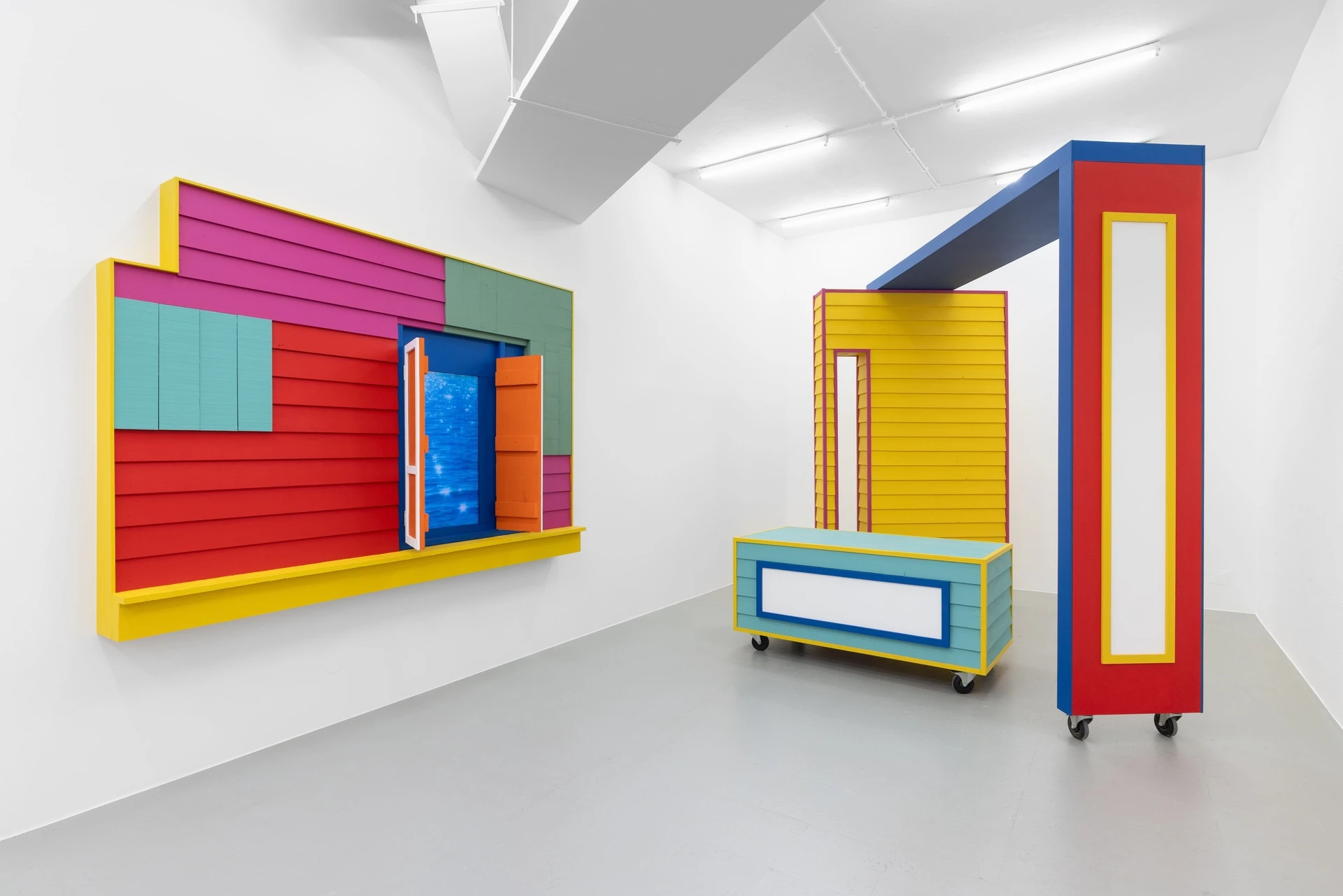
La Chantin, by Cisco Merel: the shell we are
By Orsola Vannocci Bonsi
Related Posts
agenda
23 SEP 2026
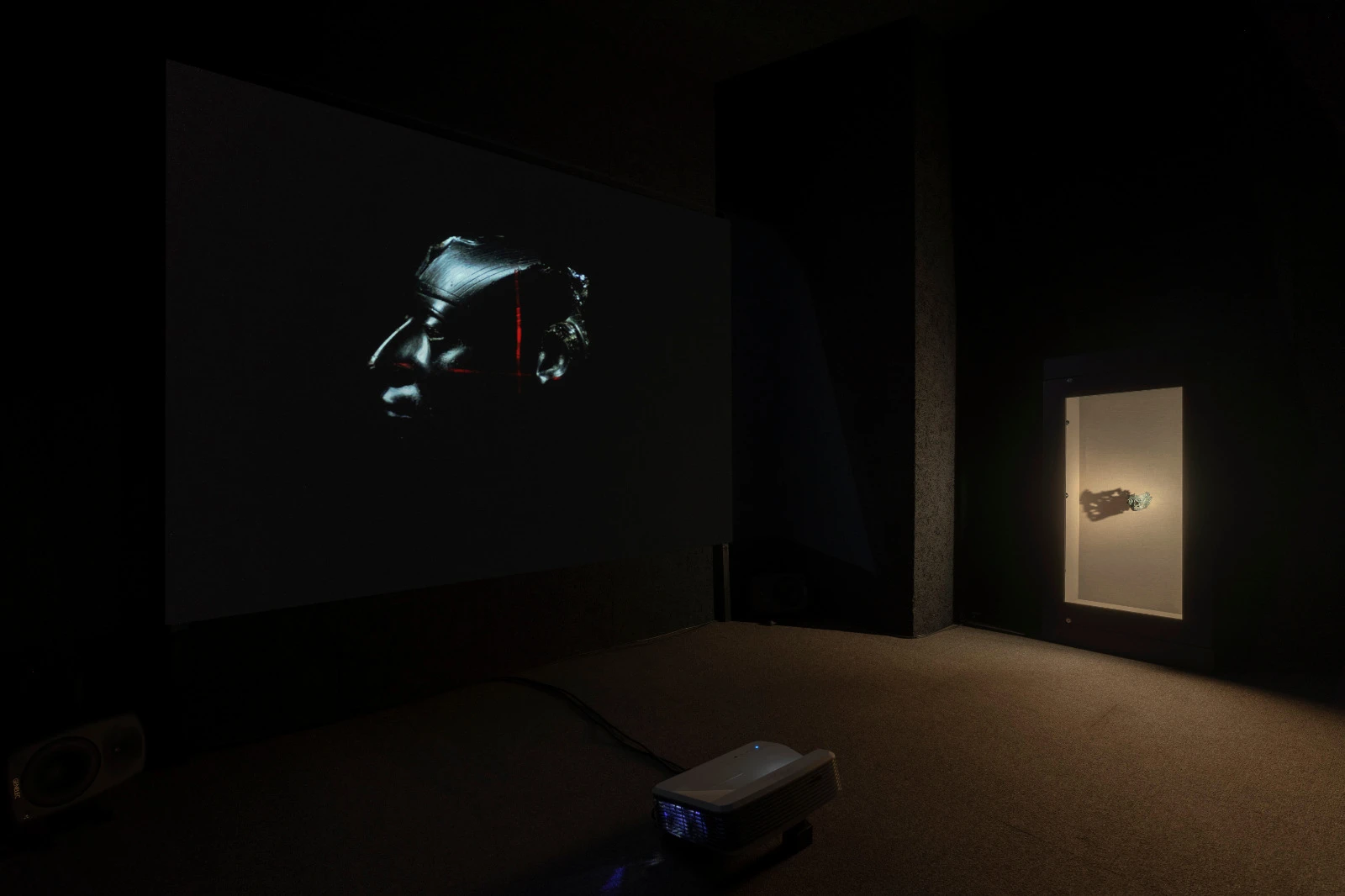
Opening of the NOVA Mafra Hub – Music, Art and Technology with the exhibition 'Amor Fati'
By Umbigo
agenda
22 SEP 2026
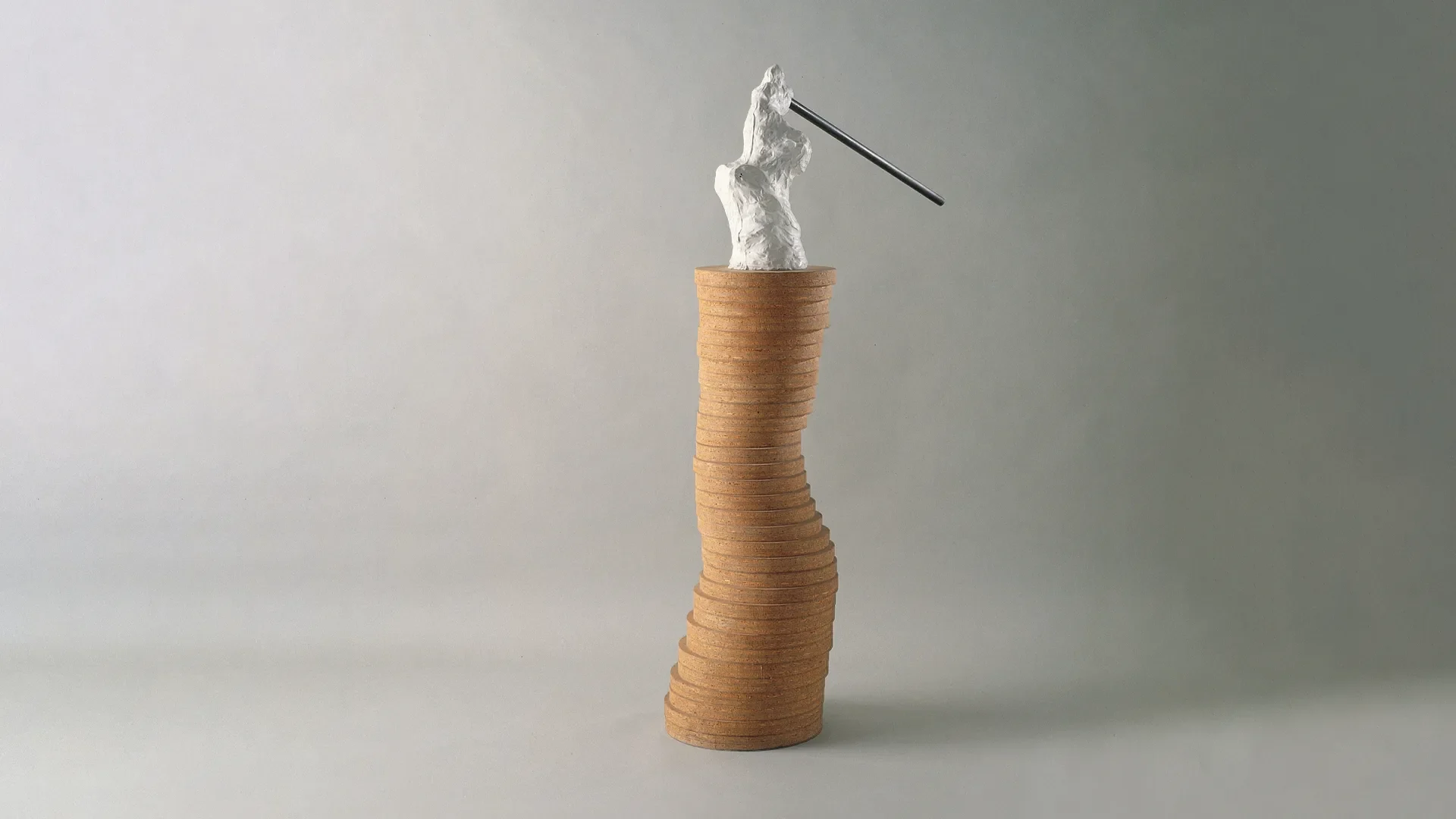
Cycle of conversations ‘FLAD Collection: The Dialogues’
By Umbigo
agenda
14 SEP 2026
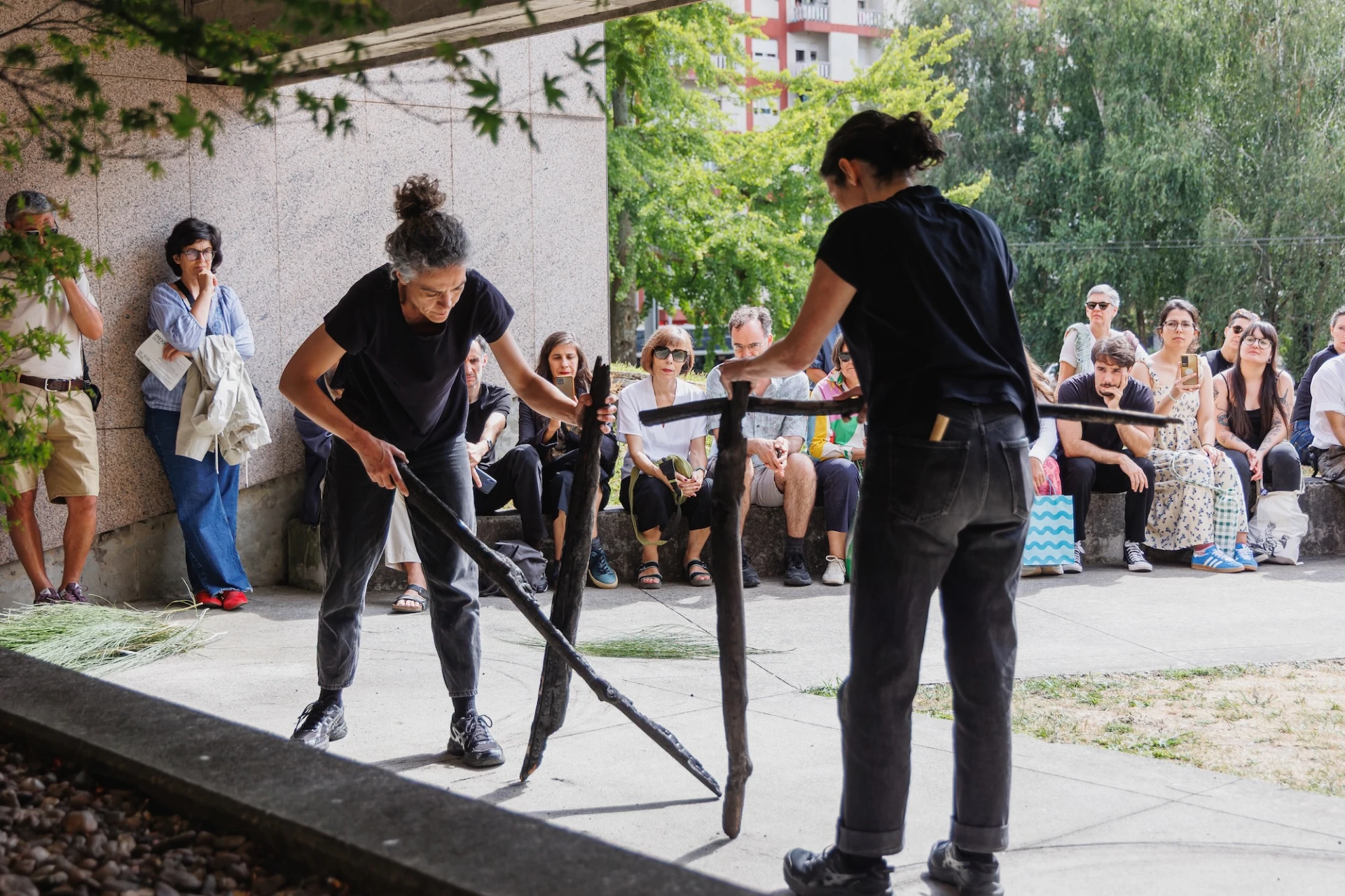
The duo Carla Cruz & Cláudia Lopes was selected for the UmbigoLAB artistic residency at Fundação da Casa de Mateus 2026
By Umbigo
agenda
14 SEP 2026
The Supporting Act Foundation opens its 2026 Grants
By Umbigo