article
Walking, Therefore Perceiving: On Luísa Jacinto's So Many Names
“There is no exit to be found and no final destination to be reached in Luisa Jacinto’s labyrinthine path; instead, what is discovered is the very presence of oneself in space as measured by one's body. As we move through the exhibition, we become increasingly aware of the environment we share with the works, understanding space not as a neutral container but as something that is continuously produced through the interactive encounters between the body, the movement, and the artworks.”
In the book Lines: A Brief History (2007), anthropologist Tim Ingold writes that to live an environment does not merely mean to occupy a certain space, but to create a relationship with it through movement. To walk along a path, which he calls wayfaring, is not just a way to reach a destination but a route, a journey, that unfolds in time and establishes the experience itself: in this process, the “walker” remains in constant relation with what surrounds her or him, and the surrounding are understood through the body, attentiveness, and lived experience. According to Ingold, walking is one of the primary ways through which individuals come to know themselves, transform their understanding of the world, and attribute a meaning to it. He also mentions that movement in the world rarely follows perfect trajectories, but it is irregular, twisting and improvised.
A similar idea emerges in Luísa Jacinto’s exhibition at Fundação Carmona e Costa, curated by Miguel Mesquita. Here, the visitor is confronted with a series of works that collectively construct a path. As the curatorial text accompanying the exhibition suggests, these works require movement around them, through them, within them, and even beyond them. One work in particular, which gives the name to the show, So Many Names (2025), which extends itself across the rooms, invites us, visitors, to actually walk through it, following it, almost becoming a guide or companion throughout the exhibition. Instead of acting as a fixed object, it accompanies the visitor, constantly reshaping the perception not only of the surrounding space but, by extension, of one's own presence within it.
This enhanced awareness and sharpened perception are encouraged by the very materiality of the works themselves. Their translucent or sheer surfaces allow visitors to see through them, perceiving the architecture of the building as well as the rest of the pieces presented, thus continuously confronting the viewer with the human scale of space. For instance, the painting So Many Names, mentioned before, on gauzy fabric, can be approached from different sides, passed beneath, or crossed at specific points, while visually intertwining with other equally translucent works along its course. In another gallery, resin shiny columns, Break (2026), similarly play with transparency, inviting viewers to walk around them and look through them, transforming movement into an active mode of perception.
There is no exit to be found and no final destination to be reached in Luisa Jacinto’s labyrinthine path; instead, what is discovered is the very presence of oneself in space as measured by one's body. As we move through the exhibition, we become increasingly aware of the environment we share with the works, understanding space not as a neutral container but as something that is continuously produced through the interactive encounters between the body, the movement, and the artworks.
The exhibition is open at Fundação Carmona e Costa, in Lisbon, until July 25, 2026.
BIOGRAPHY
Orsola Vannocci Bonsi is a cultural producer and advisor who has called Lisbon home for eight years. Through her work, she fosters connections through her research and the projects she helps bring to life. With experience as a sales director and gallery manager in various Portuguese art galleries, she was also project manager and artistic director of FEA Lisboa, founded the curatorial collective Da Luz Collective, and contributed to the programming of festivals in Italy and Portugal.
ADVERTISING
Previous
article
15 Jul 2026
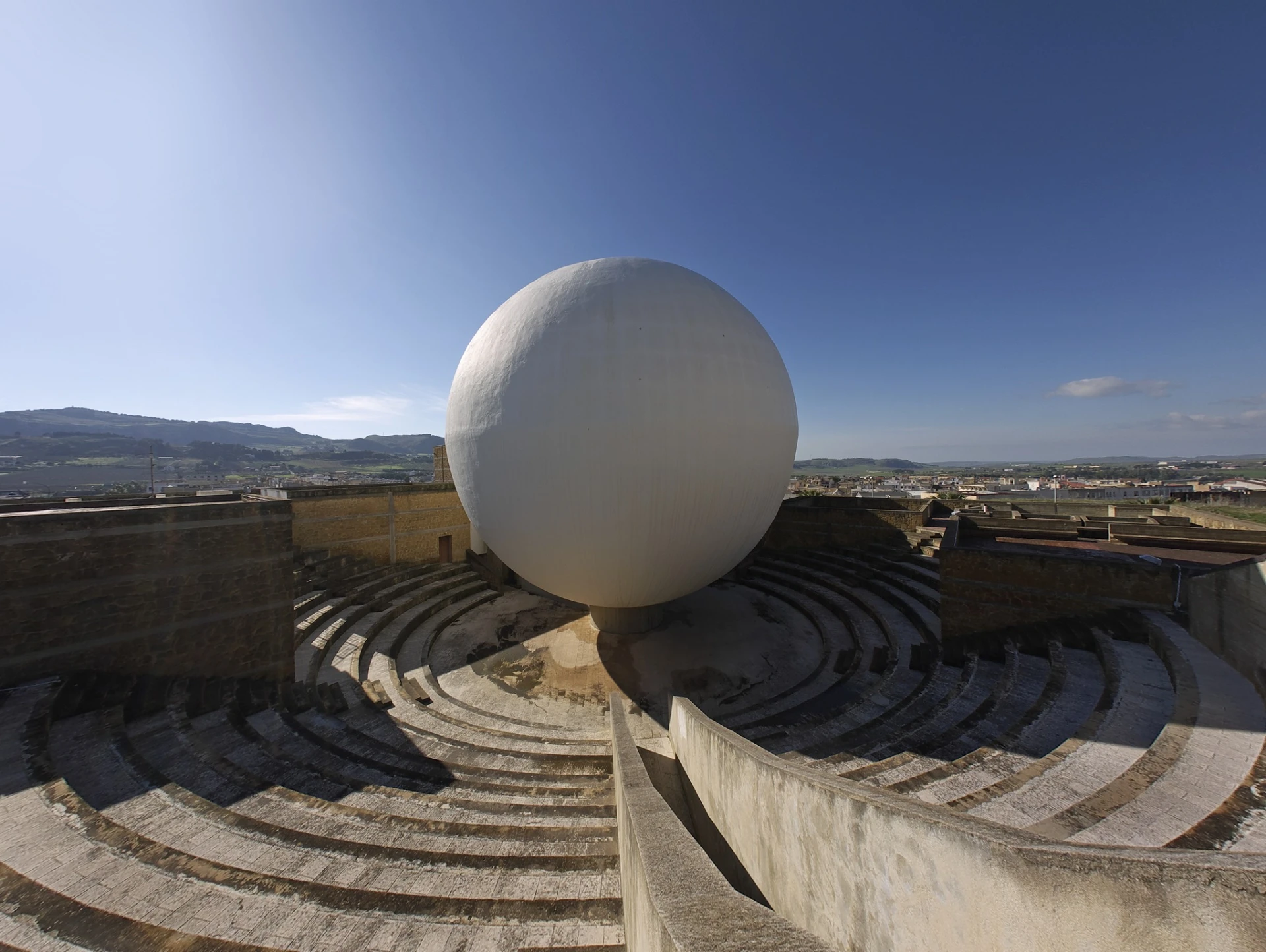
Gibellina - Capitale Italiana dell'Arte Contemporanea 2026
By Josseline Black
Next
agenda
16 Jul 2026
Application open for the International Conference ‘Shaping Ecological Futures: Arts, Institutions and Cultural Policy’
By Umbigo
Related Posts
article
21 AUG 2026
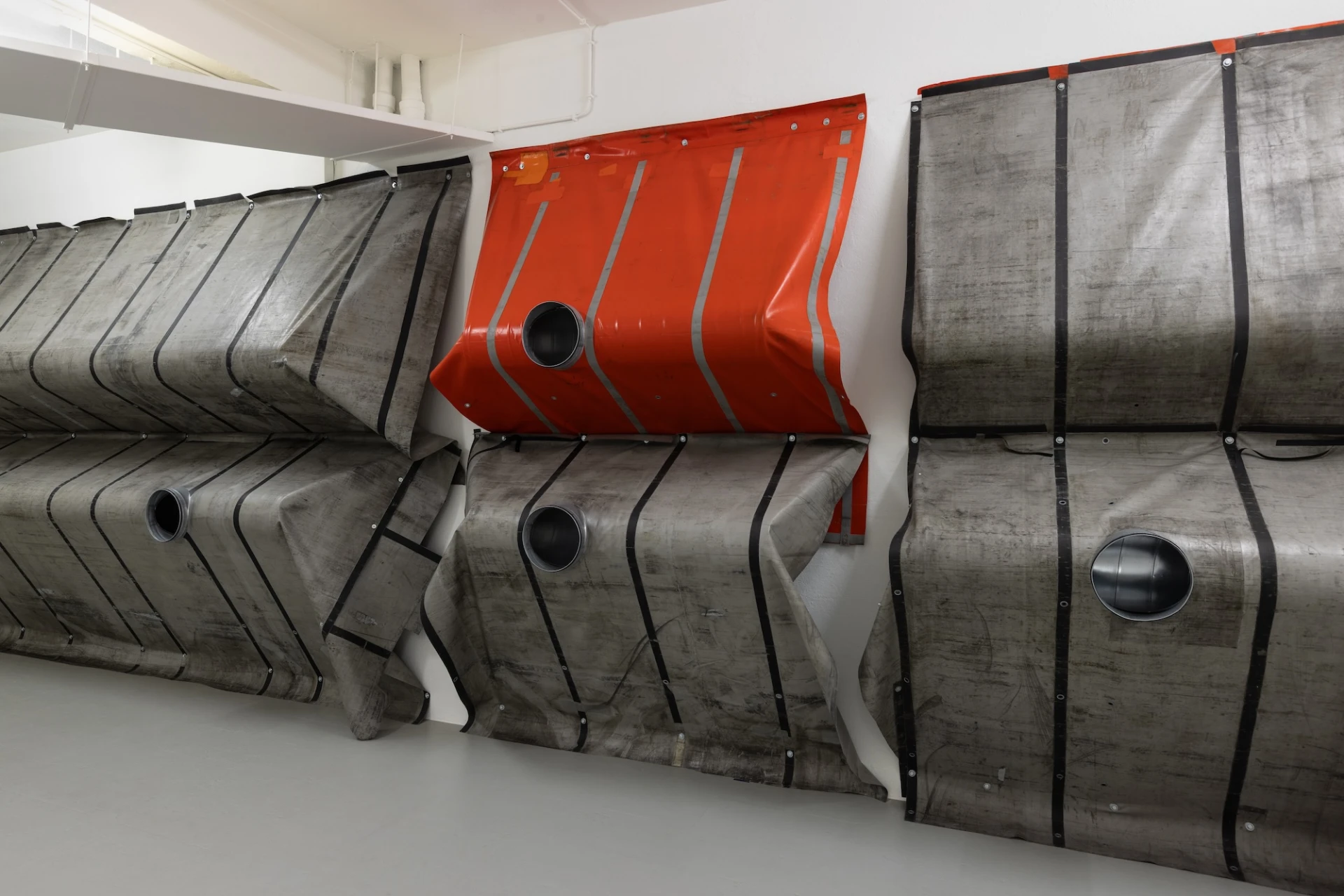
Visceral Hum: June Crespo at Kunsthalle Lissabon
By Orsola Vannocci Bonsi
article
16 JUL 2026
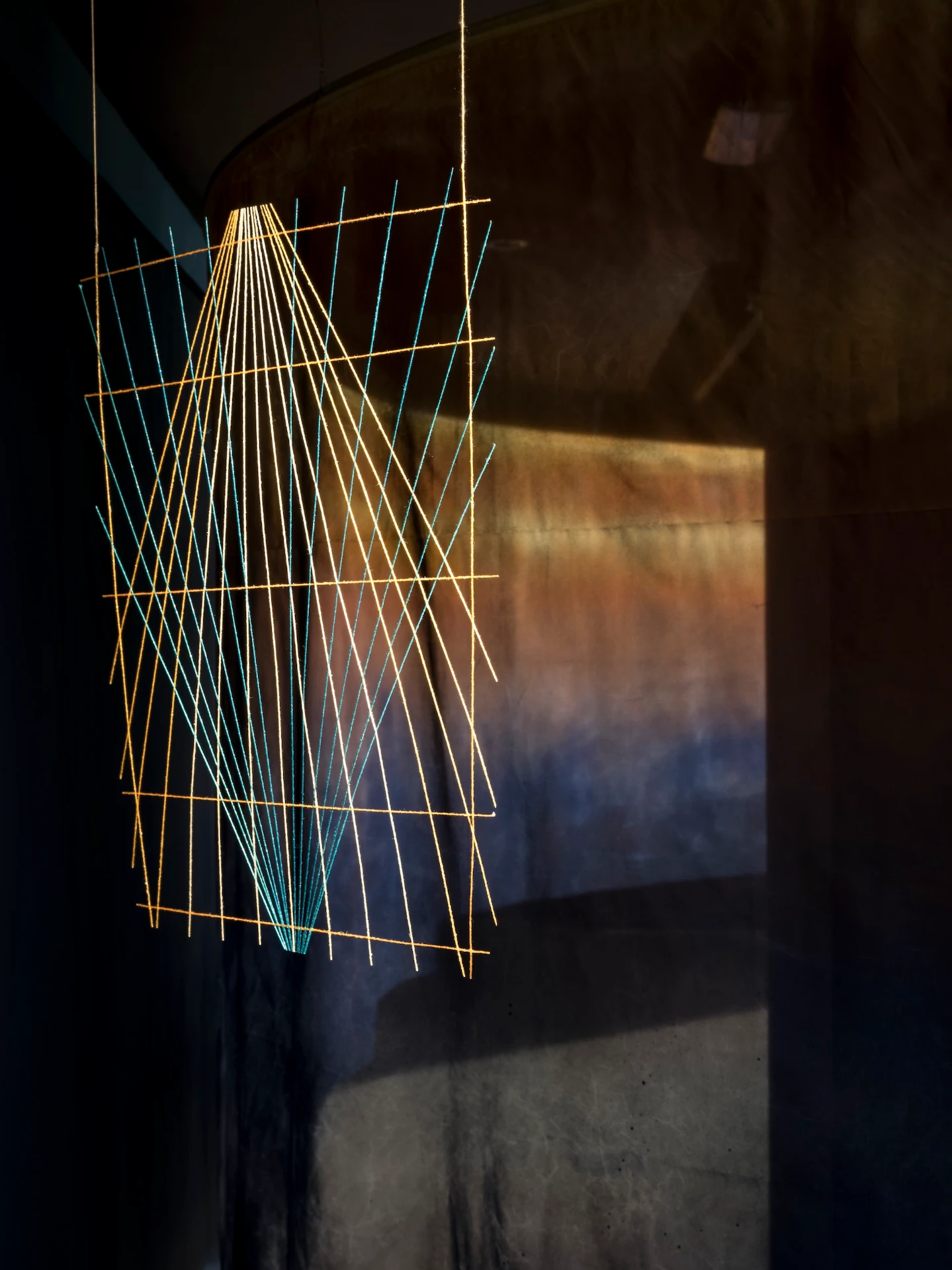
Walking, Therefore Perceiving: On Luísa Jacinto's So Many Names
By Orsola Vannocci Bonsi
article
14 MAY 2026
La Chantin, by Cisco Merel: the shell we are
By Orsola Vannocci Bonsi
article
08 APR 2026
Hyperfloods (and the Olympic Games): Hito Steyerl at Osservatorio Prada
By Orsola Vannocci Bonsi