article
Eva Gaspar at Salto: Until death does us part again
“In this artistic exercise, which is Eva Gaspar's first solo exhibition, the artist intertwines theology, the dance of bodies, and the reconstruction of memory, starting from a context of loss. The exhibition's problematic operates in a hybrid field, where the relic – religious artifact and object of veneration – is displaced from its canonical function to a speculative and intimate regime, problematizing death, living matter (the surplus, the appendage) as a phenomenological experience that, more than a visual representation, is effectively sensory.”
If the domestic history of Portuguese interiors were to be imagined, it wouldn't be described solely by the decorative plates on the kitchen walls by the fireplace, nor by the doilies covering the living room furniture, or by the family shrines, among saints, prayers, and portraits, in the bedroom. It would also be told by the essence of the petals that blessed the house, impregnating the lace curtains, or the soft folds of skin on the face washed with rosewater of those who live there. In Viaticum, Eva Gaspar's solo exhibition at Salto, curated by David Revés and Nicolai Sarbib, the gallery envelops us in the same perfume, whose olfactory memory transports us to an imaginary world—I believe—that is collective, common to the homes of many grandmothers.
In this artistic exercise, which is Eva Gaspar's first solo exhibition, the artist intertwines theology, the dance of bodies, and the reconstruction of memory, starting from a context of loss. The exhibition's problematic operates in a hybrid field, where the relic – religious artifact and object of veneration – is displaced from its canonical function to a speculative and intimate regime, problematizing death, living matter (the surplus, the appendage) as a phenomenological experience that, more than a visual representation, is effectively sensory. The starting point is based on a biographical episode involving the creation of a (secret) family reliquary containing a foot bone. This bone was brought by her grandmother at the time of the transfer of her husband's remains, the artist's grandfather. A secret she kept from the rest of the family, which she sought to hide after his death. By revisiting this episode, Gaspar promptly transforms it into something else, a narrative object that seems to transmute between finite love and eternal devotion.
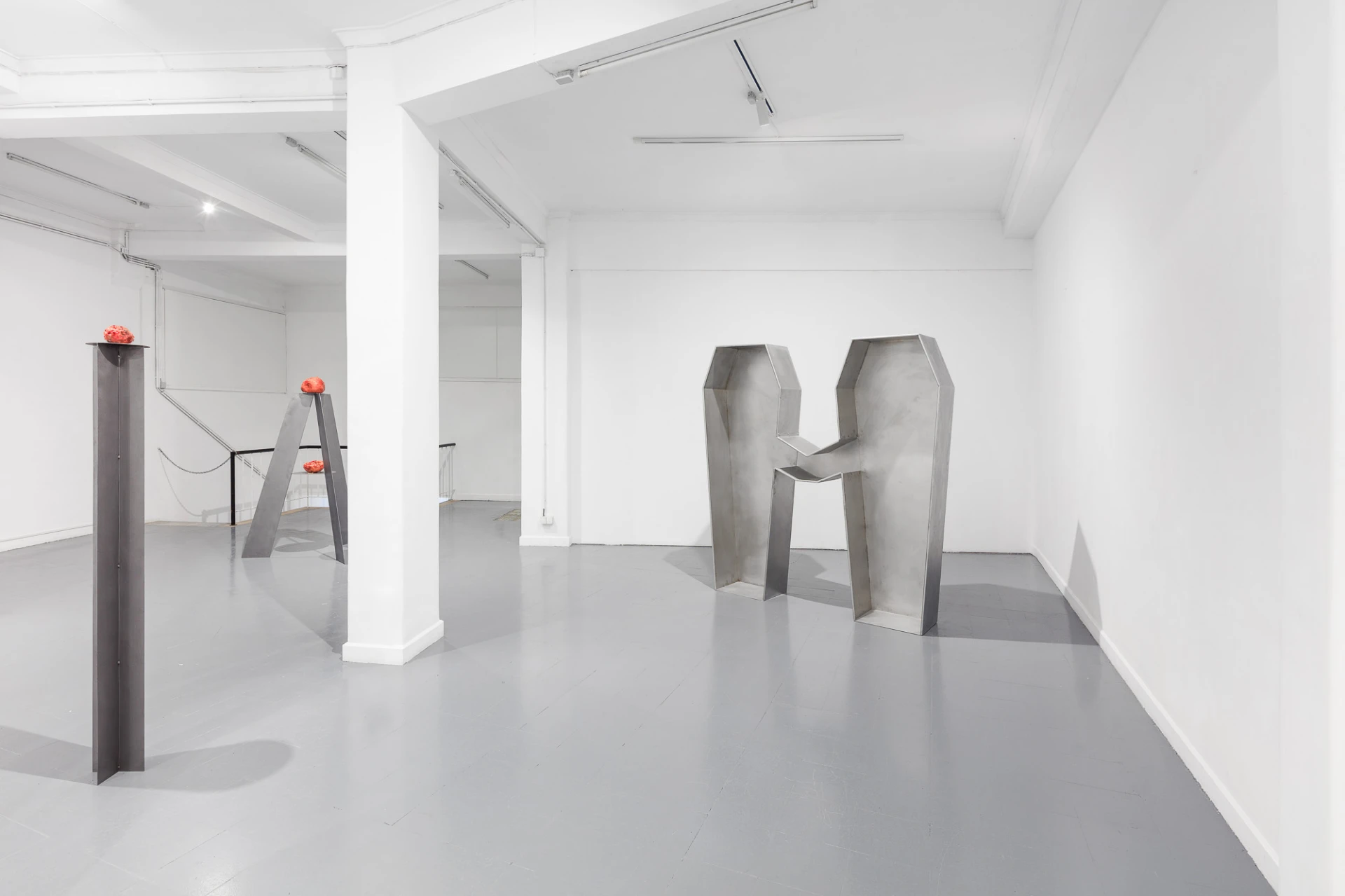
The collection of pieces functions as a counter-archive: the lost relic is symbolically reconstructed through artistic practice, using silicone pieces, metal plinths, teeth, and hair, questioning dichotomies between orthodoxy and heresy, devotion and repulsion, sacred and profane, science and witchcraft. This semantic shift is implicit in shock and repulsion, but is progressively replaced by a timid strangeness, in which humor takes on ritualistic contours. To achieve this, the artist proposes a sensory immersion, resorting to the spectator's participation as an active agent in the works, inscribing the collection of pieces that make up Viaticum in a practice that understands the public's body as a mediator. Consider the piece Caixão duplo para um verdadeiro amor (2025), two vertical sarcophagi that, contradicting both the horizontality of death and the verticality of the living, invite us to an intertwining of fingers until death separates or brings us back together. On the other hand, Viaticum (2025), which gives the exhibition its name, is a collection of white and black hosts – which we can therefore partake in, ingest, and integrate into the ritual. Between good and evil, yin and yang, figures the image of the key that Saint Peter hides from souls, or perhaps the one your grandmother used to guard her affection. Among the series of several striking and visceral reliquaries (Relicário I, II and III, 2025), which incite us to walk around, is Anunciação (2025), which we have already mentioned and whose effect we feel immediately upon entering the space. Raven feathers release the essence of rose throughout the gallery, announcing the arrival of the parish priest or invoking his blessing through incense.
It is at this point that the connection with the "Cronenbergian" aesthetic becomes relevant – an association brought by Nicolai Sarbib, since my olfactory memory was excessively captured by the (gentle and familiar) dark humor of Six Feet Under. Especially the imagery of David Cronenberg's film The Shrouds (2024) (which we also saw in The Fly, 1986, and in the stylized gore phenomenon of Coralie Fargeat's The Substance, 2024). Death and organic matter merge with tenderness and bodily horror. And, just as the filmmaker works with decomposition, the body, and the desire to preserve what is irretrievable, Eva Gaspar also "operates" in the zone of tension between the veneration of mortal matter and the discomfort of the fragmented body, inviting an aseptic and scientific reading, not forgetting the poetics of flesh as a ritual and symbolic prosthesis, without doilies, curtains, trinkets, or other flowery and kitsch comforts.
The sensory stimuli, polysemy, and aesthetic genealogy of Eva Gaspar's pieces will be on display at Galeria Salto until February 7th.
BIOGRAPHY
Architect (FA-UL, 2014) and independent curator (postgraduate at FCSH-UNL, 2021). In 2018, he founded the curatorial collective Sul e Sueste, a joint platform between art and architecture, territory and landscape. As a curator, he has regularly collaborated with a number of institutions, municipalities and independent spaces, including ‘Space, Time, Matter’ (group exhibition at the Madre Deus Convent in Verderena, Barreiro, 2020), ‘How to find the centre of a circle’ with artist Emma Hornsby (INSTITUTO, 2019) and ‘Fleeting Carpets and Other Symbiotic Objects’ with artist Tiago Rocha Costa (A.M.A.C., 2020). He was recently co-curator with architect Ana Paisano of the exhibition ‘Cartografia do horizonte: do Território aos Lugares’ for the Museu da Cidade in Almada (2023). He regularly writes reviews and essays for magazines, publications, books and exhibitions. He is co-author of the book ‘Gaio-Rosário: leitura do lugar’ (CM Moita, 2020), ‘À soleira do infinito. Cacela velha: arquitectura, paisagem, significado’ (author's edition with the support of the Direção Regional da Cultural do Algarve, 2023) and “Geografias Urbanas” (under publication). His professional activity revolves around the various branches of architecture.
ADVERTISING
Previous
agenda
16 Jan 2026
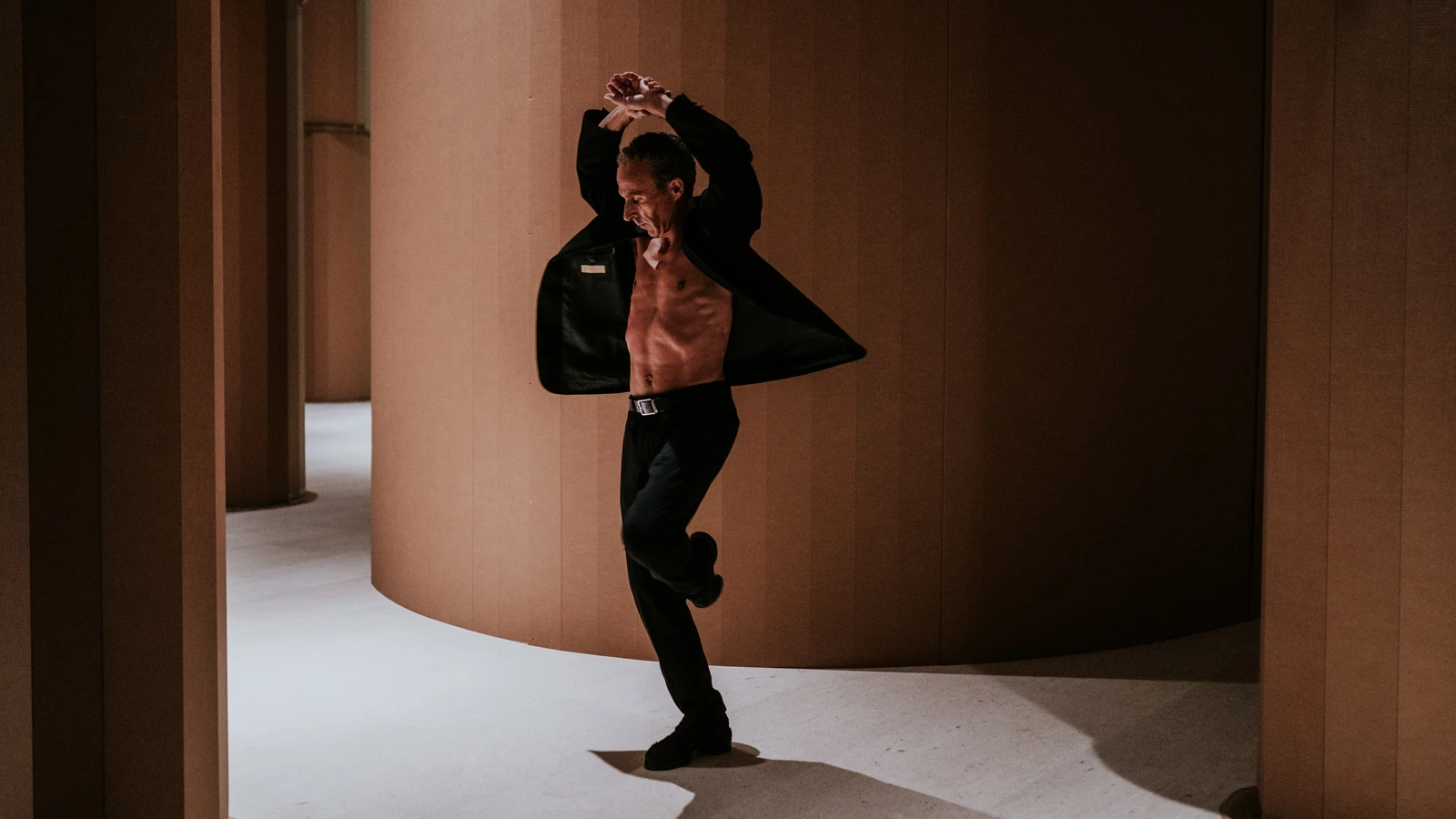
Anniversary of Art, on 17 January, at CAM
By Umbigo
Next
article
16 Jan 2026
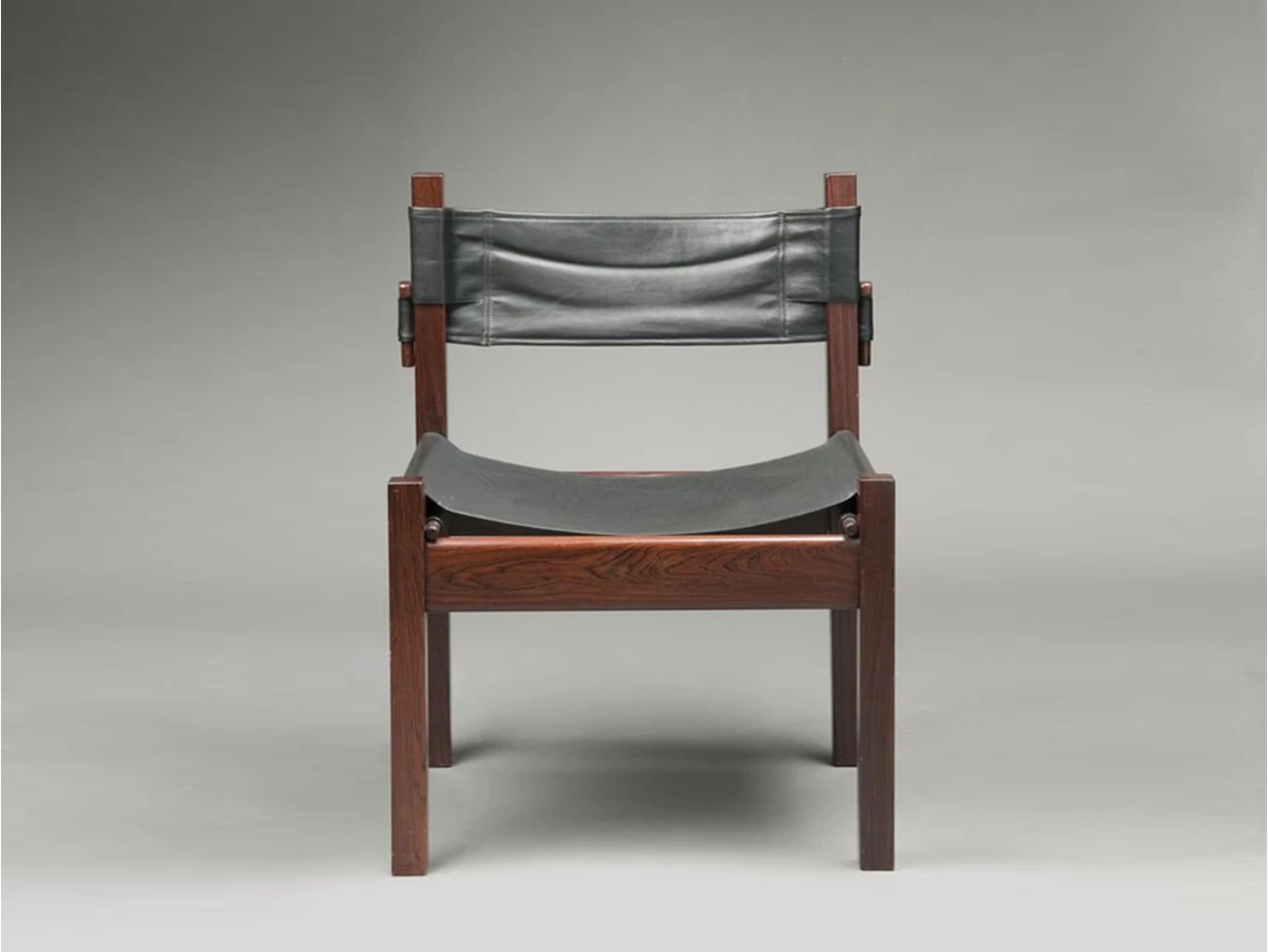
About the reissue of the Osaka chair, by António Garcia
By Carla Carbone
Related Posts
article
19 MAR 2026
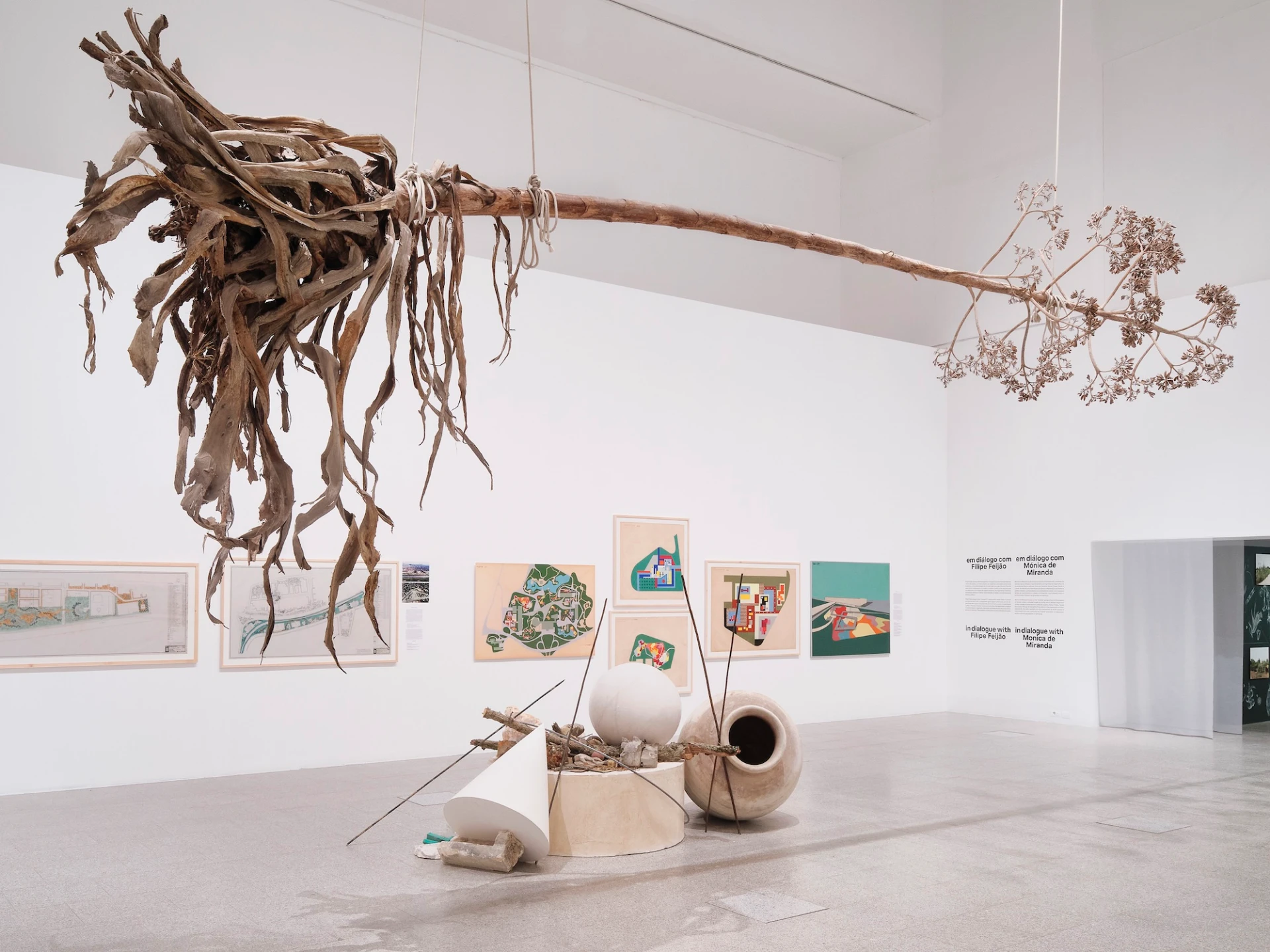
Burle Marx: in a garden of painted plants
By Frederico Vicente
article
16 JAN 2026
Eva Gaspar at Salto: Until death does us part again
By Frederico Vicente
article
30 OCT 2025
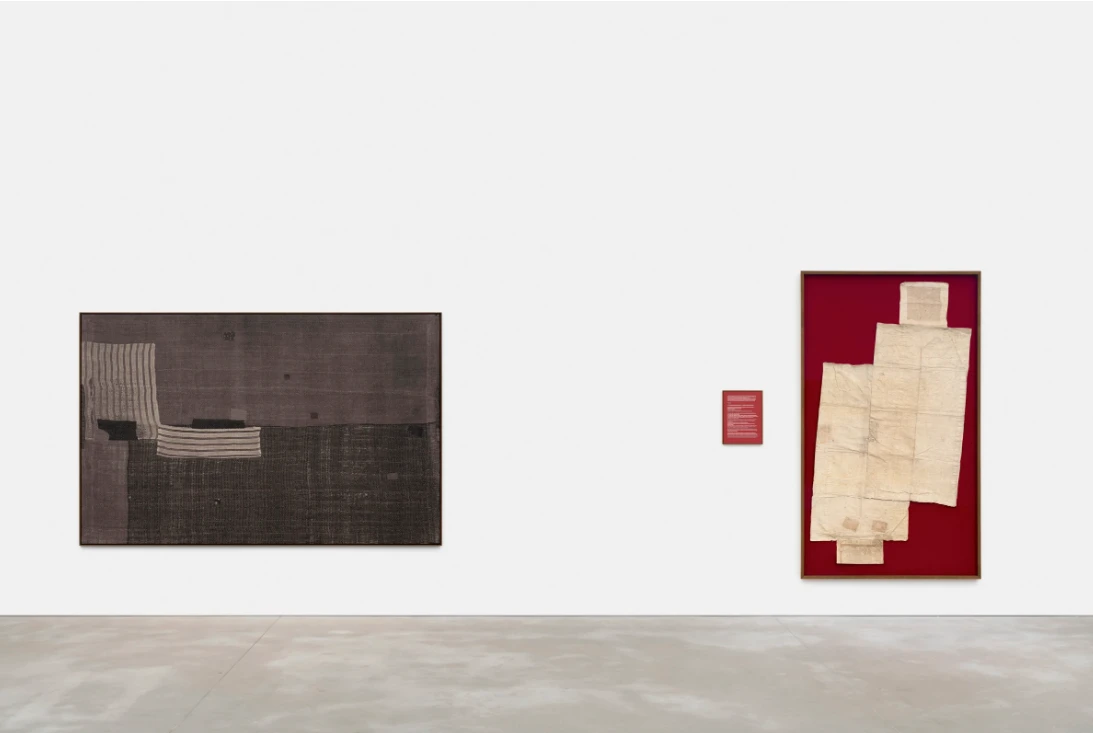
João Penalva in retrospect: the heteronomy of a singular artist
By Frederico Vicente
article
28 OCT 2025
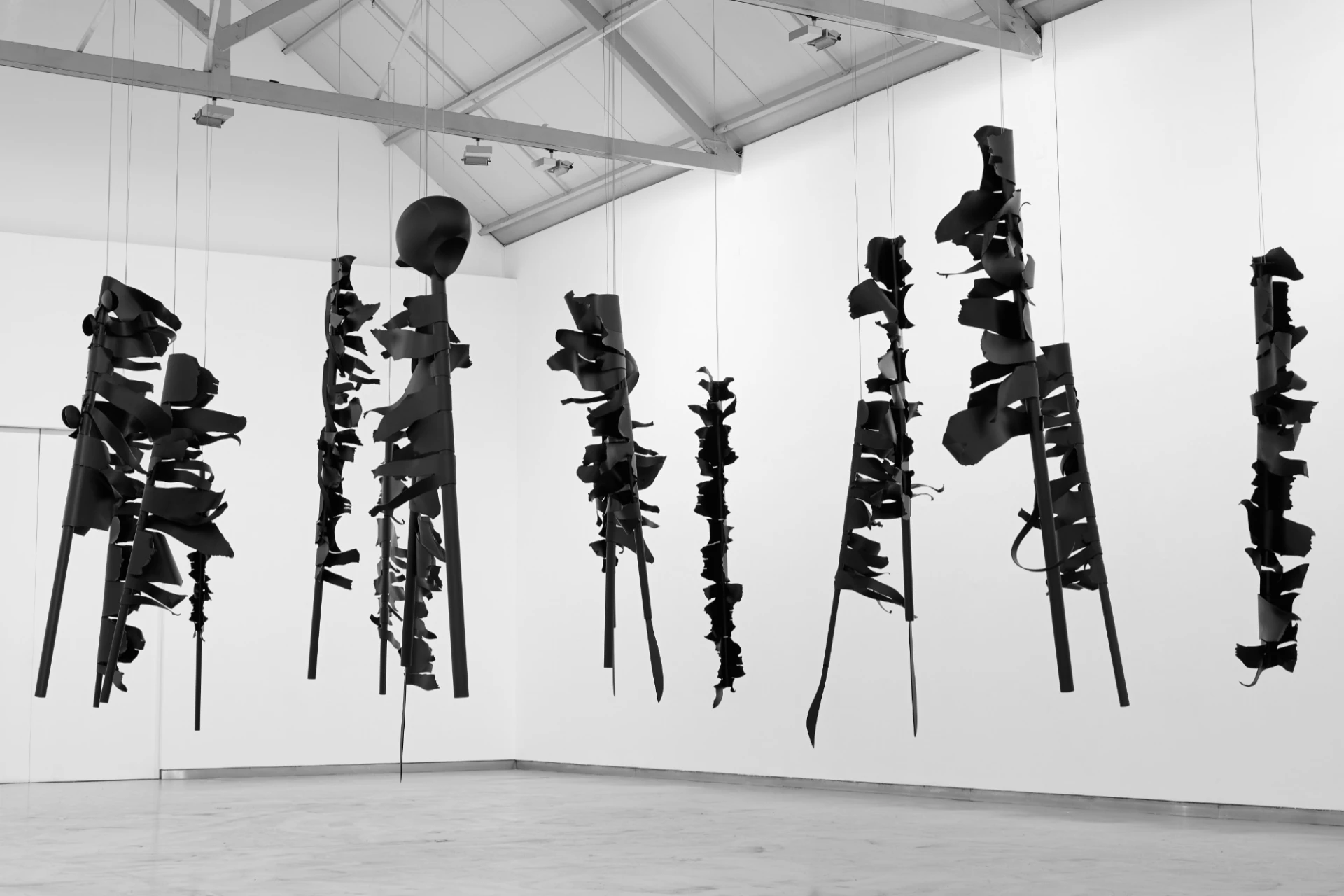
Rui Chafes: nineteen axes to believe in fire
By Frederico Vicente