article
About the reissue of the Osaka chair, by António Garcia
Inês Cottinelli, creative director of Atelier Daciano da Costa, gathered some guests at the auditorium of the Museum of Design, MUDE, in Lisbon, to announce the reissue of the Osaka chair, the legendary wood and leather chair created by designer António Garcia1.
During the discussion, held at MUDE on 27 November, Cottinelli showed a short film that, in addition to mentioning Garcia's involvement in the design of the Portuguese Pavilion in Osaka in 1970, highlighted the strong friendship and close relationship that the designer established with Daciano da Costa throughout their lives.
This initiative also served to mark the recent acquisition of the Osaka chair for the Vitra Design Museum's international collection, underscoring the designer's immense importance in the country's design history and in Portuguese culture.
The Vitra collection recently added the Alvor and Quadratura chairs by Daciano da Costa, marking another step towards the projection and internationalization of these two remarkable designers.
The panel for the discussion, about the film and Garcia's chair, included Ana Sofia Matos, Bárbara Coutinho, and Inês Cottinelli, who have been promoting and re-editing Daciano da Costa's legacy.
The Osaka chair, by António Garcia, was created in 1970, on the occasion of Portugal's participation in the Osaka '70 Universal Exposition, Japan2. The Portuguese Pavilion was then a project conceived by Garcia, Frederico George and Daciano da Costa3. Designed exclusively for this event, and in order to mitigate possible transport constraints, the chair was designed to be lightweight, modular and easy to disassemble.
In 1968, António Garcia had already designed office furniture for the Sousa Braga furniture company, particularly the PS-1 and PS-2 model desks. In the same year, his friend and colleague, Daciano da Costa, was designing the Habitat 70 furniture line for the same company.
There are several projects in which these two designers worked together. In 1960, Garcia developed the interior design for the CUF administration offices in the INII exhibition space at the Lisbon International Fair (FIL), and Daciano da Costa designed the layout for the 500th Anniversary Exhibition of Prince Henry the Navigator (in partnership with Frederico George). Other projects reaffirm this shared path forged by these two great pioneers of Portuguese design: the Hotel Alvor-Praia(1968), a comprehensive project by José Espinho, involved António Garcia, Daciano da Costa, and the sculptor Jorge Vieira, among others. In 1974, Daciano da Costa founded the atelier Risco, where he also worked with the designer António Garcia.
António Garcia's work also made a strong impact in the field of graphic design. We know of the designer's intense collaboration with the Tabaqueira company between 1964 and 1974, and the brands he worked with, such as the well-known SG Ventil (SG), SG Gigante, SG filtro, and also Sintra, Kayak, Monserrate, High Life, Ritz, and Plaza Internacional.
The prominence given to this designer, and Inês Cottinelli's gesture of publicizing and re-releasing his chair, the most emblematic of his career, repositions the designer in a more than deserved leading role within design, and places him, due to its timelessness, organic nature, and comfort, at the center of the current design debate.
Garcia was, in the 1960s and 70s, one of the most important heroes in an effort to consolidate and promote the discipline of design in Portugal. The state of design in Portugal at that time was small compared to other countries. His entry was late, in a country where, according to Afonso Santos, industry was incipient; education was outdated; and artistic culture was insufficient4 (Santos, 2001, 63).
The 1960s, and later the 1970s, were characterized by a consolidation of the paths of Portuguese design, already initiated in the 1950s by Conceição e Silva, and by the sculptors Júlio Pomar, Sá Nogueira, Rocha Correia, Querubim Lapa, Jorge Vieira and Vasco da Conceição. At the time of the Exposição de Decoração Moderna (1951), they ensured a bridge between the practice of design and art, an important effort for a renewal of design criticism in the country, which included a more innovative design language, distanced from the dominant historicism and folklorism (Santos, 2001, 64).
During this period, it was also strongly debated, by Daciano da Costa, in Design e mal-estar, the few opportunities given to Portuguese designers to actively participate in the transformation of life (Costa, 1998, 11) and in the rational resolution of problems in production within the socio-economic-cultural order in which we were inserted5.
The work of António Garcia, who is considered one of the most prominent figures in the chronology of design pioneers, deserves detailed study due to its inventiveness, innovation, and pioneering spirit.
1 António Garcia studied at the António Arroio Art School (having also worked, according to José Bártolo, with Sena da Silva between 1947 and 1959: BÁRTOLO, J. (2016) Daciano da Costa, Protagonist of Portuguese Design of the 20th Century, both as a multifaceted designer and as a theorist, José Bártolo, Leonor Ferrão, Collection of Portuguese designers, Público newspaper, p. 24). The Osaka chair was designed by Garcia for the Osaka Universal Exhibition in 1970.
2 BÁRTOLO, J. (2015). Design Português, Cronologia 1960/2015. Verso da História – Edição e Conteúdos, SA, ESAD – Escola Superior de Artes e Design. Collection of the Público newspaper. Page 32.
3 Ibidem
4 SANTOS, R. A (2001) Daciano da Costa e os Percursos do Design Português, 1950 – 2000, Daciano da Costa Designer. Fundação Calouste Gulbenkian.
5 COSTA, D (1978). Industrial Design: What “Design” is Portuguese?, Expresso, Intercasa Supplement, October 6, 1978, p. 7, published in Design and Malaise – Daciano da Costa, Portuguese Design Centre, 1998.
BIOGRAPHY
Carla Carbone was born in Lisbon, 1971. She studied Drawing in Ar.co and Design of Equipment at the Faculty of Fine Arts in Lisbon. Completed his Masters in Visual Arts Teaching. She writes about Design since 1999, first in the newspaper O Independente, then in editions like Anuário de Design, arq.a magazine, DIF, Parq. She also participates in editions such as FRAME, Diário Digital, Wrongwrong, and in the collection of Portuguese designers, edited by the newspaper Público. She collaborated with illustrations for Fanzine Flanzine and Gerador magazine.
ADVERTISING
Previous
article
16 Jan 2026
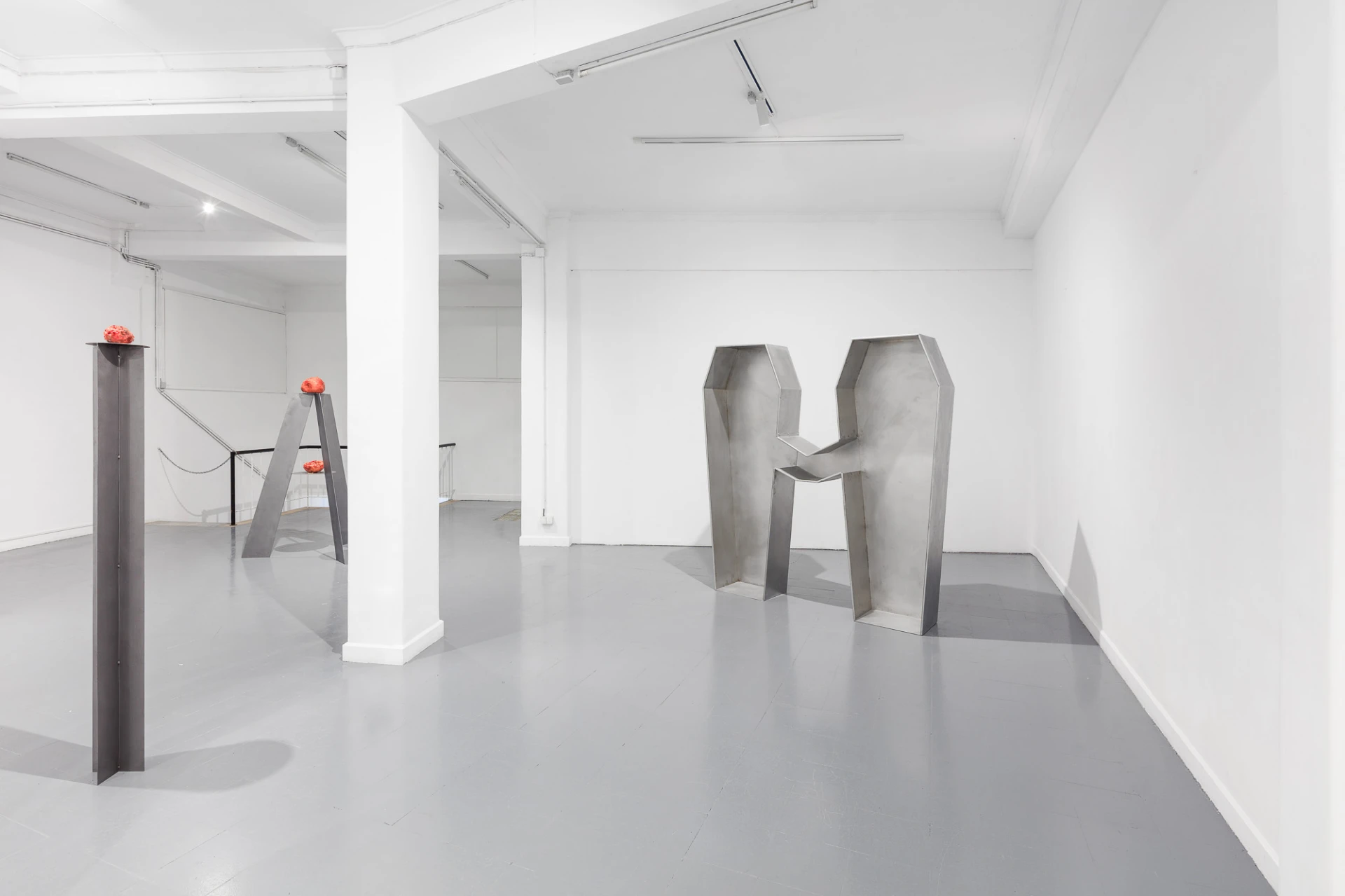
Eva Gaspar at Salto: Until death does us part again
By Frederico Vicente
Next
article
19 Jan 2026
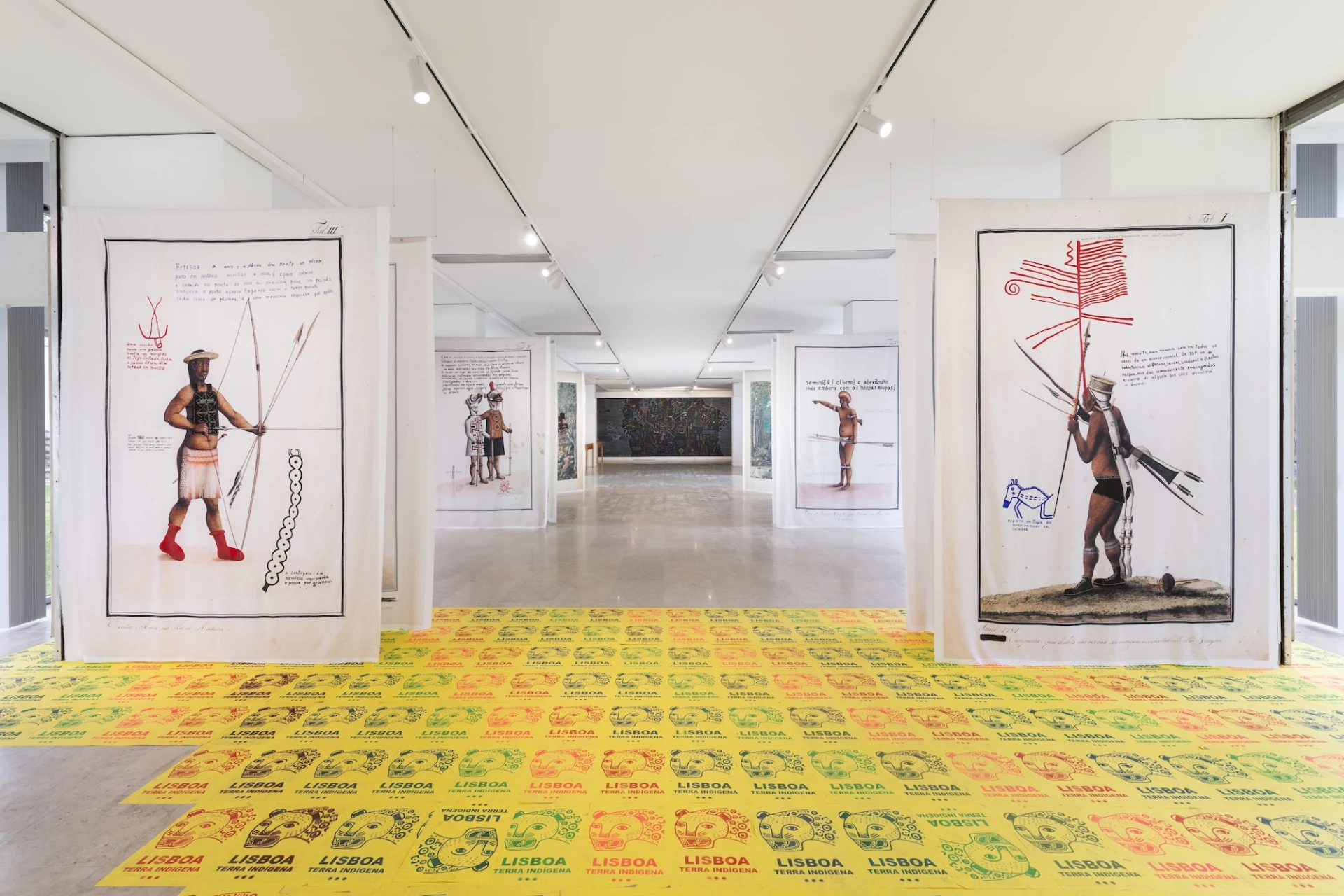
One says “kill,” the other says “skin”—except that the first was misunderstood and was a noun.
Denilson Baniwa's Counter-Spell and everyone's Wayuri
By Benedita Salema Roby
Related Posts
article
23 SEP 2026
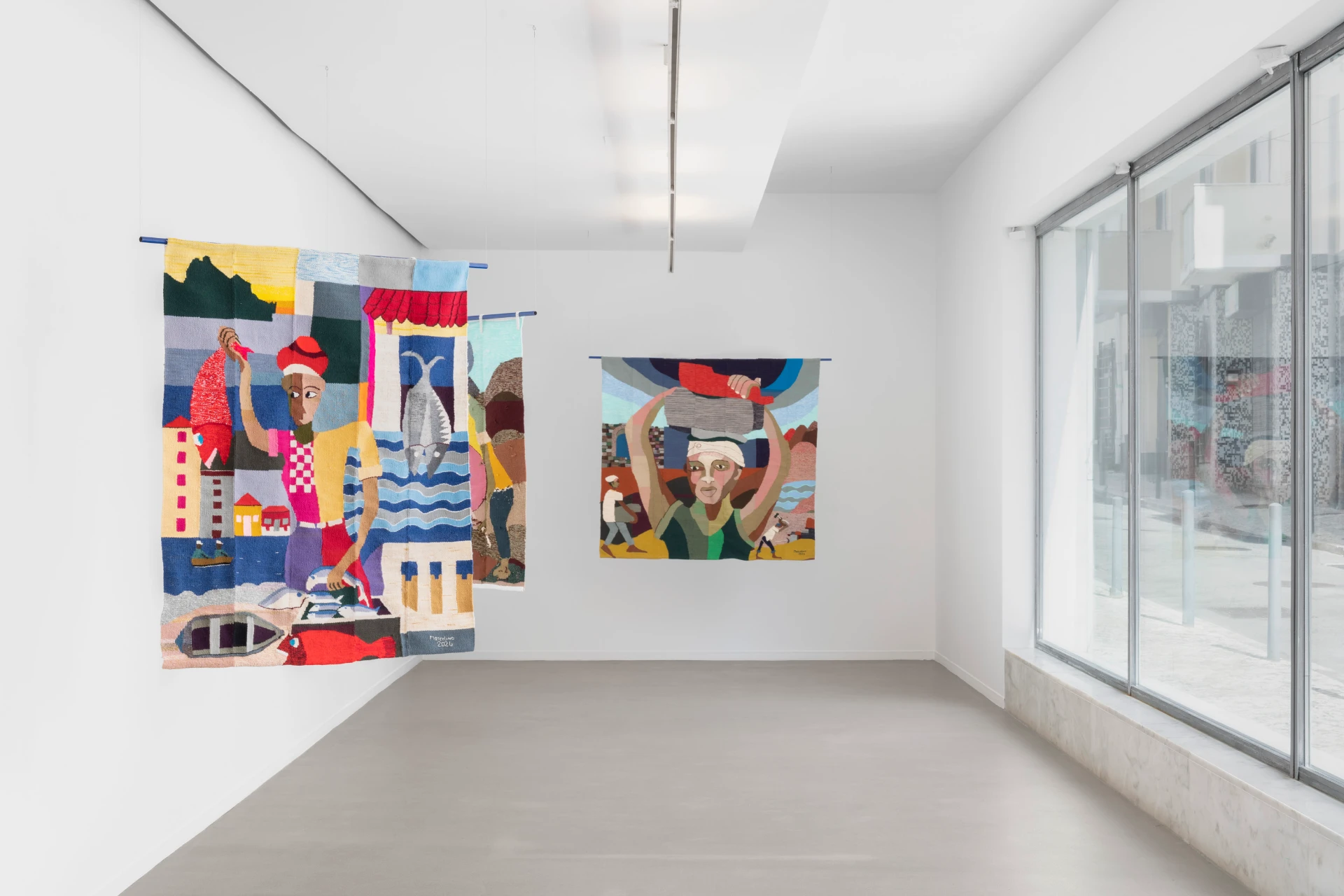
Realismo Ilhéu: Marcelino Santos at the Museu do Neo-Realismo
By Carla Carbone
article
10 AUG 2026
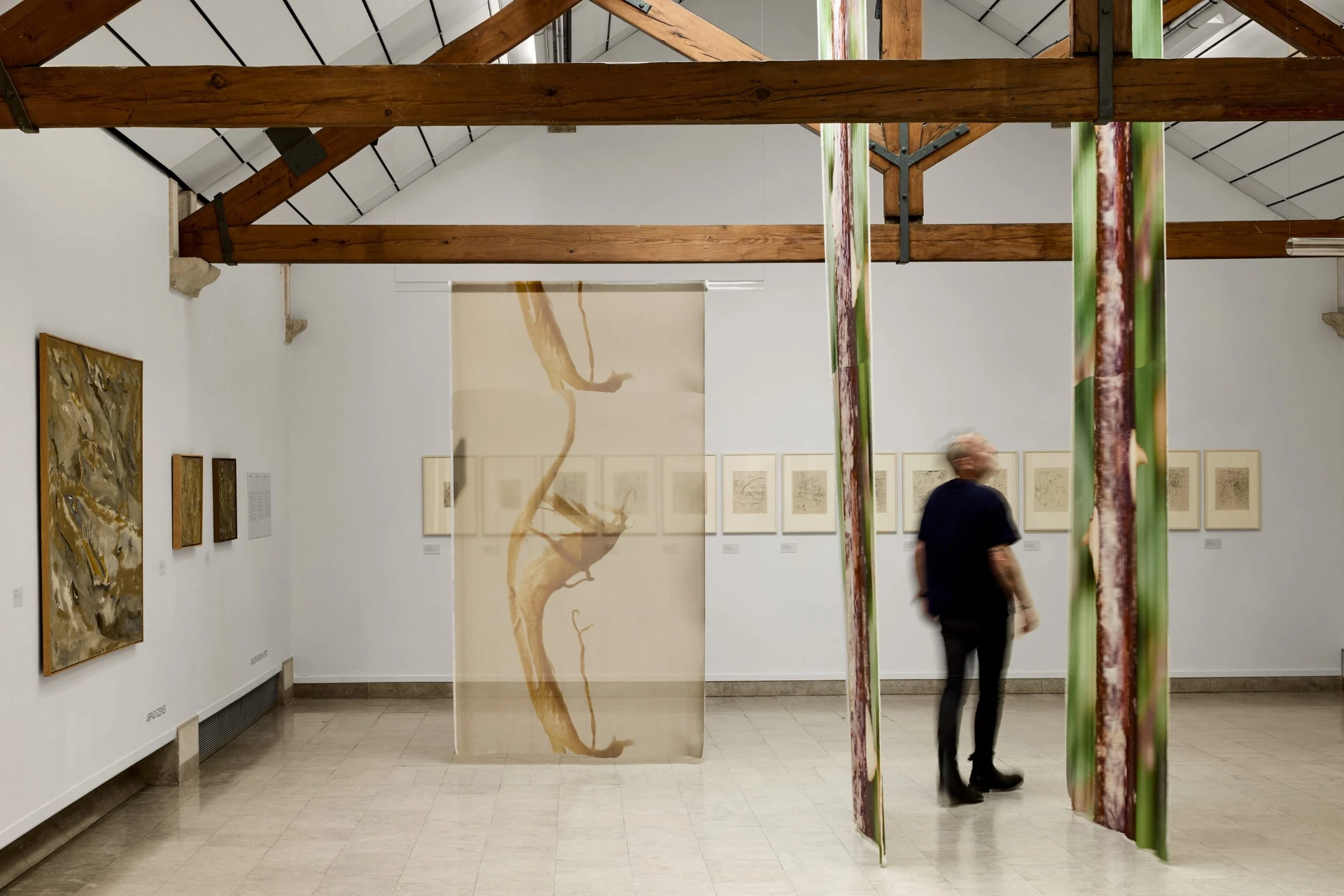
Second Cycle of Exhibitions at the Arpad Szenes – Vieira da Silva Foundation
By Carla Carbone
article
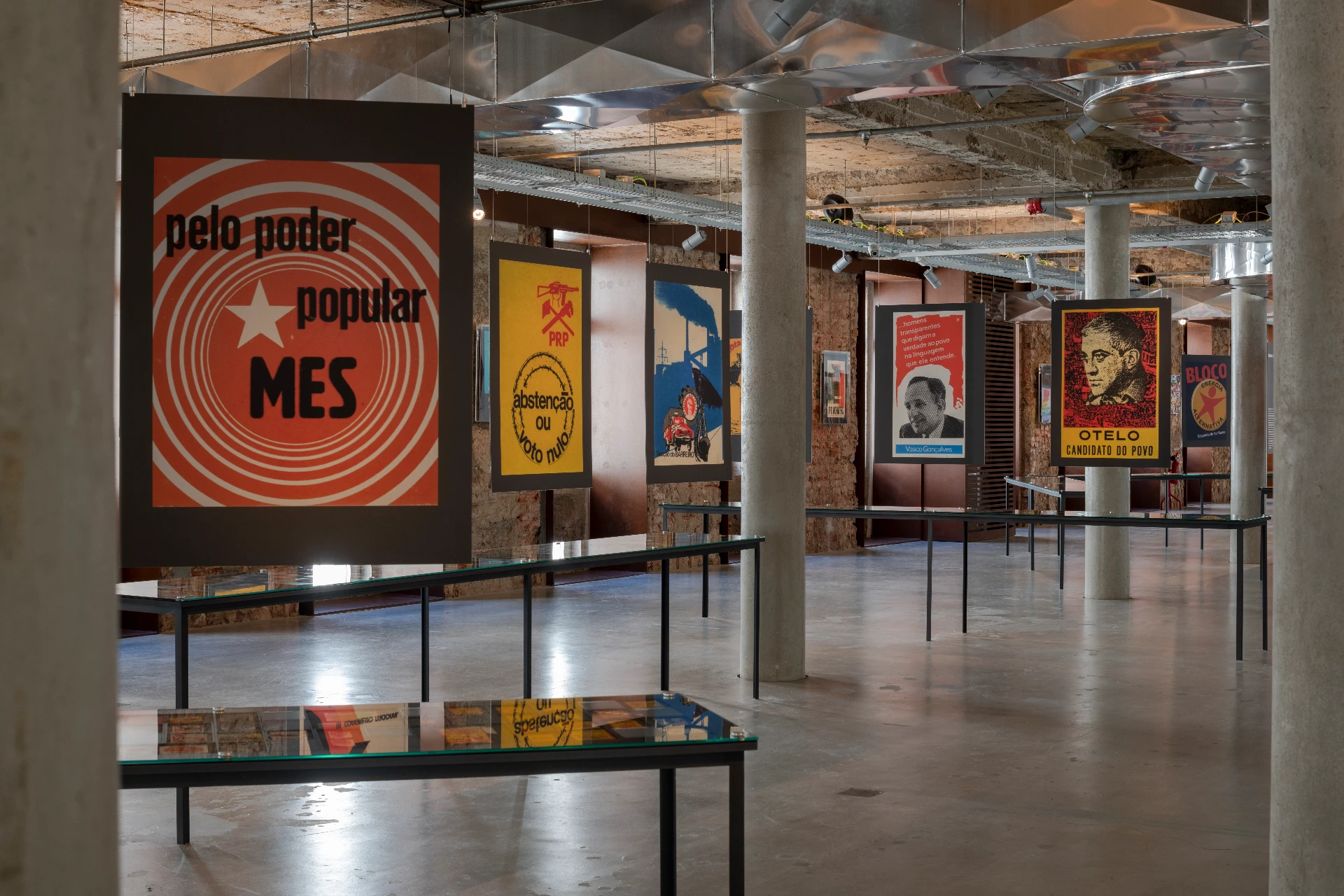
06 AUG 2026
Autocolante. Iconografia da Liberdade, at MUDE
By Carla Carbone
article
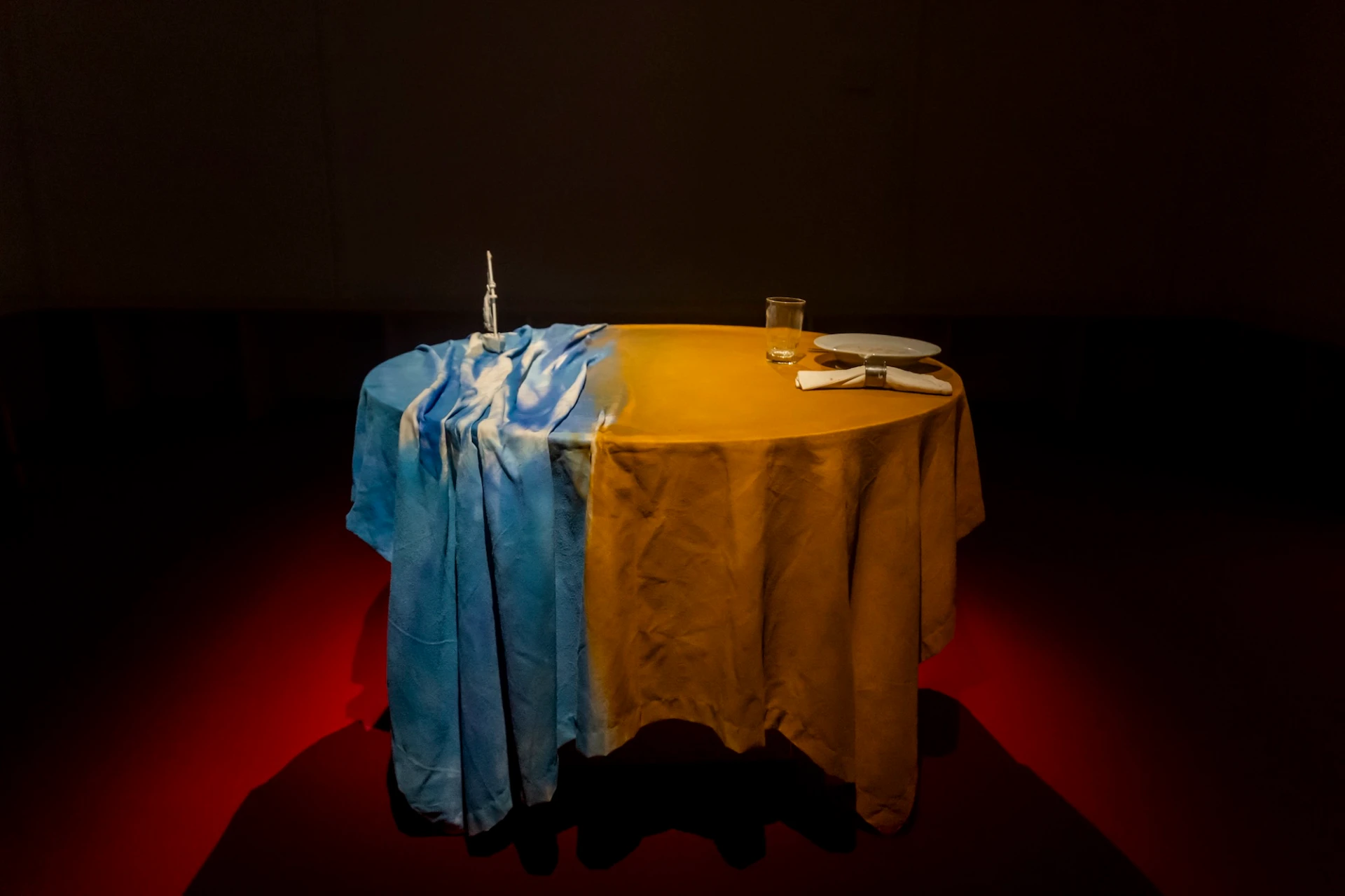
09 MAY 2026
Mesa-Paisagem (1973), by Ana Vieira, at Brotéria
By Carla Carbone