article
Phantom Tales, by Pedro Zhang
I visited Pedro Zhang’s exhibition on an afternoon bathed in near-excessive light, which contrasted with the atmospheric density of the works on display. I had already encountered his work at Galeria Monitor, as part of Pequenas Notas Sobre Figuração II—where it engaged in dialogue with other artists—and that prior experience set the stage for anticipation, excitement, and an attentive predisposition toward this new encounter.
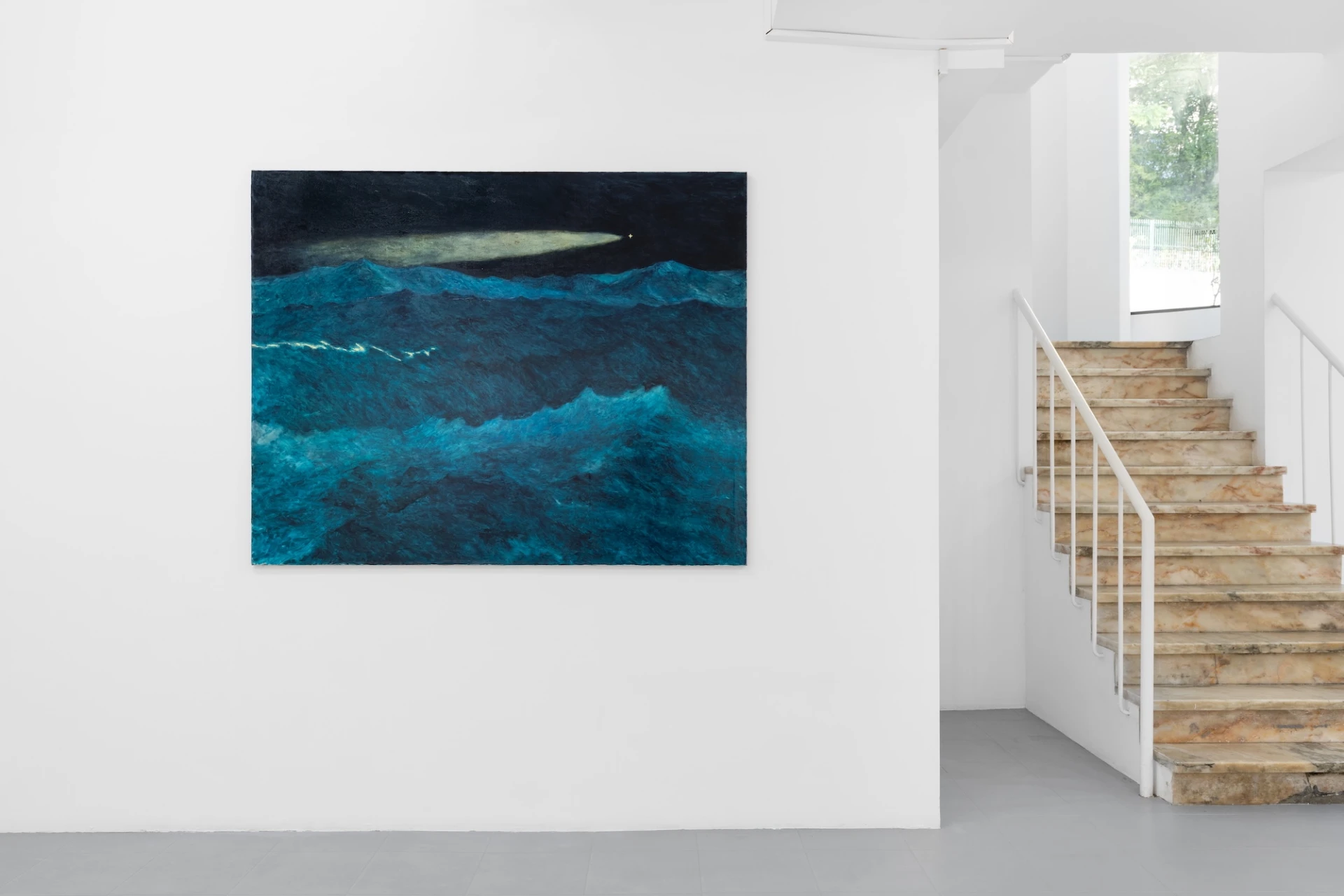
The first encounter took place on the upper floor, with Herbarium (2026), followed by Lusco-fusco (2026) and O ponto, allowing us to glimpse the visual grammar that would unfold throughout the rest of the exhibition: a suspended, dense atmosphere where figuration seems to emerge and dissolve in a single gesture. Three works that calibrate the gaze, preparing it for an experience that demands a lingering, almost tactile attention. Yet it is on the lower floor that an element imposes itself upon me with particular intensity. A luminous, yellow substance that traverses nearly all the canvases, like an impulse in constant motion. An almost fleeting presence, appearing in accumulations, stars (Looking for the Far Side of the Moon, 2026), in incisive strokes that are simultaneously guiding and evasive (Cardinal direction, 2026). There is, in these wandering lines—which approach an intimate cartography like lines of destiny (In-yun, 2025)—and in the works, I would say, something directional, as if they were indicating possible paths. It is a promise of guidance that, in truth, is constantly thwarted by its own instability: what seems to guide the gaze toward a possible narrative quickly eludes it, shifting, interrupting itself, and starting anew at another point. An underground logic of connection emerges, a field of forces where each work operates as a vestige of a path that is constructed in the very act of making, of seeing, based on signs that do not settle.
In my opinion, it is within this interplay—between something that emerges and something that eludes us—that Phantom Tales takes shape, structured through works that do not present themselves as self-contained entities, but rather as traces of worlds in constant construction, grounded in a persistent exploration of how images come into being. Zhang thus constructs a pictorial vocabulary that operates in an intermediate zone, where the visible is continually destabilized by what is sensed. Each canvas articulates a kind of archaeology of the gaze, summoning layers of time and experience that resist linear organization. Rather, a simultaneity of moments, layers, and forms emerges, coexisting in an expanded time, in permeable, dreamlike states, as if they were part of the same dream.
The artist’s practice is rooted in an intimate relationship with the natural world, albeit filtered through processes of idealization and memory. It is not a matter of representing the natural world as it appears to the eye, but of reconstructing it from fragmentary impressions, from everyday stimuli that are transformed into paintings with a language of their own. They exist on an uncertain boundary between the real and the imaginary, between the material and the ethereal, between memory and sensory experience. The artist seems to seek the essential, raw, and refined, prioritizing the gradual emergence of the image, where forms emerge as the gesture takes shape, in a continuous movement of appearance and transformation, a bringing forth that also implies a certain erasure. In conversation regarding the group exhibition he participated in at Monitor, the artist shares that he often positions himself as an observer of a universe he constructs, but to which he does not entirely belong. Images seem to derive from a distant memory, of an indeterminate nature, like fragments of a dream that resist clarification.
From a material standpoint, the oil paint is crafted with an almost tactile sensitivity, exploring its physical properties—density, viscosity, sheen—to produce surfaces that resist the transparency of representation. It is active, living matter. There are no definitive contours, nor fixed identities. Through persistent brushstrokes, hands (Threads of Fate, 2026) and animals (Impasse, 2026; The Hunt, 2025) become organic forms that emerge in a sort of transitional state, on the verge of becoming something else or disappearing. The articulation between different scales also contributes to this instability. Elements that evoke vastness—the sea and indistinct expanses—coexist with intimate details, creating a perceptual experience that challenges conventional modes of organizing pictorial space.
Zhang seeks to preserve potential narratives, dimensions, and territories in a state of latency, entangling them in ongoing processes of interpretation and projection. He insists on a carefully constructed formal ambiguity that underpins the artist’s transcendental universe. I believe that it is precisely in this refusal of the obvious that the strength of Pedro Zhang’s work lies. By thwarting expectations of clarity and resolution regarding what is real, his painting asserts itself as a space for thought, rather than as an object at the mercy of a more or less passive gaze. The work finds its greatest intensity in the interval between what is seen and what is intuited, between what is revealed and what remains hidden, between what is sensed to precede and what is announced within it as an unfolding. It is, perhaps, in these elements—some luminous, others scattered, deep, and insistent—that the energy of this proposal is concentrated: a phantasmagorical persistence that lingers even when meaning remains, obstinately, out of reach. A persistence of apparitions in which we find ourselves entangled—much like when we wake up—discerning, without certainty, what belongs to reality, what suggests itself as a premonition, and what endures as the stuff of dreams.
The exhibition is open until May 30, 2026.
BIOGRAPHY
Maria Inês Augusto, 34, has a degree in Art History. She worked at the Museum of Contemporary Art (MNAC) in the Educational Services department as a trainee and for 9 years at the Palácio do Correio Velho as an appraiser and cataloguer of works of art and collecting. She took part in the Postgraduate Programme in Art Markets at the Faculty of Social Sciences and Humanities of Universidade Nova de Lisboa as a guest lecturer for several editions and collaborated with BoCA - Bienal de Artes Contemporâneas in 2023. She is currently working on an Art Advisory and curatorial project, collaborating with Teatro do Vestido in production assistance and has been producing different types of text.
ADVERTISING
Previous
article
11 May 2026
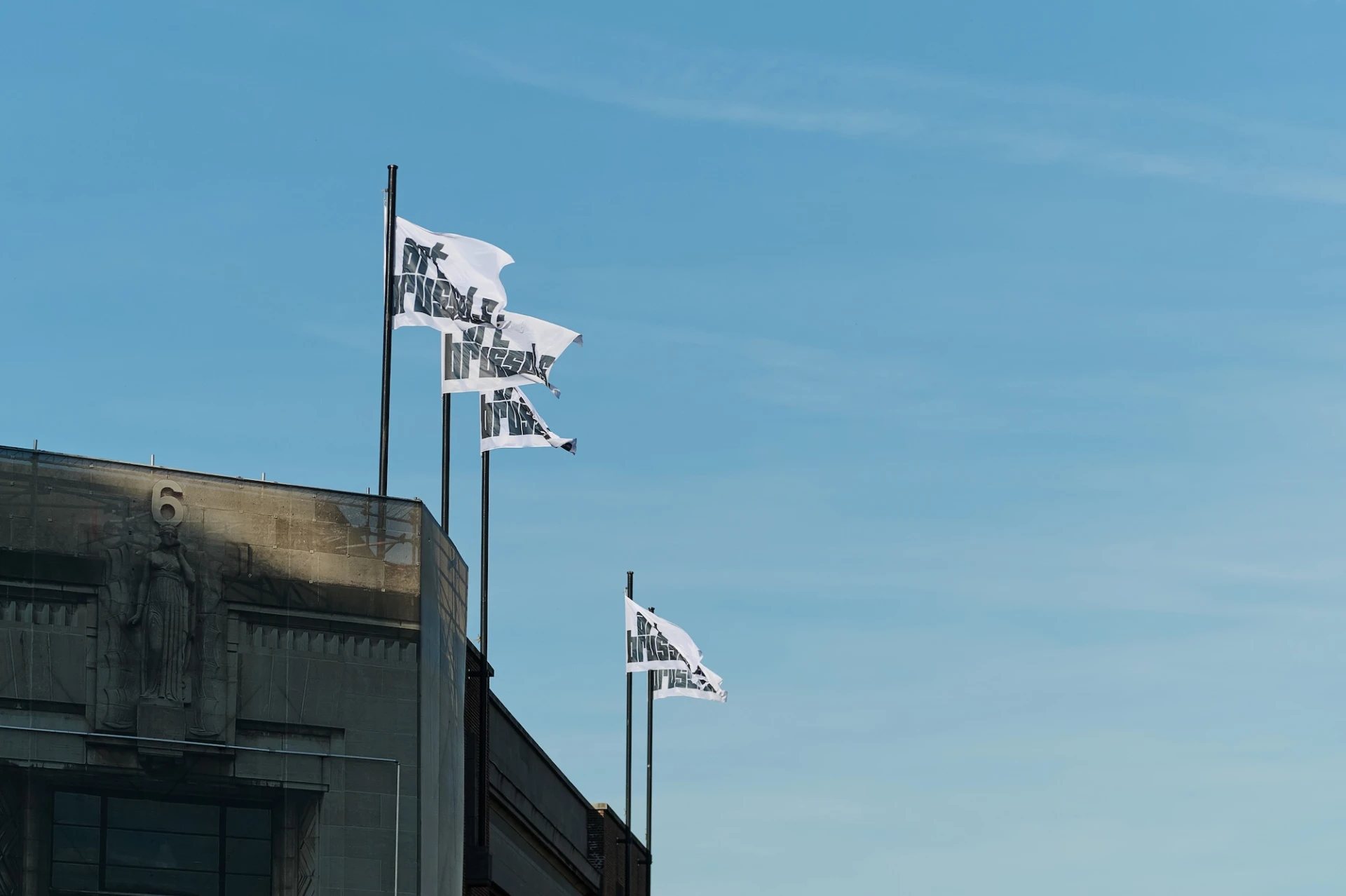
Brief notes on Art Brussels 2026
By Maria Inês Mendes
Next
article
13 May 2026
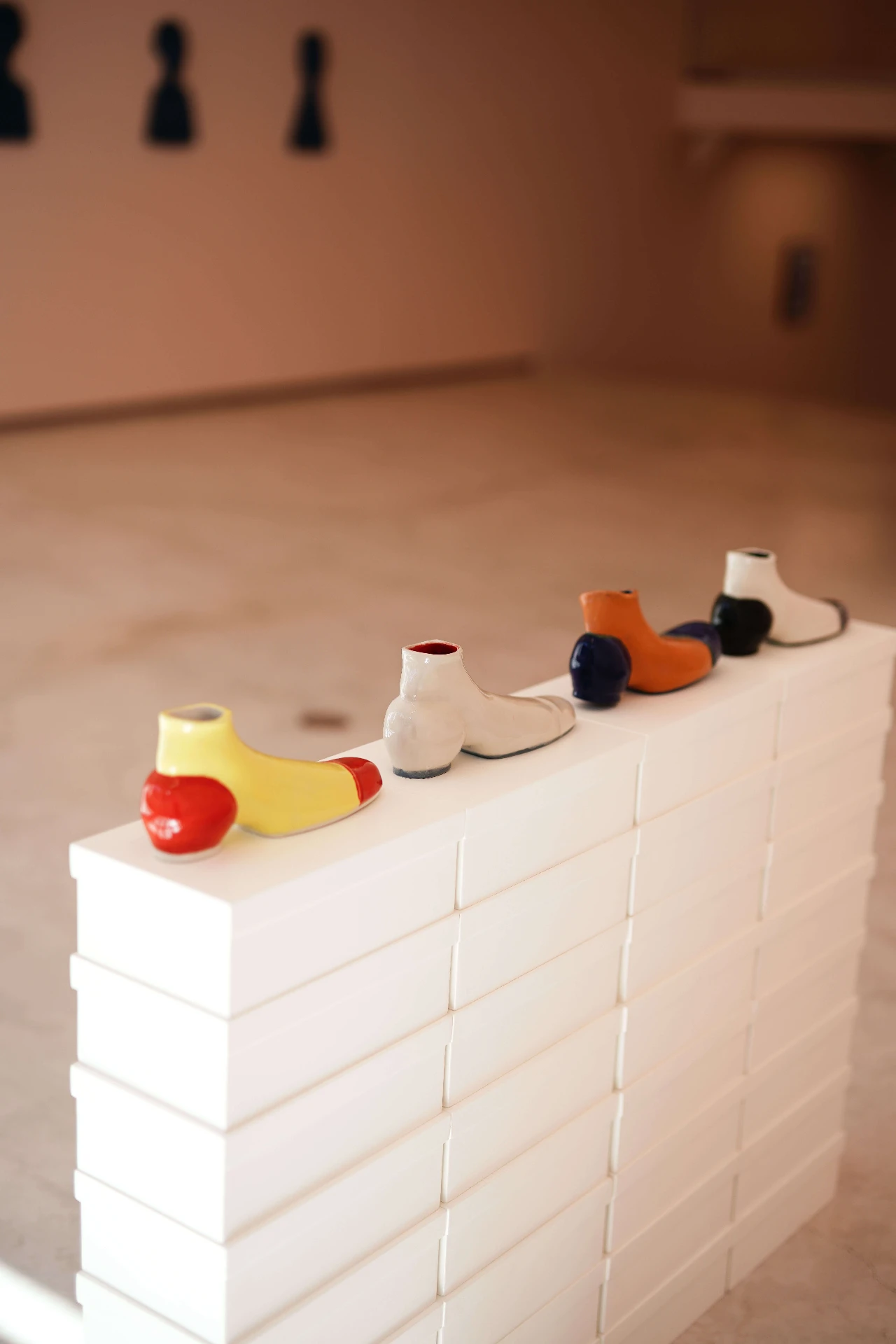
itede, itepe, by Dorota Jurczak, at Rialto6
By Tomás Saraiva
Related Posts
article
25 JUN 2026
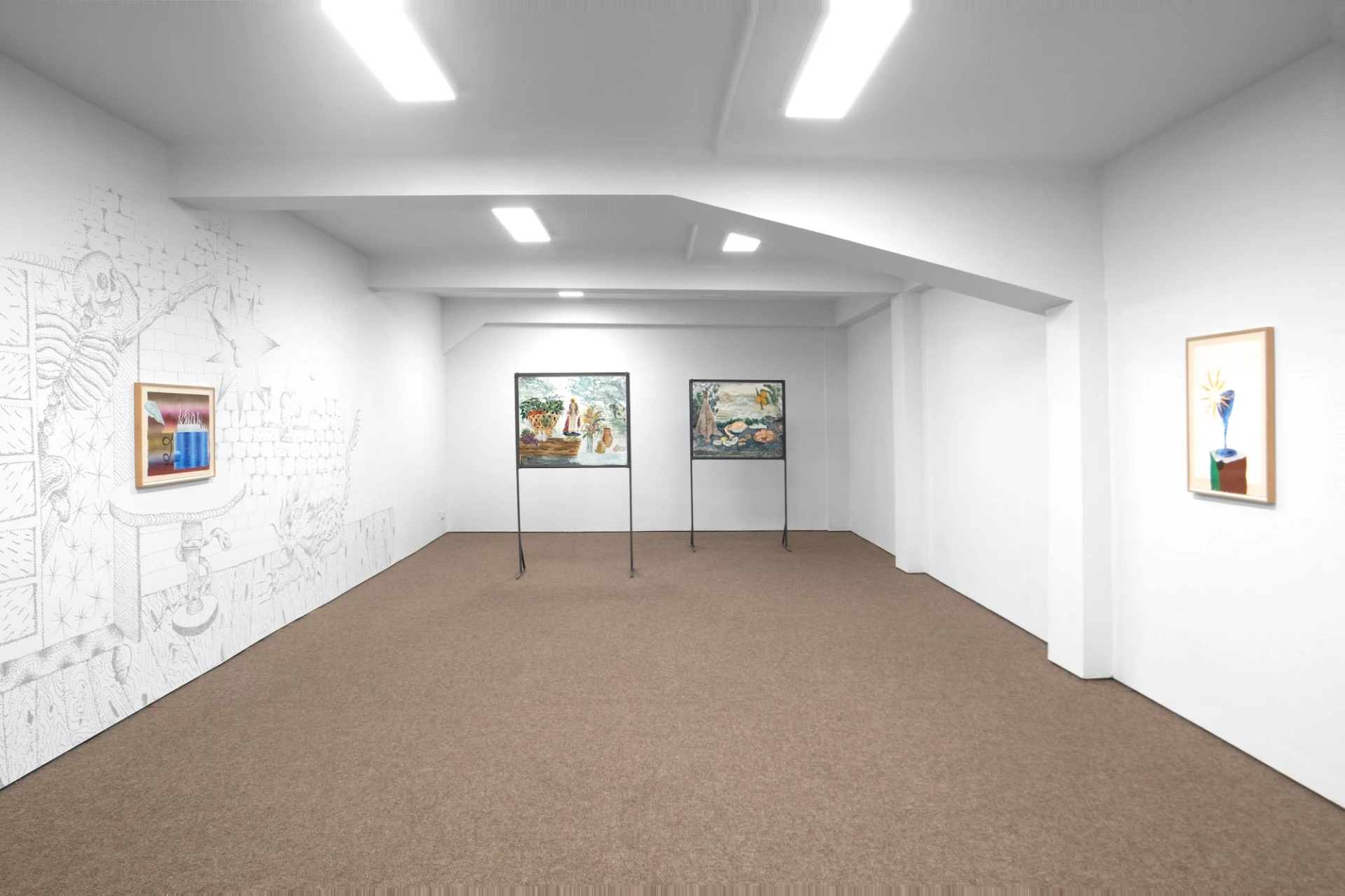
Scrolls, at Buraco: The Two Sides of the Same Coin
By Maria Inês Augusto
article
12 JUN 2026
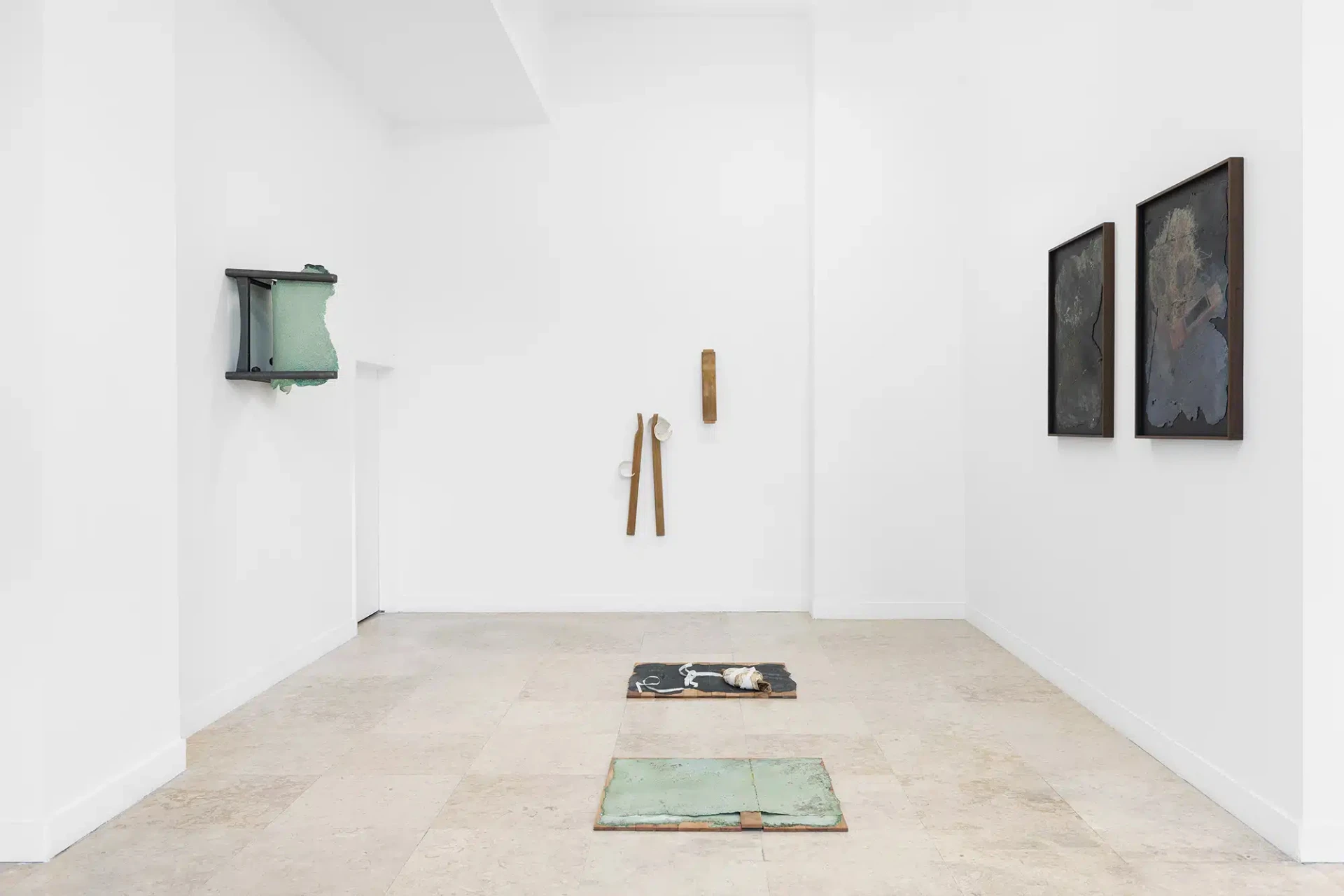
Tabique, by Rita Gaspar Vieira
By Maria Inês Augusto
article
12 MAY 2026
Phantom Tales, by Pedro Zhang
By Maria Inês Augusto
article
10 MAR 2026
Deviation as structure: four decades of painting by Pedro Casqueiro
By Maria Inês Augusto