article
By a thread: Helena Lapas at Monitor
“Helena Lapas’ work reminds us of that feminist revaluation of textile practices that began to take shape in the late 1960s and 70s. Textile-based artists like Sheila Hicks, or Louise Bourgeois expanded the possibilities of fiber beyond the decorative surface, treating thread and fabric as structural materials capable of occupying space. Within this lineage, Lapas’ sculptures continue a shift initiated by these earlier practices: thread is no longer just an ornament but becomes a medium of construction, adding weight, volume and depth; a cocoon, a nest, a shell.”
For centuries, weaving, sewing and embroidery were practices confined to the domestic sphere, learned in kitchens, ateliers and small workshops rather than academies. They used to belong to the continuity of everyday labour: patient, repetitive, often invisible. Only later did artists begin to look again at these gestures and recognize their sculptural potential.
What had been considered minor work, associated with women’s hands and craft, a division that mirrored the gendered division between domestic labour and artistic production, slowly entered the language of contemporary art.
Helena Lapas’ work reminds us of that feminist revaluation of textile practices that began to take shape in the late 1960s and 70s. Textile based artists like Sheila Hicks, or Louise Bourgeois expanded the possibilities of fiber beyond the decorative surface, treating thread and fabric as structural materials capable of occupying space. Within this lineage, Lapas’ sculptures continue a shift initiated by these earlier practices: thread is no longer just an ornament, but becomes a medium of construction, adding weight, volume and depth; a cocoon, a nest, a shell.
Although Helena Lapas studied painting at the Faculty of Fine Arts in Lisbon, paint never became central to her practice. Early on she moved toward textile and mixed material construction. Before her studies in painting, Lapas had already graduated in ceramics from the Escola de Artes Decorativas António Arroio in Lisbon, a background that perhaps explains her sensitivity to volume and material structure. At the Escola Superior de Belas Artes de Lisboa, she became the first student to present a tapestry as her final thesis, marking an early departure from conventional painting.
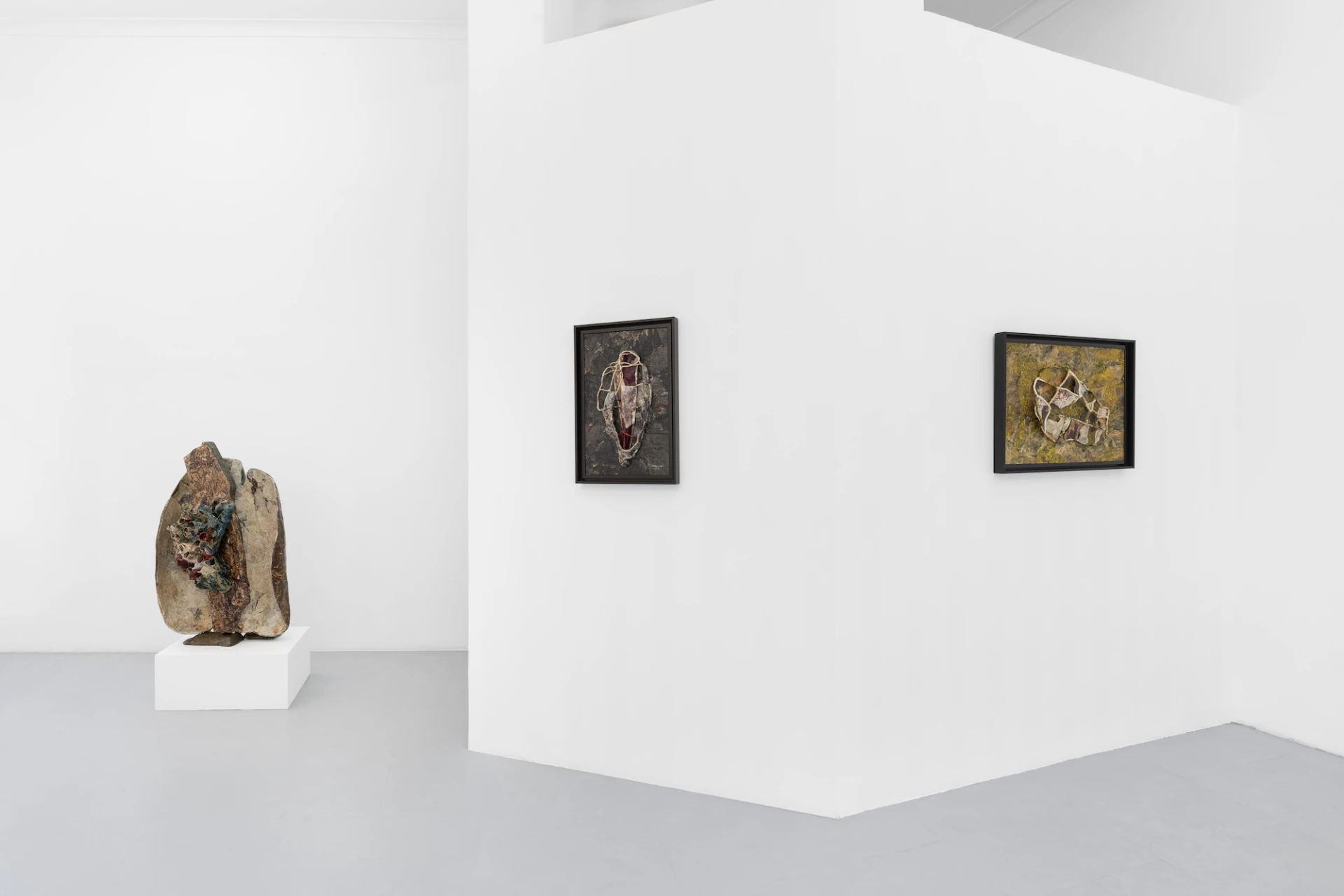
At Monitor, Lapas´ exhibition brings together different works from different moments of her practice. Long before it became sculptural, thread became an environment of making. A thread reworked many times becomes form. Hanging on the wall the material already seems to desire to detach itself from it, moving from the wall to expanding into space.
In the more recent pieces, this movement becomes fully spatial. Rounded volumes emerge, forms that resemble organs, cells, appear to breathe. Several works in the exhibition were developed in collaboration with the artist and researcher David Evans, whose longstanding dialogue with Lapas has contributed to the spatial and structural development of some of the installations.
Throughout her career, Lapas has worked across different material traditions. Her sculptures are composed of mixed media, threads, fibers, textiles and other gathered materials, assembled through processes that resemble collage and accumulation rather than modelling or carving. The tactile density of the works reflects this layered construction, where different fragments are bound together through repetition and compression.
This interest in textile techniques was further deepened in 1971, when Lapas received a British Council scholarship to study tapestry restoration at the Victoria and Albert Museum in London. Later, between 1976 and 1977, a scholarship from the Calouste Gulbenkian Foundation enabled her, together with the artist Fátima Vaz, to conduct research on patchwork traditions in Portugal. These experiences reinforced her engagement with textile as both historical practice and contemporary artistic language.
Alongside her artistic production, Lapas has also been active as an educator. From 1996 until 2023 she taught Costume Construction, a Textile Workshop at the Chapitô in Lisbon, where textile techniques intersect with performance and stage design. Over the decades, her works have entered public and private collections across Portugal and internationally, from Brazil and Angola to Germany, Italy, France, Spain and the United States.
Seen in this context, the works presented at Monitor appear not only as individual sculptures but as assemblages of the media that have marked her artistic trajectory.
Accompanied by essay written by Susana Pomba, the exhibition Da Parede ao Chão, by Helena Lapas, is on view until March 28.
BIOGRAPHY
Dela Christin Miessen is a researcher, writer and editor. She is part of Aberta Studio in Lisbon and the co-founder of Echoes Residency for socially engaged art practices.
ADVERTISING
Previous
article
12 Mar 2026
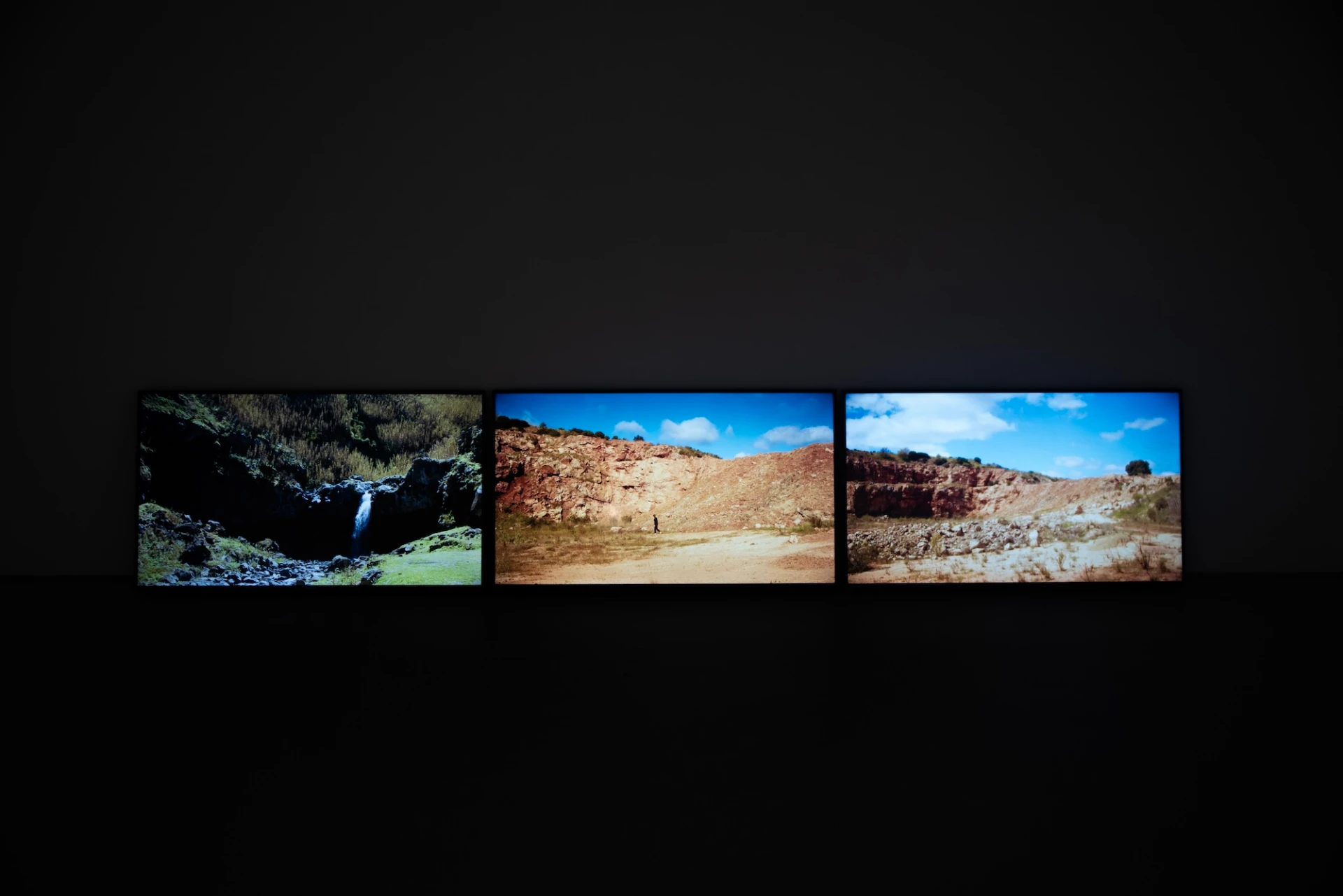
Waterways: 'Geografias da Água', between São Miguel, Loulé and Vila Nova de Cerveira
By Ana Isabel Soares
Next
article
16 Mar 2026
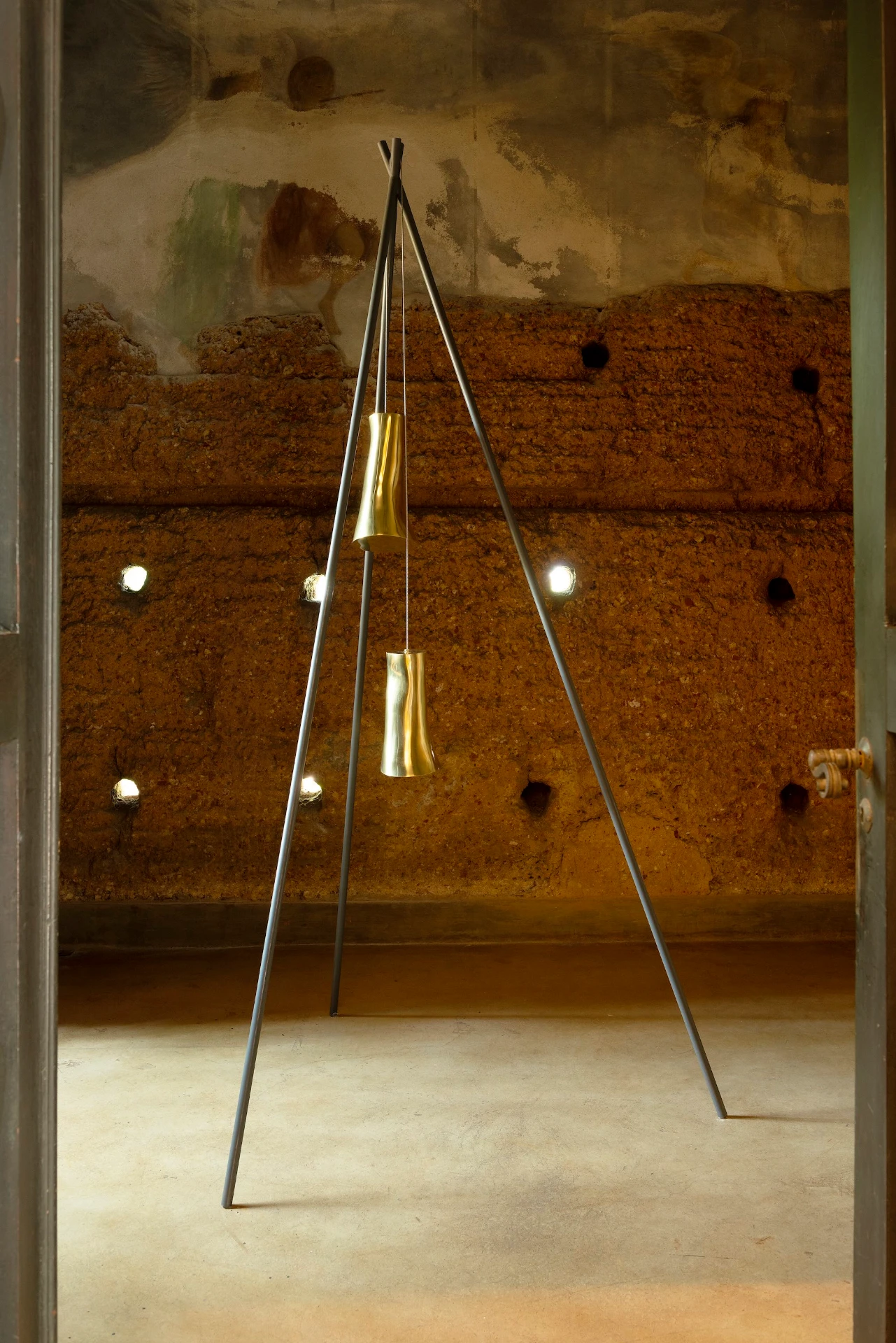
The structure of memory: Cabodá, by Marcia Pastore
By Angélica de Moraes
Related Posts
article
13 MAR 2026
By a thread: Helena Lapas at Monitor
By Dela Christin Miessen
article
11 MAR 2026
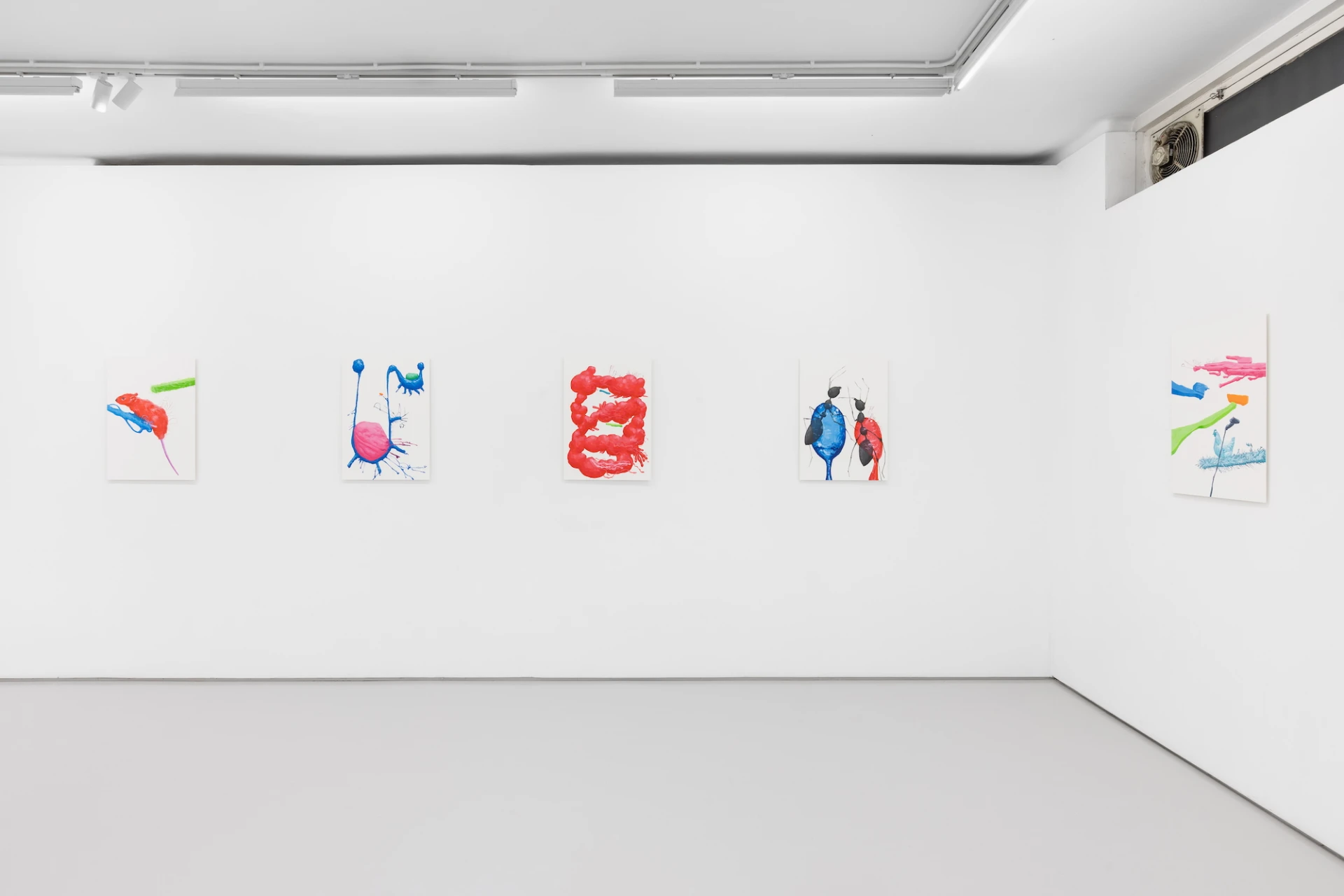
António Olaio at the NO·NO Gallery: On (not) Falling
By Dela Christin Miessen
article
23 DEC 2025
O céu, sol, chuva, chuva, chuva: Luísa Correia Pereira at the Panteão Nacional
By Dela Christin Miessen
article
10 NOV 2025
Nem pena nem paixão: Paulo Serra at Salto
By Dela Christin Miessen