article
Sopro Luminar - Obras da Colecção dos Encontros de Fotografia
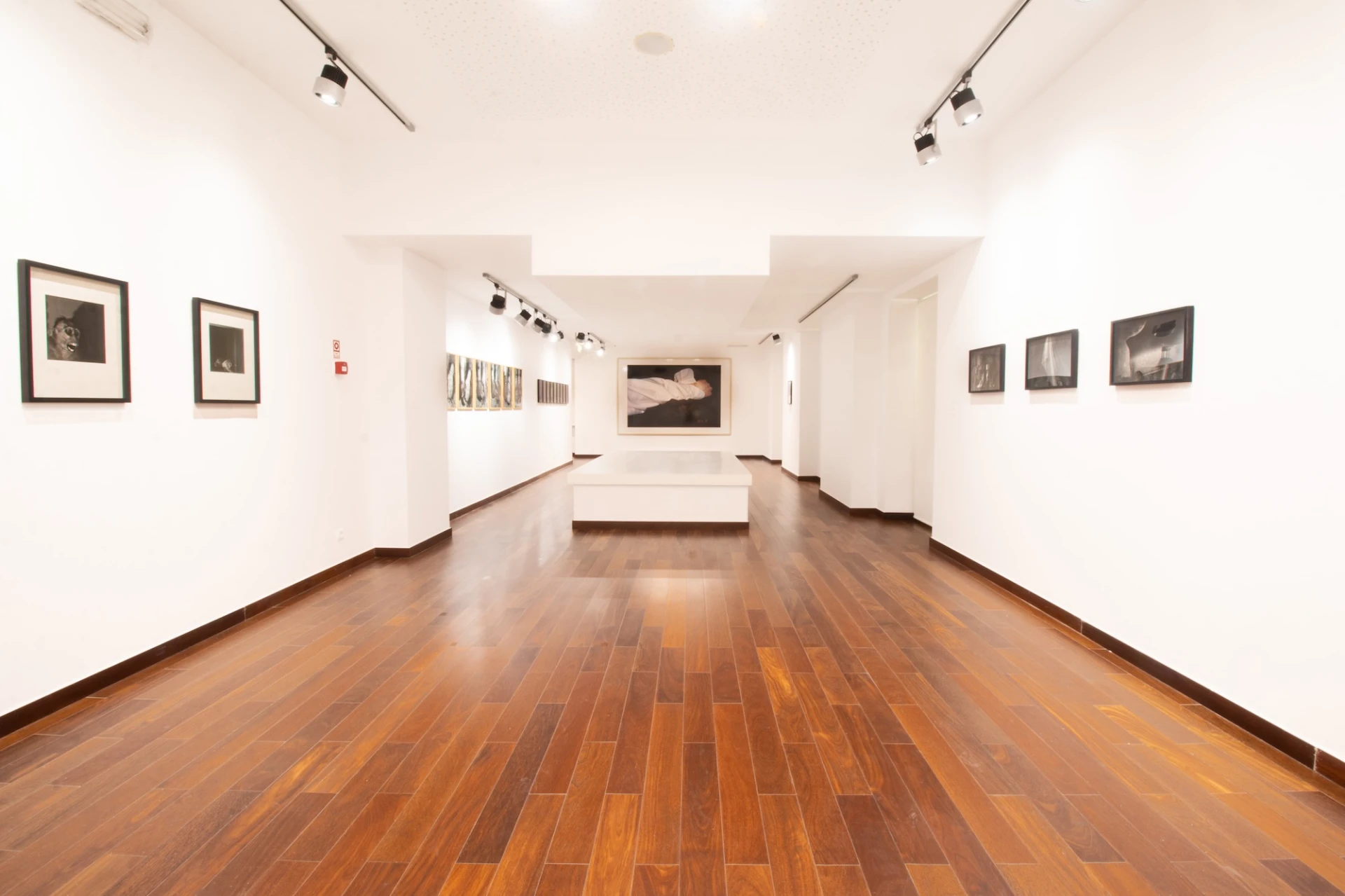
“The Photography Encounters are a historic hub of contemporary art in Portugal. Created in the 1980s, they played a decisive role in bringing the country closer to the international contemporary photography circuit. The CAV — Centro de Artes Visuais — itself was born out of this project. Sopro Luminar (Luminous Breath) presents a selection from the photography collection built up over more than forty years, revealing the diversity of approaches, languages, and positions that run through it.”
Starting from light and its decisive importance in Western painting, but also from the fundamental role that this element plays in photography, an opposition is established to the mechanical gesture, to the electronic and automatic action that supposedly brings photography closer to an idea of autonomy in relation to the gestural agent that triggers it, offering a systemic framing for the concept of authorship.
Photography exists in the inevitable adulteration of world colours, whether through the mutual escape between image and what it represents, or in the assumption of black and white as a symptom of materialised memory, as Miguel von Hafe Pérez, curator of the exhibition, leads us to understand in the exhibition leaflet. This artistic discipline naturally disrupts the narrative of the world in its untouchable dimension. It is, above all, a decision.
Light is no longer limited to the technical condition of the image and becomes a structural agent in the visual organization of the world—it shapes, hides, cuts out, and hierarchizes, making visible what would otherwise remain undifferentiated. In many of the works gathered here, it is through the management of light that atmospheres of suspension, distance, or proximity are constructed, reinforcing the ambiguity between observation and involvement, between presence and distance. It is an authorial intention of the world that gravitates between different documentary levels. On the edge of reality, these images cause authorship to become fragile and levitate between the intentional and the subjective, between structured thought, social and aesthetic context, and the intensity with which these images anchor themselves in the world. In the exhibition venue, photography also depends on its intersticiality in the process of image-making, whether in the exhibition space or in its capacity for resonance. In this way, the still image ceases to be so immediately, or at least at the moment when the gaze and what it carries inadvertently arise—fields of tension are generated between author and audience.
Between staging and the seemingly casual recording of reality lies a latent attempt to capture the fleeting simple present. There is a slight suggestion of narrative throughout the exhibition, which begins with urban and geographical recording, becoming geological, moving towards the inscription of the body, which is also revealed, in some works, as topography, and in others, as gesture and action, like a certain sociological revelation. The idea of landscape is also expanded into the field of music through Albano Silva Pereira's installation, which incorporates Bob Dylan's song Love Sick.
The Photography Encounters are a historic hub of contemporary art in Portugal. Created in the 1980s, they played a decisive role in bringing the country closer to the international contemporary photography circuit. The CAV — Centro de Artes Visuais — itself was born out of this project. Sopro Luminar (Luminous Breath) presents a selection from the photography collection built up over more than forty years, revealing the diversity of approaches, languages, and positions that run through it.
With works by Albano Silva Pereira, António Júlio Duarte, André Cepeda, André Príncipe, Bernard Plossu, Cristina Garcia Rodero, Daniel Blaufuks, Daniel Malhão, Dieter Appelt, Duarte Belo, Edgar Martins, Frédéric Bellay, Gabriel Basílico, Inês Gonçalves, Jorge Molder, José Manuel Rodrigues, José Pedro Cortes, Julião Sarmento, Marianne Müller, Paulo Catrica, and Paulo Nozolino. Sopro Luminar is a co-production between CAV and VNBM, under the RPAC support programme promoted by the Directorate-General for the Arts, with the support of the Municipality of Viseu. The exhibition can be visited at Quinta da Cruz — Viseu Contemporary Art Center until February 21st.
ADVERTISING
Previous
article
22 Jan 2026
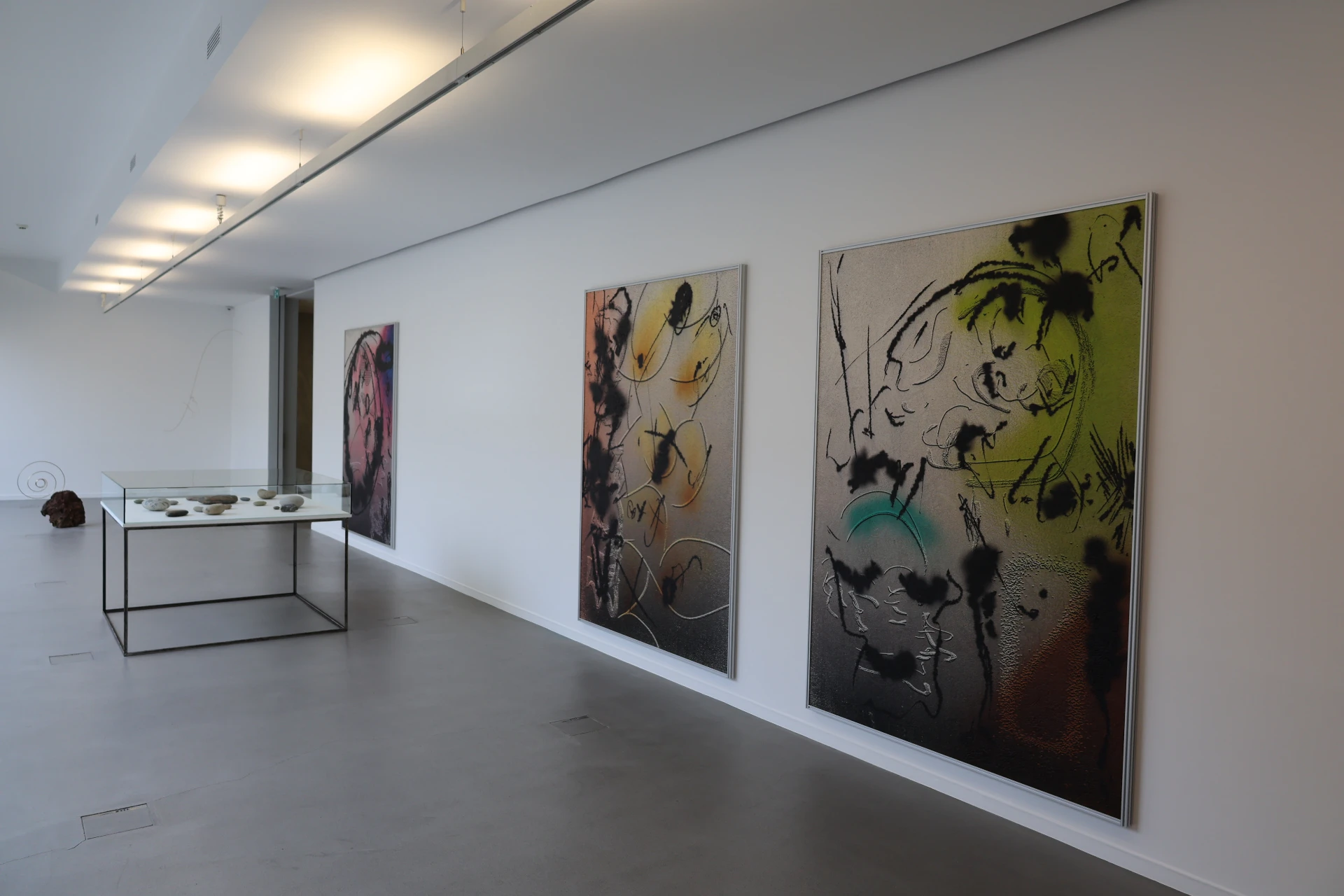
Ecos Geológicos, at the Neo-Realism Museum in Vila Franca de Xira
By João Pedro Soares
Next
article
22 Jan 2026
Portuguese Experimental Cinema: The Artist’s Cinema
By Maria Inês Mendes
Related Posts
article
22 JAN 2026
Sopro Luminar - Obras da Colecção dos Encontros de Fotografia
By Daniel Madeira
article
27 NOV 2025
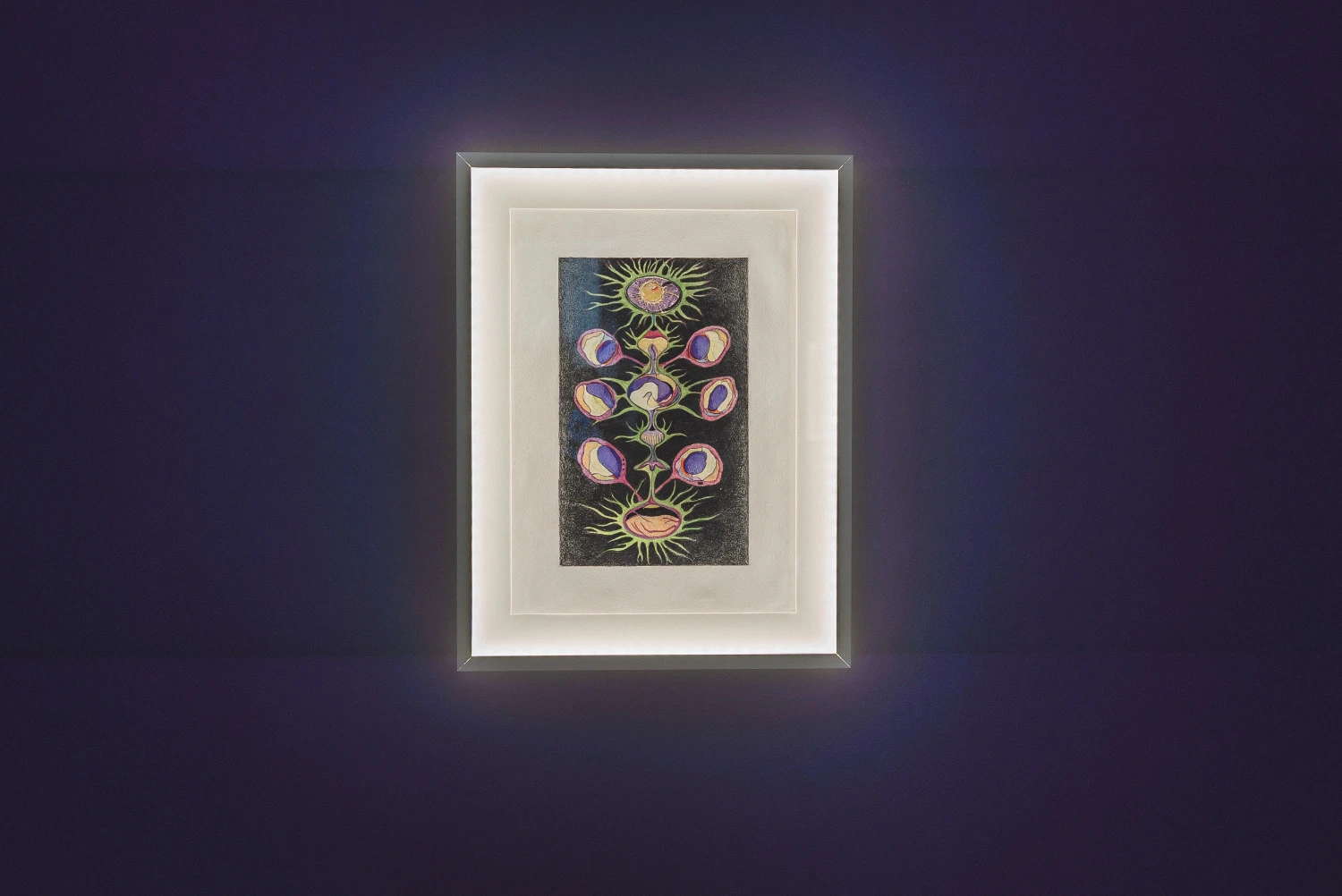
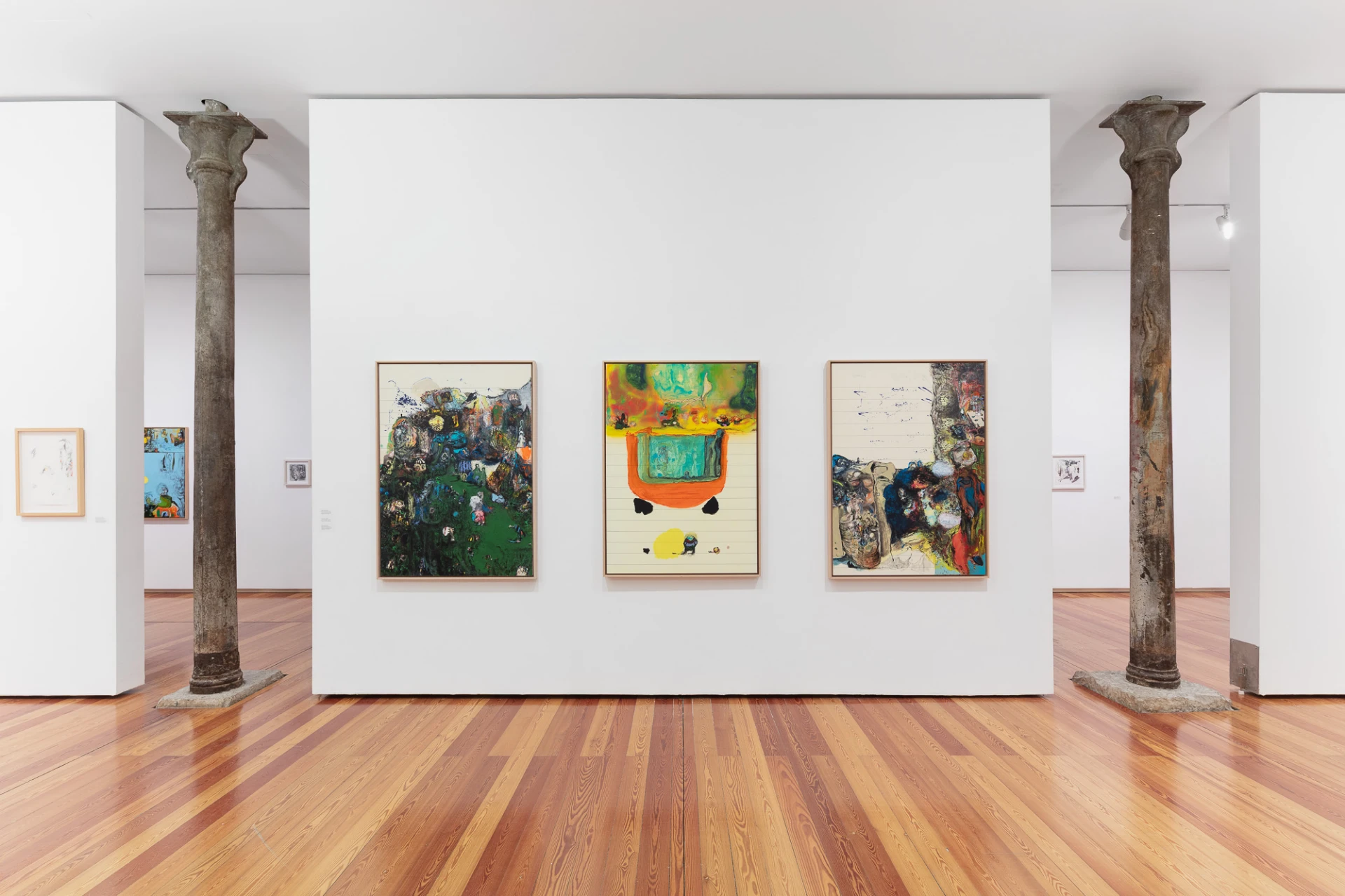
About Cynara Complex: Diana Policarpo at VNBM Arte Contemporânea
By Daniel Madeira
article
24 NOV 2025
About "Intruso no Labirinto" by Jorge Queiroz, and "Pele de Barro" by Flávia Vieira
By Daniel Madeira
article
16 OCT 2025
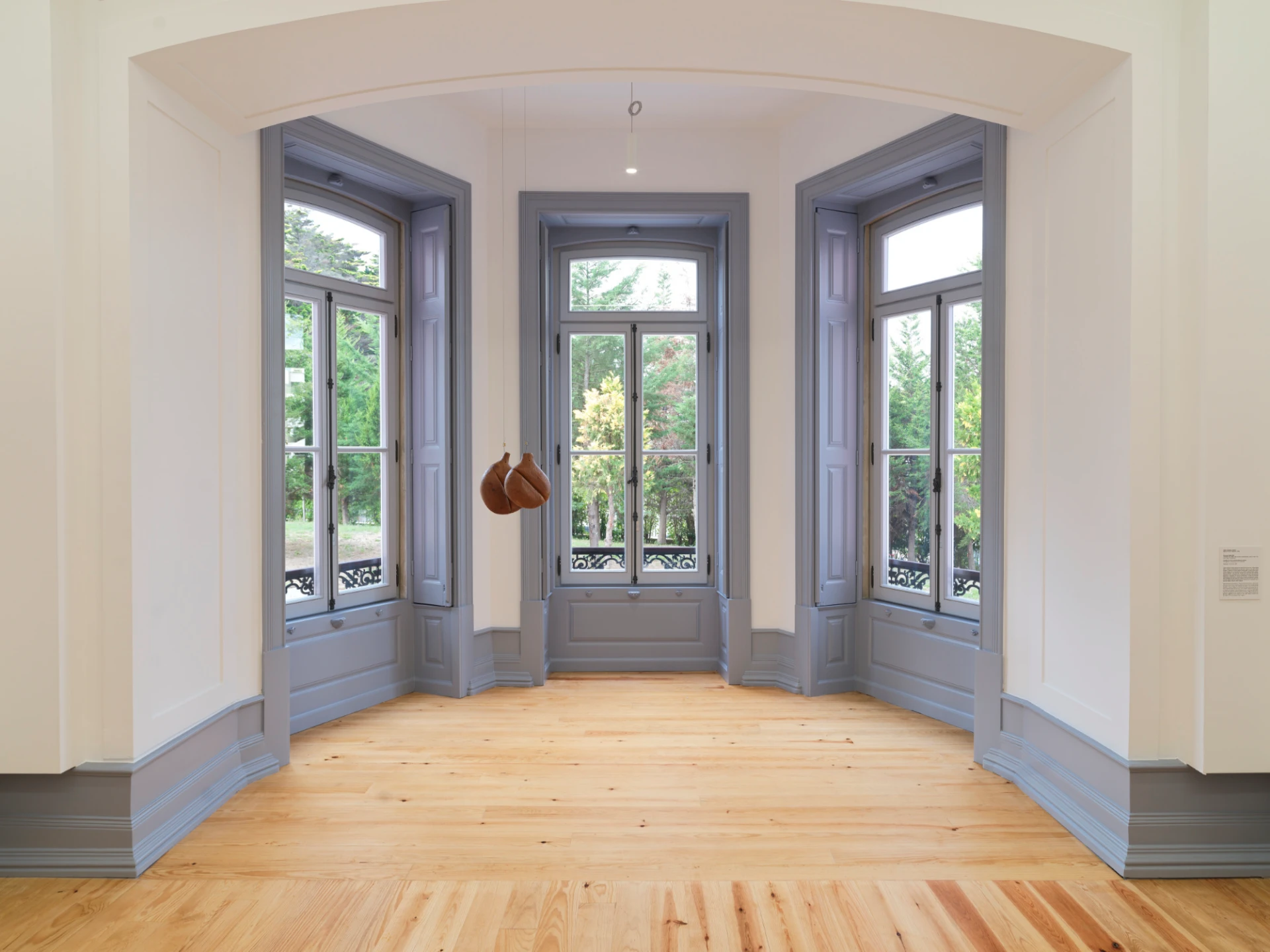
About Sonho Manifesto! Em Leiria, todas as árvores são pinheiros
By Daniel Madeira