article
Terra Poética: Ana Maria Maiolino at MAAT
“The exhibition is built upon the repetition of gesture and the transformation of matter. It is from this point that manual work gains prominence: the rolling, accumulating, and molding of clay prolongs everyday gestures linked to the domestic sphere, especially to food preparation. These movements, historically associated with women's work and frequently undervalued, are here displaced and amplified, moving from the private space to the monumentality of sculpture."
Ana Maria Maiolino (1942) is a Brazilian artist, born in Italy, whose practice develops from the experience of migration, the political contexts of 20th-century Latin America, and an ongoing investigation into body, language, and materiality. She settled in Brazil in the early 1960s, where she joined movements linked to New Figuration and experimental practices that emerged during the Brazilian military dictatorship. Her trajectory crosses drawing, printmaking, photography, performance, and sculpture, privileging the continuity between gesture and repetition.
The exhibition Terra Poética, currently on display at MAAT, encapsulates a body of work produced between 1975 and 2025, focusing on its sculptural aspect and the materiality of clay. The exhibition begins with the photograph Por um fio (1976), a black and white image showing three women of different generations linked by a thread that comes out of each of their mouths. The artist places herself in the center, between her mother and daughter, and this alignment generates a visual structure that makes visible the continuity of her family history. The thread functions as a physical extension that materially unites the ancestry of the three women, but also hints at one of the main forms that we will see later in her sculptures: the cylinder.
Starting from this image, the journey through the Oval Gallery begins along the ramp that descends to the lower floor, where wall works are exhibited that immerse us in the artist's creative process. In the series Tempestade de Ideias produced between 1990 and 2025, drawing appears as a field of thought. In it, we witness the importance of the graphic gesture as a record of ideas and imagination, where sketches of loose and free lines seem to function as essential elements for fixing the possible paths of sculpture.
Upon reaching the lower floor, the exhibition clearly shifts towards sculpture, opening up a wider area where circulation occurs around the pieces. The space becomes less linear, more free, and this change coincides with the transition from paper to clay. In one of the initial sections, small sculptures expose internal cavities, as if the material had been excavated from within. They are compact forms traversed by voids and negative spaces that create the sensation that parts have been partially removed. The materiality of the works brings them closer to archaeological objects through their density, shapes, and textures, as if they were relics from another time.
The collection of larger-scale sculptures dominates the entire gallery. The raw clay was molded in the exhibition space itself over time, and its forms result from a process shared between the artist, members of her team, and local ceramists. Because they were produced at different times, the clay displays various shades—from damp brown to lighter tones—and textures that arise from its dehydration. The material undergoes slow transformations that alter its color, texture, and consistency, and in some cases, the forms visually resemble stone, as if the sculpture were returning to a geological state. This process expands the temporality of the work, moving it away from the category of a static object and closer to an ongoing event, a process that extends over time. Towards the end of the exhibition, it is anticipated that the sculptures will completely change their appearance, approaching lighter and drier tones, and that their surface will develop small cracks.
One aspect to be highlighted, and the most recurrent in the pieces, is the cylindrical shapes that the clay acquires from the gesture of "rolling." The sculptures are composed through the accumulation of these cylinders, evoking movements that occur around the act of cooking, specifically the preparation of dough. Each work results from the insistence on a particular gesture, producing a series of accumulations that address repetition, daily life, and work. The importance of the manual gesture is equally noted in the traces that the fingers left in several pieces, where the very anatomy of the hand is used to mold the clay.
When the exhibition ends, the larger clay sculptures are destined to disappear, being returned to the ceramics studio that supplied the material. It is a final gesture that does not enclose the work within the museum's permanent space, but rather maintains a condition of return, bringing the work closer to the natural cycles of transformation and dissolution.
The exhibition is built upon the repetition of gesture and the transformation of matter. The dimension of repetition is reinforced by the artist's statement, "You go to infinity doing the same thing,"1 which points to the continuity of gesture as a form of knowledge. It is from this point that manual work gains prominence: the rolling, accumulating, and molding of clay prolongs everyday gestures linked to the domestic sphere, especially to food preparation. These movements, historically associated with women's work and frequently undervalued, are here displaced and amplified, moving from the private space to the monumentality of sculpture. It is almost a continuation of family practices: the gesture is maintained, but in a different regime. And with this displacement, Ana Maria Maiolino makes visible the repetition of feminine gestures, affirming them as a structure where knowledge and the body become the very matter of the work.
The exhibition is on display at MAAT until August 31, 2026.
1 Words from the artist Ana Maria Maiolino during the press visit on March 23, 2026.
BIOGRAPHY
Laurinda Branquinho (Portimão, 1996) has a degree in Multimedia Art - Audiovisuals from the Faculty of Fine Arts of Universidade de Lisboa. She did an internship in the Lisbon Municipal Archive Video Library, where she collaborated with the project TRAÇA in the digitization of family videos in film format. She recently finished her postgraduate degree in Art Curatorship at NOVA/FCSH, where she was part of the collective of curators responsible for the exhibition “Na margem da paisagem vem o mundo” and began collaborating with the Umbigo magazine.
ADVERTISING
Previous
article
22 May 2026
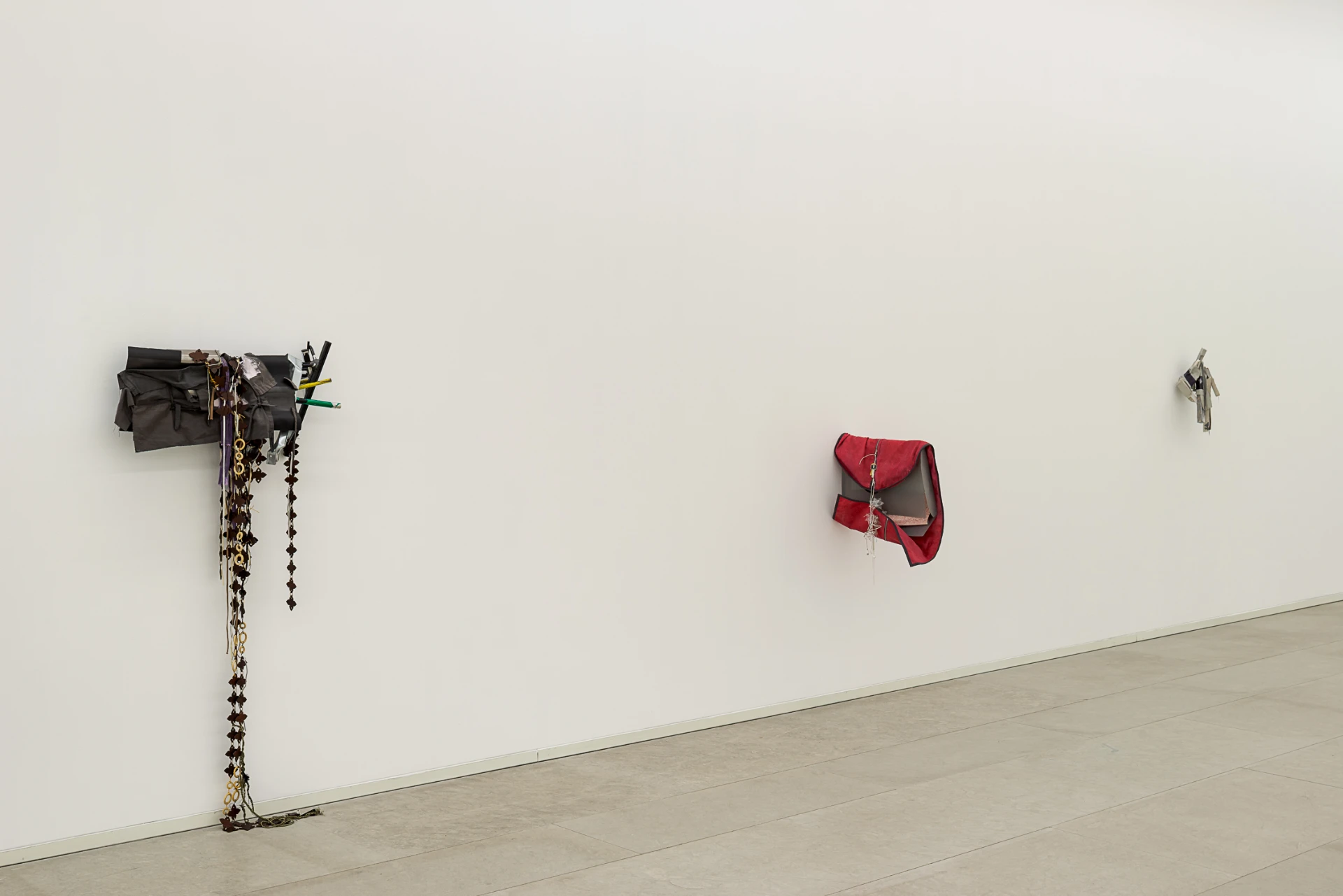
New exhibition cycle at CIAJG
By Mafalda Teixeira
Next
article

29 May 2026
Ateliê – Art&Law: Patronage and Culture in Portugal
By Patrícia Dias Mendes
Related Posts
article
11 AUG 2026
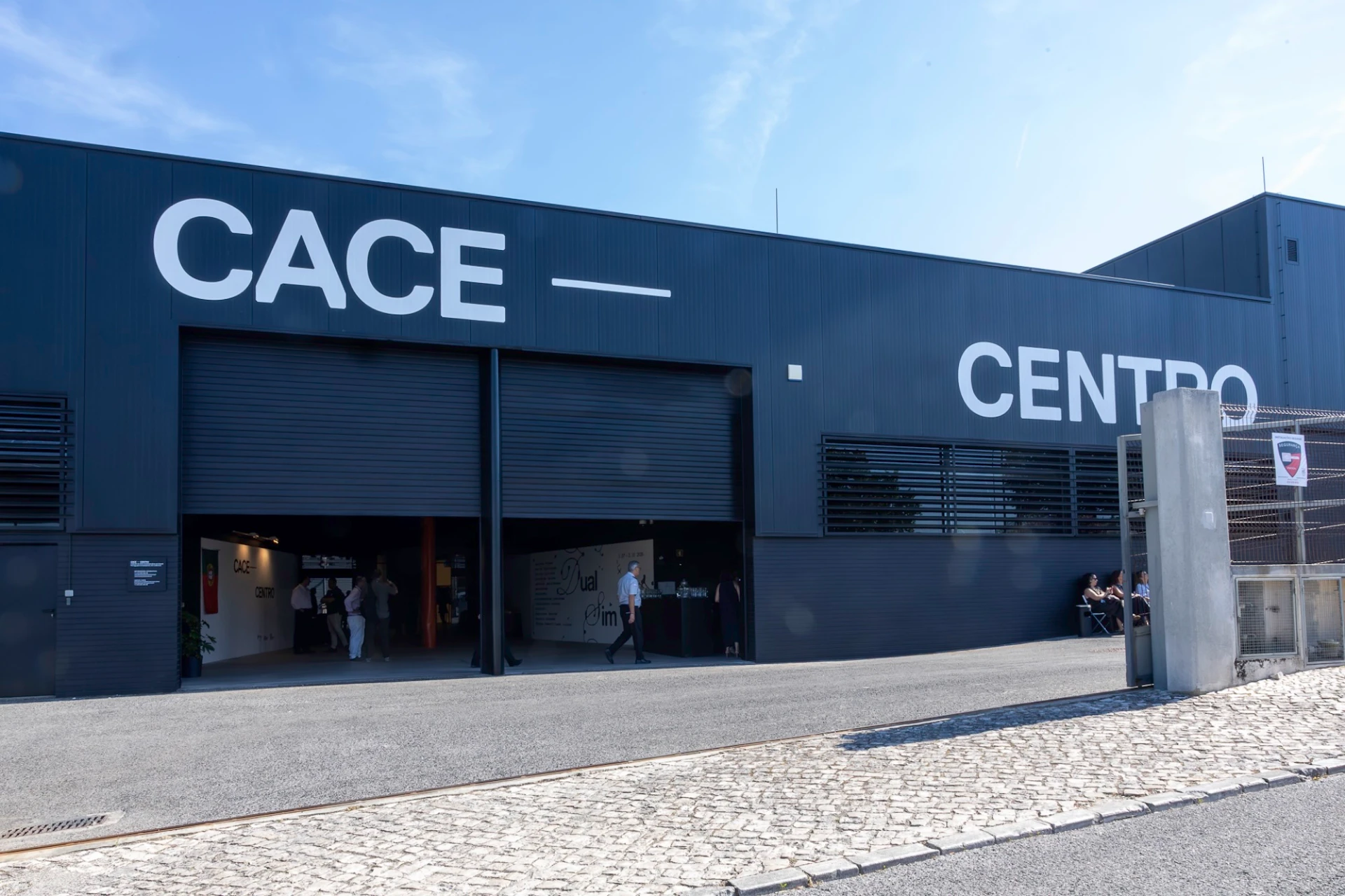
Dual Sim at CACE-CENTRO: what a collection produces
By Laurinda Branquinho
article
24 JUN 2026
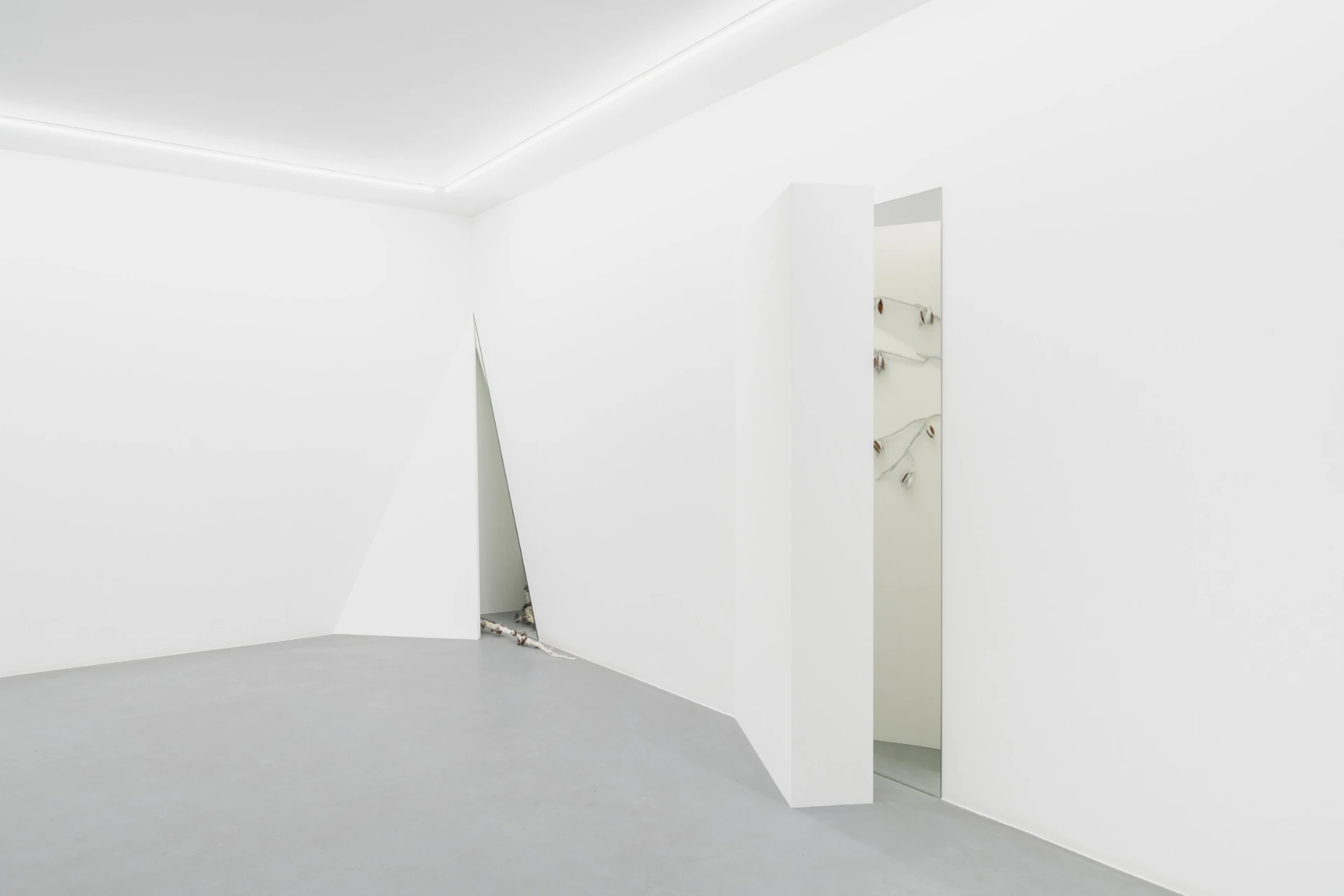
Retirar a gravidade à queda, by Carolina Serrano
By Laurinda Branquinho
article
25 MAY 2026
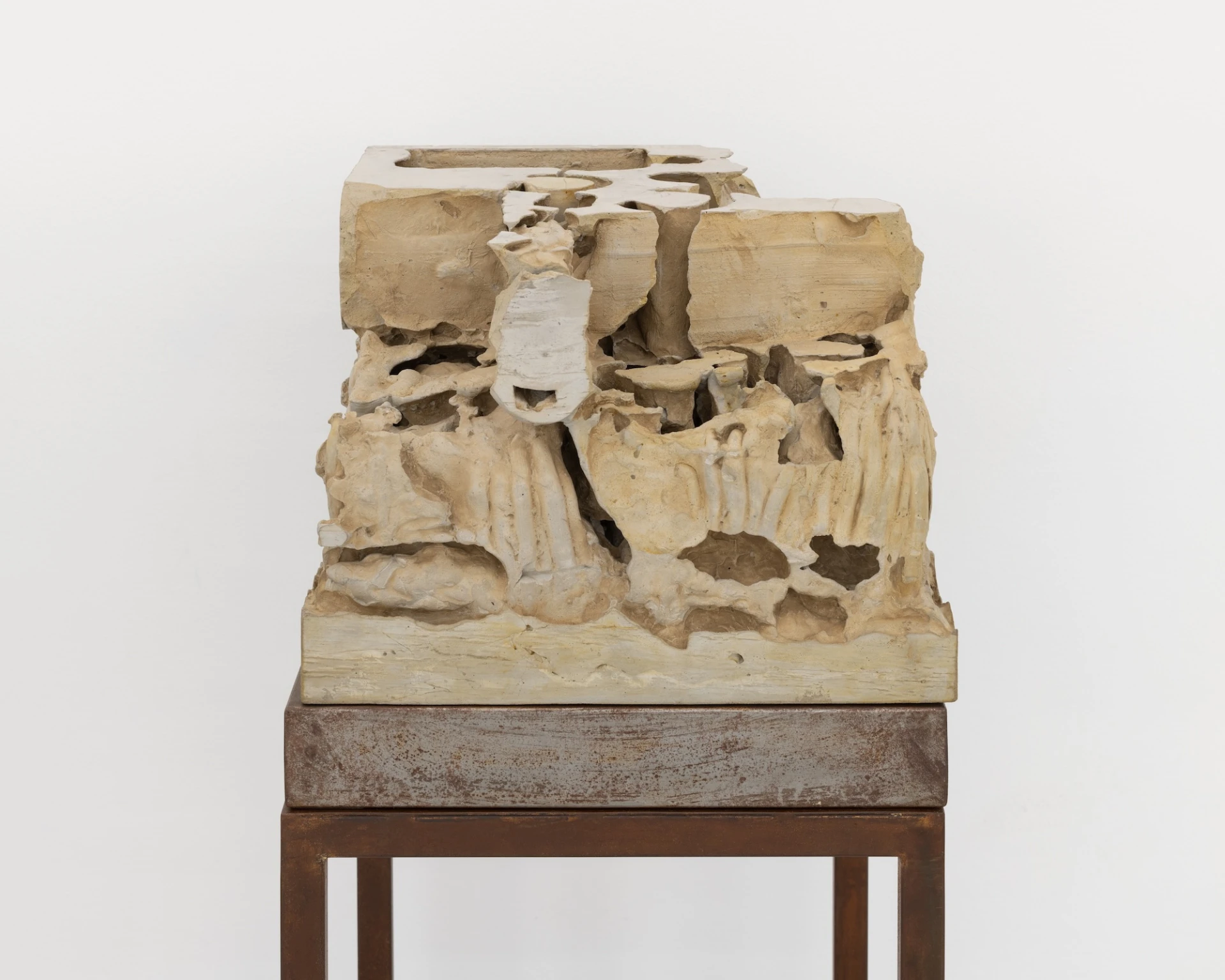
Terra Poética: Ana Maria Maiolino at MAAT
By Laurinda Branquinho
article
20 APR 2026
Interview with João Marques, author of the Umbigo.space cover
By Laurinda Branquinho