article
La Chantin, by Cisco Merel: the shell we are
“Cisco Merel’s works embody a form of living architecture, not fixed constructions, but ongoing processes. The structures are conceived to be activated by the public, continually reconfigured, transforming home into something fluid, something that emerges through experience rather than remaining static.”
I have always considered the snail an extraordinary animal, not because of the way it looks or its contemplative slowness, but because of how it constructs its home: unlike animals such as hermit crabs, which inhabit pre-existing “houses”, the snail produces its own shelter. The shell grows progressively, turn after turn, through the deposition of calcium carbonate: a continuous, organic process that unfolds alongside the animal’s life. Its shape is not arbitrary, but the result of structural efficiency, minimizing stress while maximizing protection with minimal material. However, what fascinates me most is that the shell is not separate from the snail’s body, but an integral part of it, a home that one is, and always carries with oneself.
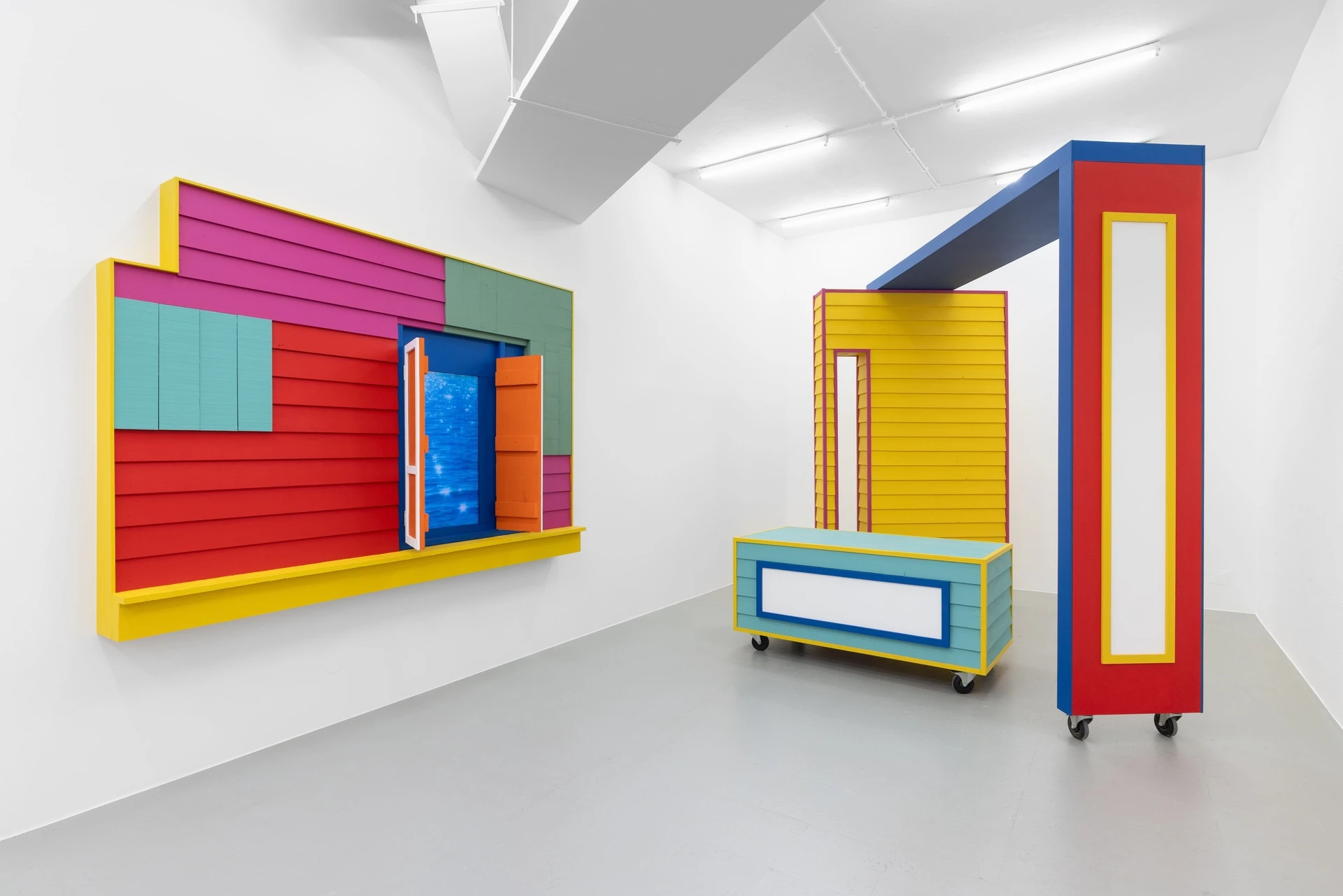
While visiting Cisco Merel (1981, Panama City, Panama)’s exhibition, which opened on March 18 at the Kunsthalle Lissabon, I found myself drifting into this short meditation on the snail, my own private encyclopedic digression. Upon descending into the space, one encounters a series of structures that materialise fragments of houses: assembled and mobile elements, mounted on wheels or designed to open like gates, rendered in vivid, striking colors. The exhibition is titled La Chantin, a term used in Panama to refer to one’s home, whose origins trace back to the houses built by Afro-Antillean communities during the construction of the Panama Canal. These habitations were lightweight, usually made of wood, and conceived to be dismantled, transported, and rebuilt elsewhere, an expression of necessity, but also of resilience.
Like the snail’s shell, these houses can be understood as organisms in continuous evolution: they grow and transform, adapting to the needs of those who inhabit them. Similarly, Cisco Merel’s works embody a form of living architecture, not fixed constructions, but ongoing processes. The structures are conceived to be activated by the public, continually reconfigured, transforming home into something fluid, something that emerges through experience rather than remaining static. Within Merel’s structures, one also finds small souvenirs, domestic relics that evoke the artist’s Sino-Panamanian personal and cultural memory, further intensifying the sense of home within the space. Alongside them, a video depicting the ocean appears almost like an inverted window: the sea exists within the house rather than beyond it, as though it were embedded into the domestic environment itself, another small marine memory held within. These architectural forms thus become extensions of identity: not mere containers, but continuations of being, much like the snail’s shell, an integral part of the body itself.
Yet the identity of the Afro-Antillean houses, like Merel’s structures, is both resilient and unstable. It feels exquisitely contemporary, reflecting on migration, displacement, and adaptation, as well as on present conditions shaped by climate change, the housing crisis affecting major world capitals, and ongoing global conflicts that will eventually reshape next year’s geopolitical configurations. The exhibition inevitably urges us to reconsider what “home” means, what we carry within it and within ourselves. And here we return to the snail, to its ever-evolving home, carried along with its history. Perhaps, today, home is a kind of invisible, portable shell, within which one’s story resides, along with the network of personal bonds that connect us all. Perhaps home is not something we inhabit; it is something intangible, something we are.
BIOGRAPHY
Orsola Vannocci Bonsi is a cultural producer and advisor who has called Lisbon home for eight years. Through her work, she fosters connections through her research and the projects she helps bring to life. With experience as a sales director and gallery manager in various Portuguese art galleries, she was also project manager and artistic director of FEA Lisboa, founded the curatorial collective Da Luz Collective, and contributed to the programming of festivals in Italy and Portugal.
ADVERTISING
Previous
agenda
14 May 2026
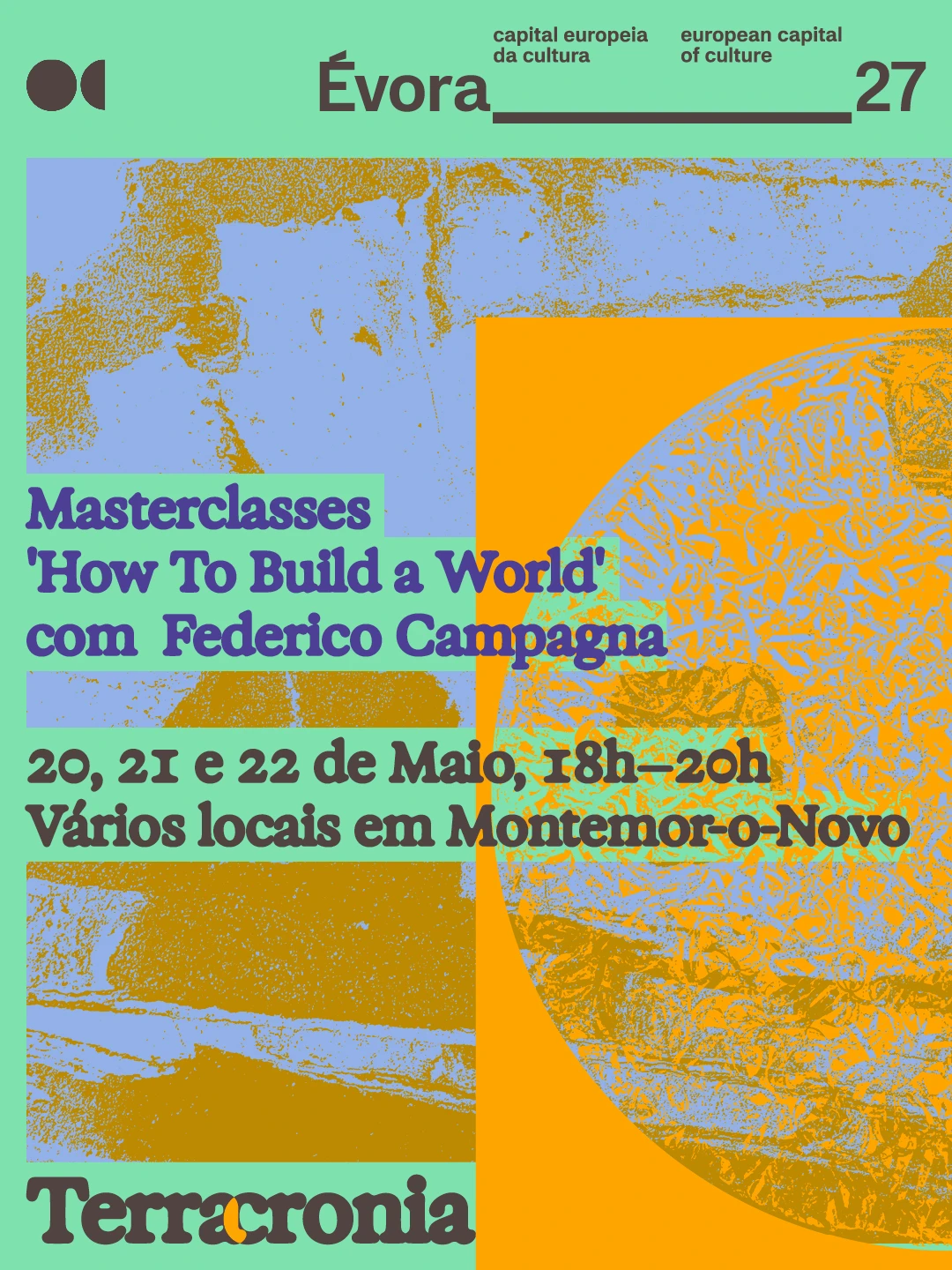
TERRACRONIA - How To Build a World: Masterclass with Federico Campagna in Montemor-o-Novo
By Umbigo
Next
article
15 May 2026
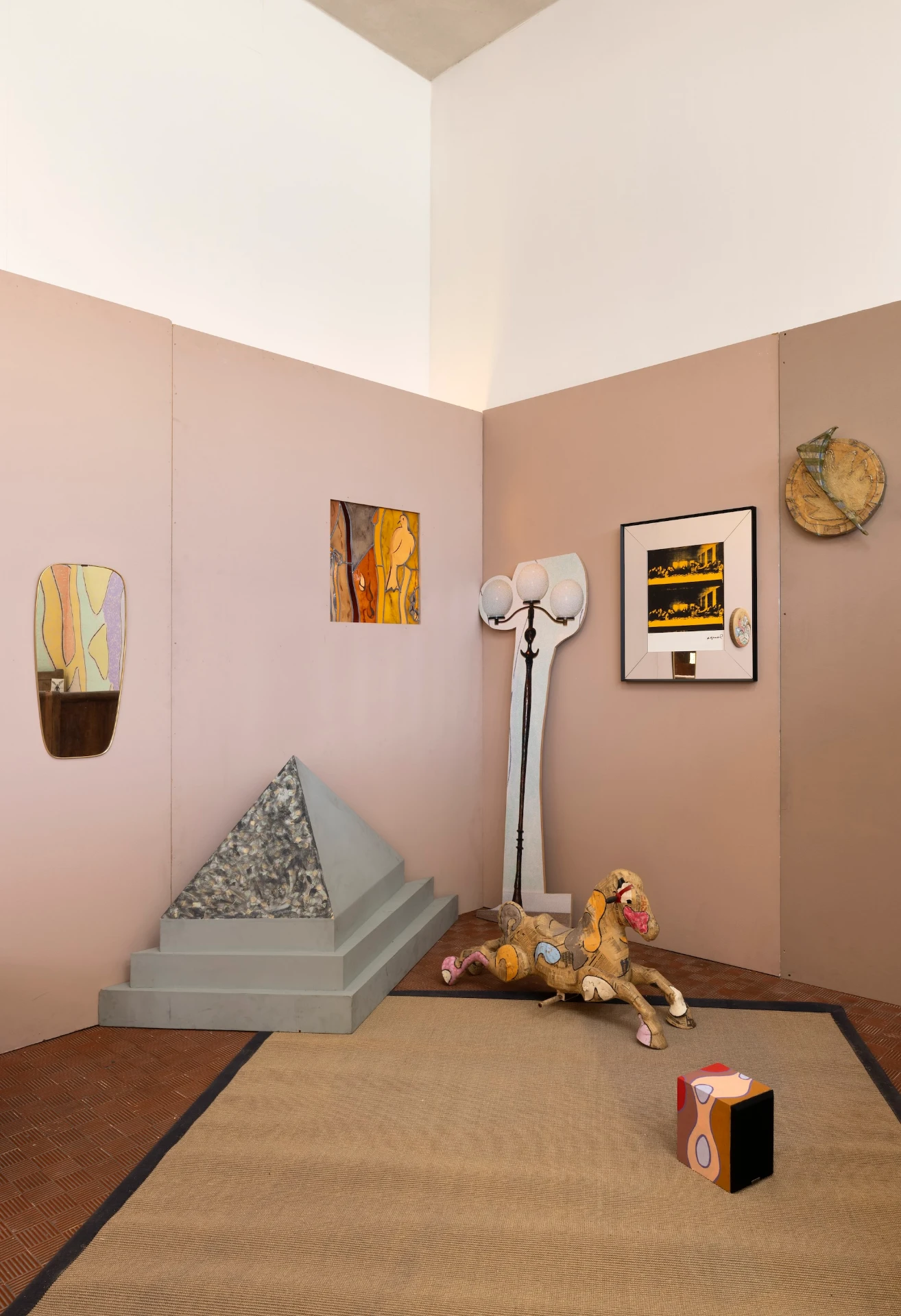
Writing the Crystalline Field of Collectivity: The Second Shadow at ICA Milano
By Josseline Black
Related Posts
article
21 SEP 2026
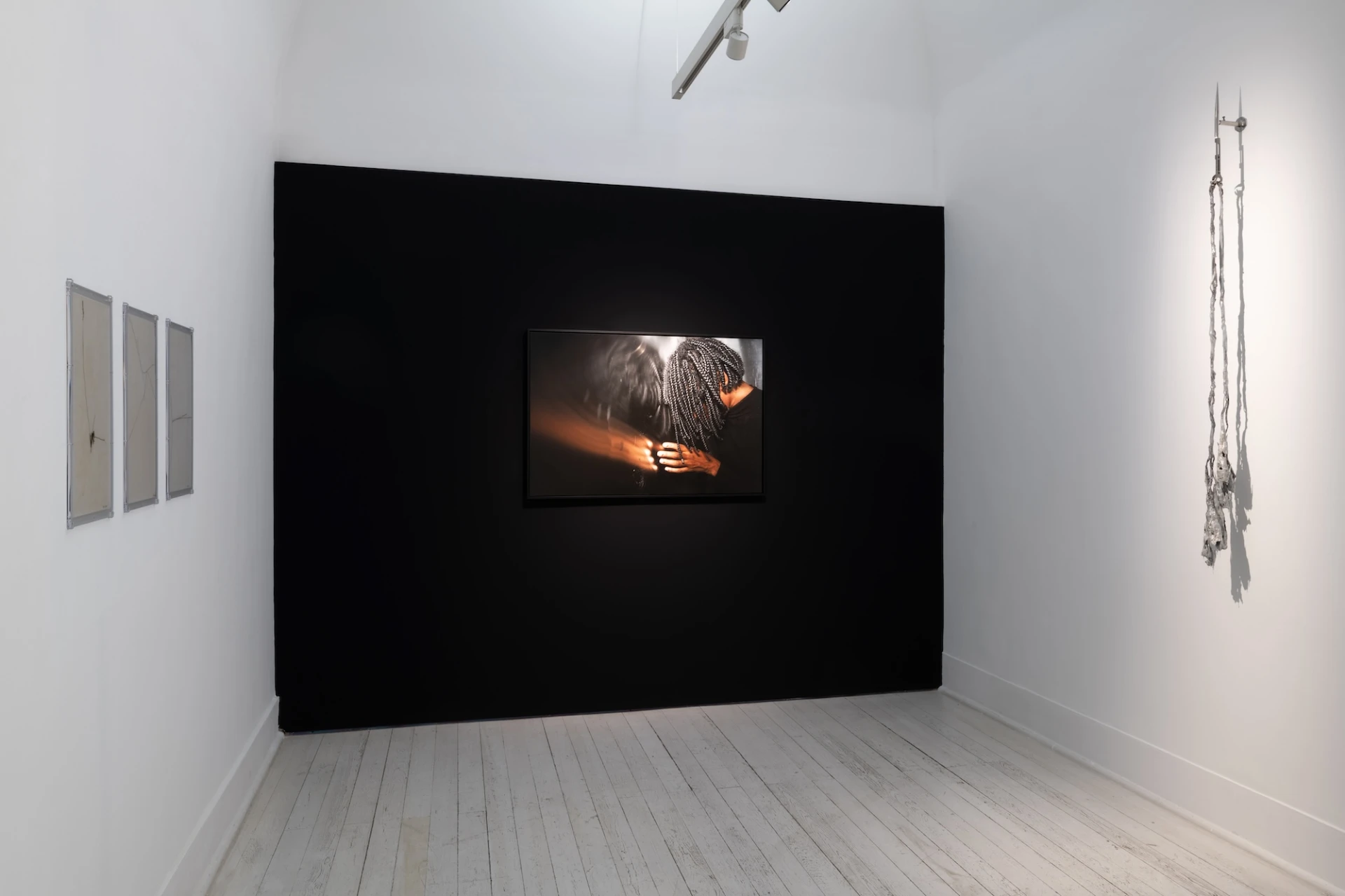
Interview with Germano Dushá, curator of 'Ultratremor' at the Museu Nacional de Arte Contemporânea - Museu do Chiado
By Orsola Vannocci Bonsi
article
21 AUG 2026
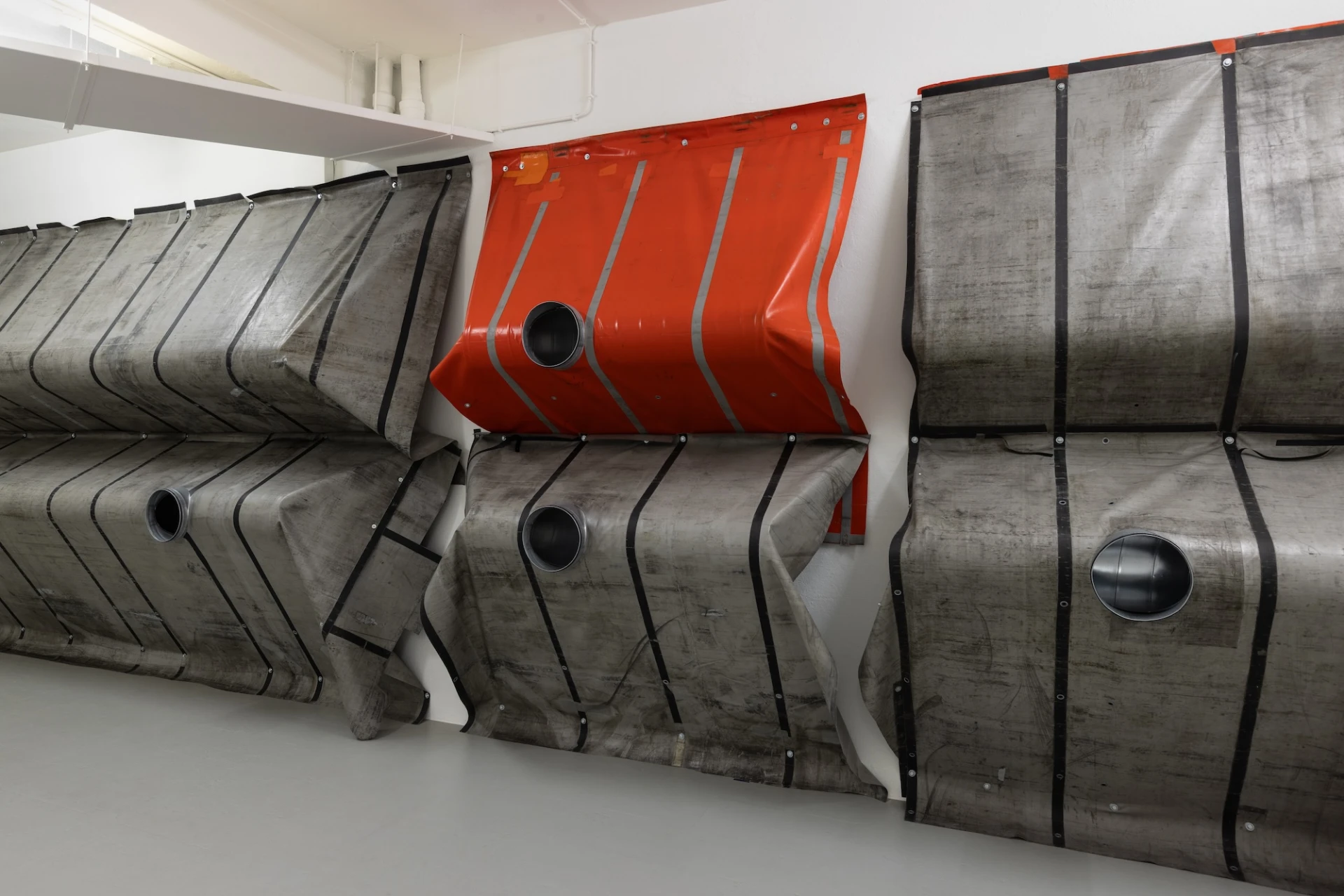
Visceral Hum: June Crespo at Kunsthalle Lissabon
By Orsola Vannocci Bonsi
article
16 JUL 2026
Walking, Therefore Perceiving: On Luísa Jacinto's So Many Names
By Orsola Vannocci Bonsi
article
14 MAY 2026
La Chantin, by Cisco Merel: the shell we are
By Orsola Vannocci Bonsi