article
Movo-me em tempo elétrico, by Ana Pérez-Quiroga at Sismógrafo
It is in Sismógrafo that Ana Pérez-Quiroga presents a new exhibition proposal, which, according to the text written by the artist herself accompanying the exhibition leaflet, is divided into two times and a measure. The exhibition presents a set of 8 pieces, both recent and from a not-too-distant past, arranged under an exhibition attempt governed by a kind of striking continuity, which seeks to activate the movement of our bodies so that we can drink from all this water1.
The first core presented to us, which will be the first part, begins with two engravings and two screen prints whose titles are circular on the four sheets of paper and which, in my view, is the structuring statement of the entire exhibition: the limit of art is the limit of life—but let's move on. Right next to them, an edition of cassette tapes whose content is a recording of the roar of the sea at Figueira da Foz, on side A, and the flow of the Dão River in Sezures, on side B. Superimposed on these two sound movements, we hear the artist's voice uttering the words “MAR” (SEA) e “RIO" (RIVER) on their respective sides, seeking to match the frequency of her timbre with water that “is first timid, like perspiration / then in a gush, / a river, the sea / a river, the sea / the river a sea”. (é primeiro tímida, como transpiração / depois em jorro, / um rio, o mar / um rio, o mar / o rio um mar)2. Two red leather boxes, each containing a gold text print, read: You are her and she is you / You are here to risk your heart, which challenges the reader.
These pieces continue our journey and introduce us to the moment of transition between times—that compass—a cotton twill painted in multiple shades of blue that prevents us from glimpsing what lies on the other side of the exhibition, reserving for us only a short and narrow corridor on the right side of the space so that we can pass to the other side. This piece, Mover para fora #1, from 2023, already served as a sky for a picnic in a 2024 exhibition at CAPC, entitled O Lugar do Espectador, and now serves the metamorphosis of the sky with the sea, suggesting itself not as a wall, but rather as a suggestion that there is something more in that tenuous line that seems infinite, without limits.
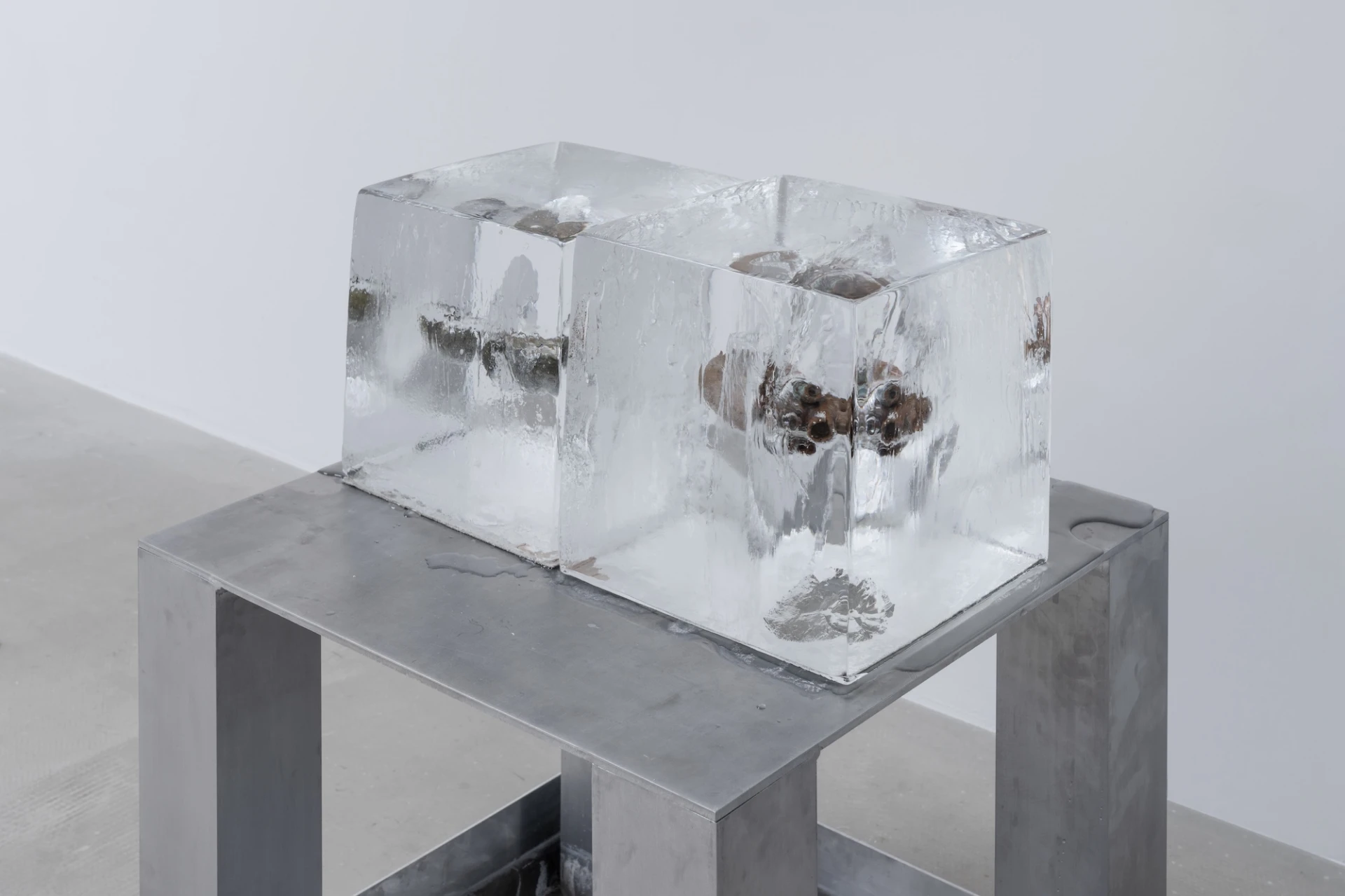
We finally arrive at the second and final exposition. Suddenly, fluorescent blue dots appear along the 17 meters of the well-known arched wall of the Seismograph, punctuating it intensely. The blue intensifies due to the reaction of argon and mercury excited by the electric current, in a glow that holds our attention more and more, fueling our curiosity to decipher what forms are being drawn there. As we follow the space, reading the blue of the argon, we realise we are reminded again that the limit of art is the limit of life. And, in a kind of dichotomy, the artist counters this statement by presenting an aluminium plinth on which rest two halves of a bronze apple and a copper-plated polymer heart. When I arrived, there was only water at the base of the plinth, but earlier, when the exhibition opened, the pieces were encased in ice cubes. Every movement associated with the transition of water from solid to liquid is documented by a series of 24 Polaroid photographs that the artist took hourly from the moment the pieces arrived at the space.
In principle, the journey ends here, which, according to the Sismógrafo's anatomy, forms a circuit. But no. Curiously, it seems to ultimately propose what Ana Pérez-Quiroga has been inspiring us to do. On the return to the exit, passing through the entire exhibition again, what we have seen is not at all the same thing. The artist's proposal is based precisely on the belief that repetition does not exist because of the constant movement of things. However small this difference may be, however much we don't feel it, it is there. Imagine a helix, for example. If we see it from above, it is just a circle, something that closes in on itself. When we change the perspective, we realise that it is in constant motion… Or, in a more direct analogy, a river and a sea! A continuity that Ana wants us to understand.
This time I wanted to begin this text by describing the exhibition setting because, in my view, there is something very important to understand about Ana Pérez-Quiroga's work, which is, moreover, quite useful for looking at the overall picture of the contemporary art sphere. One of the things that most stimulates me in the artist's work is the understanding of the exhibition project as a means. That is, what continually surrounds Ana's works is a perspective that recognises that the presence of a guiding thread among the exhibition's constituent parts does not mean one thinks only about a spatial organisation following these supposed themes. This curatorial capacity embedded in the artist's projects makes things happen beyond mere showing and allows them to be explored rather than merely represented.
Furthermore, throughout her work, there is a consistently concise conceptual capacity. Here, she considers movement as a rhizome. This metaphorical potential leads us to the tram, to aquatic undulations that blend with nodal lines that trace frequencies, to the symbolism of life, to the metaphysics of love and our relationships, to home and memory! We can even understand a fluidity in the reuse/reformulation/re-signification of her own work, which I consider a very important gesture in an artistic career. More than important, it's a real risk.
Ultimately, Movo-me em tempo elétrico is about not knowing limits. Forgive the cliché, but it's a way of being in the world, in life, a source that will gush forth this expression of ours. The limit of art is the limit of life, because both are the same thing. All that remains for me is to suggest letting go, not succumbing to cynicism, and the rest… will come! The place of art is wherever they are now.
The exhibition is on display at Sismógrafo, in Porto, until November 7, 2026.
BIOGRAPHY
Tomás Saraiva (b. 2002) has a bachelor's degree in Art and Heritage Sciences from the Faculty of Fine Arts in Lisbon and a master's degree in Curatorial Studies at the College of Arts of the University of Coimbra. His work focuses on the intersectionality between the practice of the visual arts and the practice of curation and mediation, through an exploration of relational mechanisms and their impact on the apparatus of thought and action. At the same time, he has been organizing and participating in various exhibitions both nationally and internationally.
ADVERTISING
Previous
article
30 Oct 2026
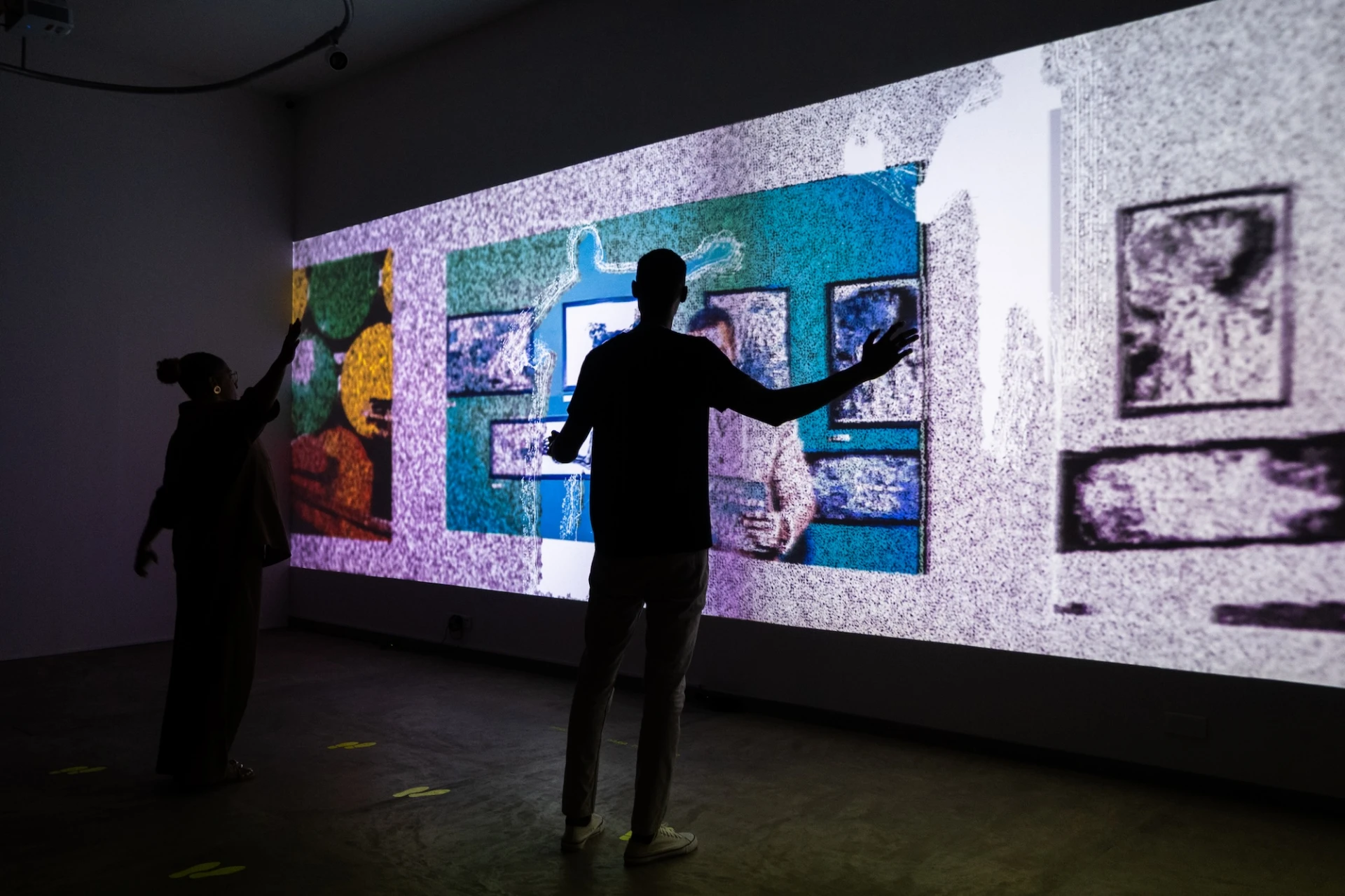
'50 years of memory, creativity and resistance' at CNAD - National Centre for Art, Crafts and Design, in Cape Verde
By Inês Alves
Related Posts
article
02 NOV 2026
Movo-me em tempo elétrico, by Ana Pérez-Quiroga at Sismógrafo
By Tomás Saraiva
article
03 SEP 2026
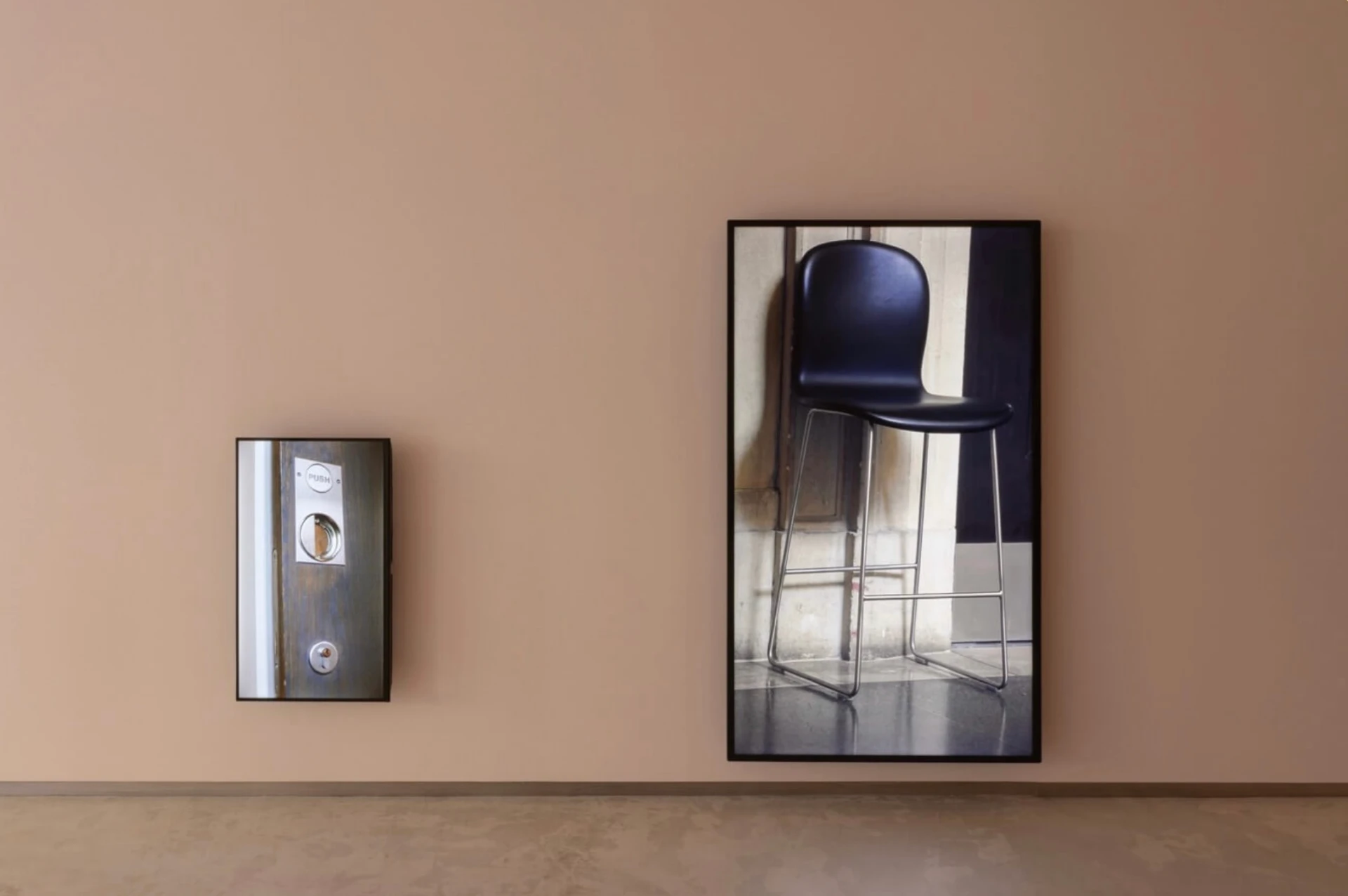
Radical Gestures, by Tatiana Macedo, at Rialto6
By Tomás Saraiva
article
13 AUG 2026
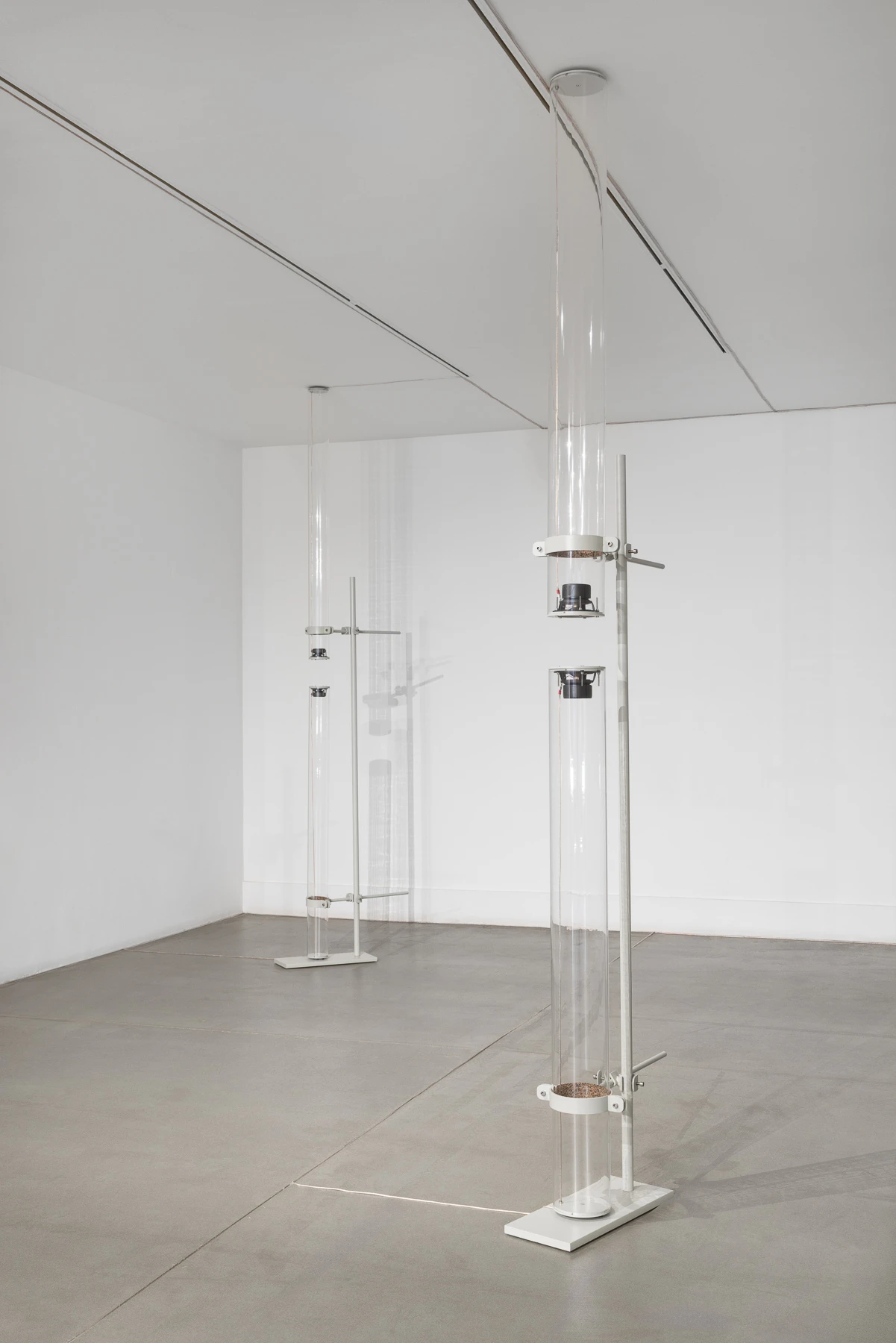
Reaching the fata morgana, by Inês Mendes Leal, at the Boavista Gallery
By Tomás Saraiva
article
13 MAY 2026
itede, itepe, by Dorota Jurczak, at Rialto6
By Tomás Saraiva