article
Steady breath: Mingyu Wu at Galeria da Boavista
"Mingyu Wu's sculptures were born unbound by time; they exist beyond the moment of their creation. Angular or organic, repetitive and symmetrical, we identify the elements and gestures that shaped them, yet the results seem almost adjacent to the world of Platonic ideals. As primordial proposals of the cosmic core, of dazzling monumentality, the solidity of their elemental and massive certainty is reflected in the plinths that support them."
The initial impression is one of robustness and prominence. On the ground floor of the Galeria da Boavista, in a subtle spatial arrangement, six towers (let's call them that for now, respecting the point from which the thought originates) take root before us. Even before an intimate choreography begins, the eyes glide across the room to encounter each of Mingyu Wu's pieces, a sequence of plastically distinct yet undivided fortresses in intention. We move over each one and around it, and they suggest references, experiences – Karnak, De Chirico, a tubular organ playing drone, Combine Citadel, Arnold Böcklin, Rocamadour… And when the appetite to follow such waves seems to be becoming irresistible, everything irresistibly crumbles.
The myriads of thoughts that, like arrows, fly through the air as we observe and inquire, are absorbed without reply by the structures that inspire them. The intransigence does not stem from coldness towards dialogue, but rather from a dissent regarding the subject. Different planes of reflection. Each of the stoneware postulates that the artist affirmed in the open space is called axiomatic. In mathematical analysis, the imperative rigor of the axioms used to define the bases of calculation is expressed in poor language. From the utmost renunciation, evidence erupts. In the gallery, lacking the transparency of scientific truth, the forms signal restricted and unerring accuracy. Tearing the limits of their structural properties, having fulfilled the merciless harshness of the production technique, these ceramics precipitate with a fine breeze of emotion. The synergy it radiates is made from balm in times of despair, amidst beacons of consolation that guard an abyss, battered yet firm.
Mingyu Wu's sculptures were born unbound by time; they exist beyond the moment of their creation. Angular or organic, repetitive and symmetrical, we identify the elements and gestures that shaped them, yet the results seem almost adjacent to the world of Platonic ideals. As primordial proposals of the cosmic core, of dazzling monumentality, the solidity of their elemental and massive certainty is reflected in the plinths that support them. Contrasting them once more, we imagine the point where Walter De Maria’s Vertical Kilometre meets Vladimir Tatlin’s tower—ever-in-the-making-and-yet-already-complete. We recognise our own insignificance in its shadow and realise that, within this volume, its scale is already complete.
More than mere iterations on a formula, each work is absolutely individualized. While sharing the primitive terms, all are their own statement, a complete fraction of the theory solidified at each moment.
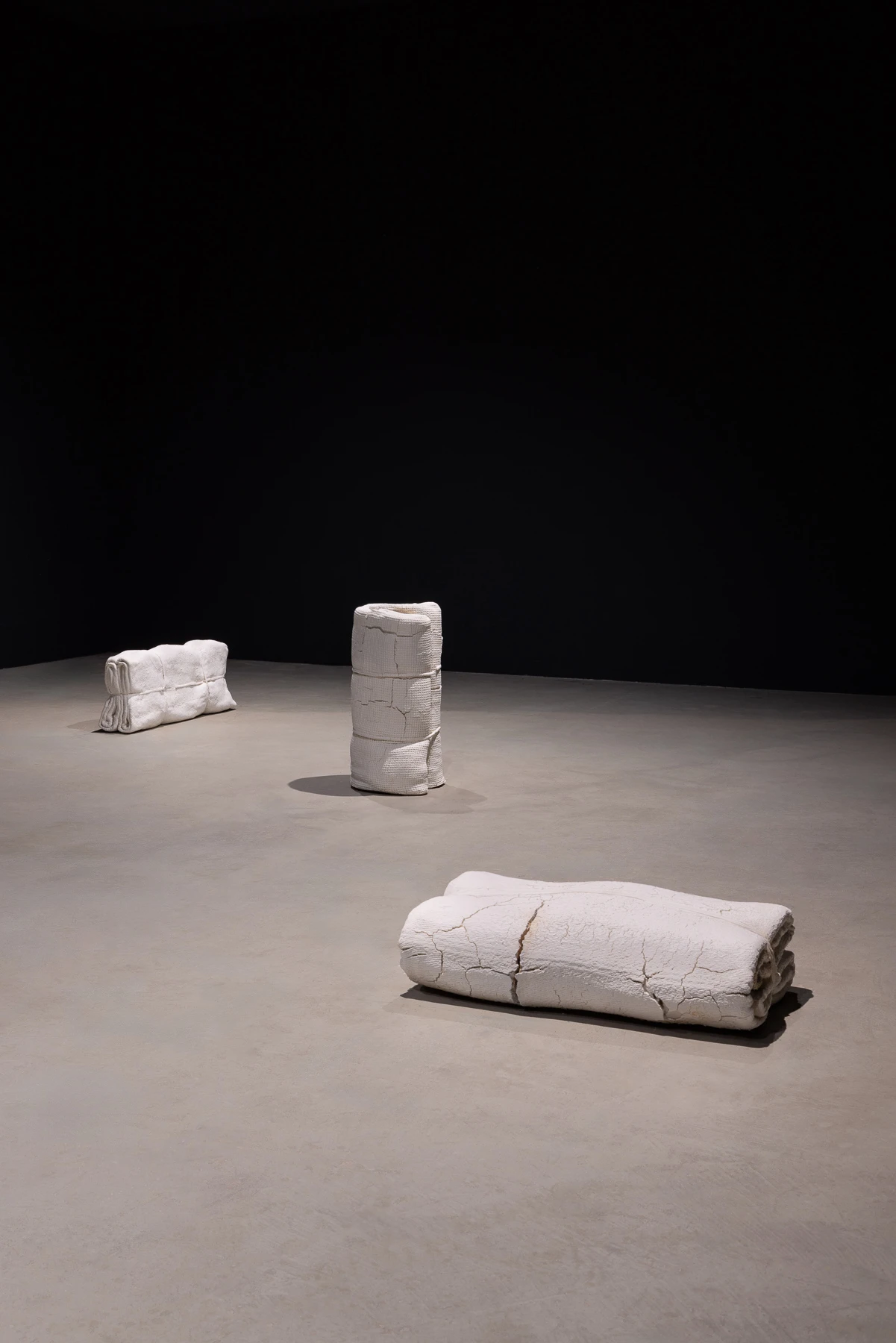
We climbed the stairs and discovered Plataforma, a series of porcelain pieces. If invisible cities existed within the impenetrable towers, these could be their spoils, what remained after the refuge. The atmosphere is one of circumspection, and the silence has a different weight. Illuminated as in a dream, they humbly ask us to kneel. If before chronology was transposed, now it has been suspended. In this arid terrain, chaos does not show itself but is present, incisive in its indifference.
Beside us, on the ground, unrolled blankets persist beyond their apparent cessation of function. They offer no warmth, no support in a calamity, yet they remain, and thus they are reshaped. The transformation of the weave into this perpetual matter gives them a texture reminiscent of the most everyday and salvific substance: bread. Sculpted by ropes and knots that encircle them in a fragile and endless embrace, the blankets carry with them another breath of life. Even through their countless cracks and wounds, they retain within themselves the unbearable flame that destined them for the horizon beyond, in a daring act of survival. The universe cools, the catastrophe spreads, the voices fall silent, and the heat of the crater endures.
"Eu sou aquela que não aprendeu a ceder aos desastres."1 (I am the one who has not learned to give in to disasters.)
We descended the stairs. Connecting the two centers, a rust-covered photograph depicts a fragment of brick, the wreckage of a clay kiln brought from oblivion to light. The rescued ruin leaves the pottery workshop vanished between life and emptiness. Voices vibrate. A (briefly) petrified breeze, in dignified and imperturbable resignation.
Mingyu Wu's Questões Celestiais 天問 (Celestial Questions), curated by Sara Antónia Matos and Pedro Faro, is on display at the Galeria da Boavista until April 26.
[1] Sophia de Mello Breyner Andresen, Livro Sexto (2ª ed.), Livraria Morais Editora, 1964
BIOGRAPHY
Diogo ES Dietl, who holds a degree in History from Universidade Nova de Lisboa, has been following contemporary artistic creation since 2012, occasionally working on its edges through writing, consulting, promotion, production, and co-curating.
ADVERTISING
Previous
article

25 Mar 2026
Notes on the 1st anniversary of MACAM
By João Pedro Soares
Next
article
27 Mar 2026
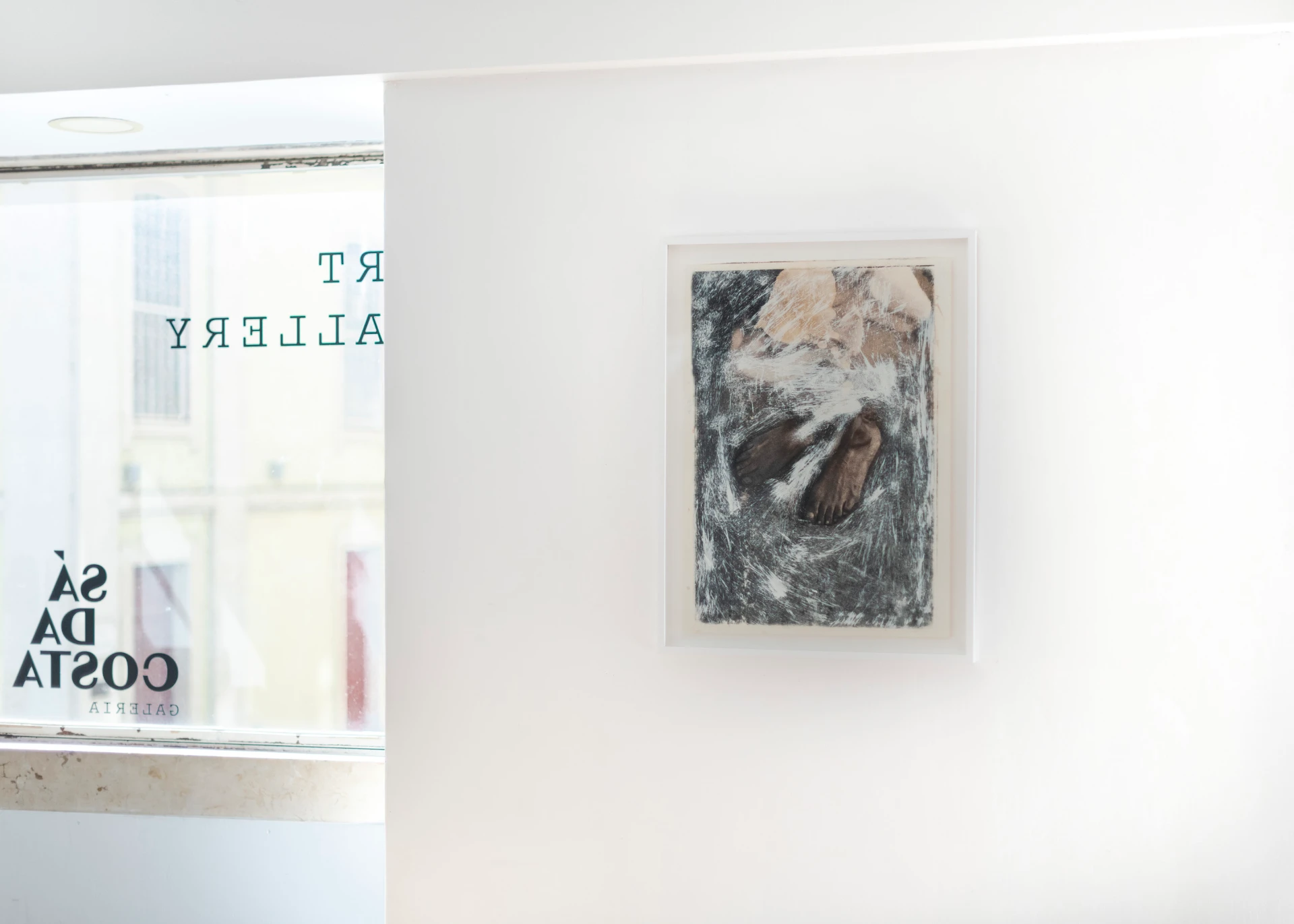
Luísa Ferreira at Galeria Sá da Costa
By Carla Carbone
Related Posts
article
26 MAR 2026
Steady breath: Mingyu Wu at Galeria da Boavista
By Diogo E S Dietl
article
28 JAN 2026
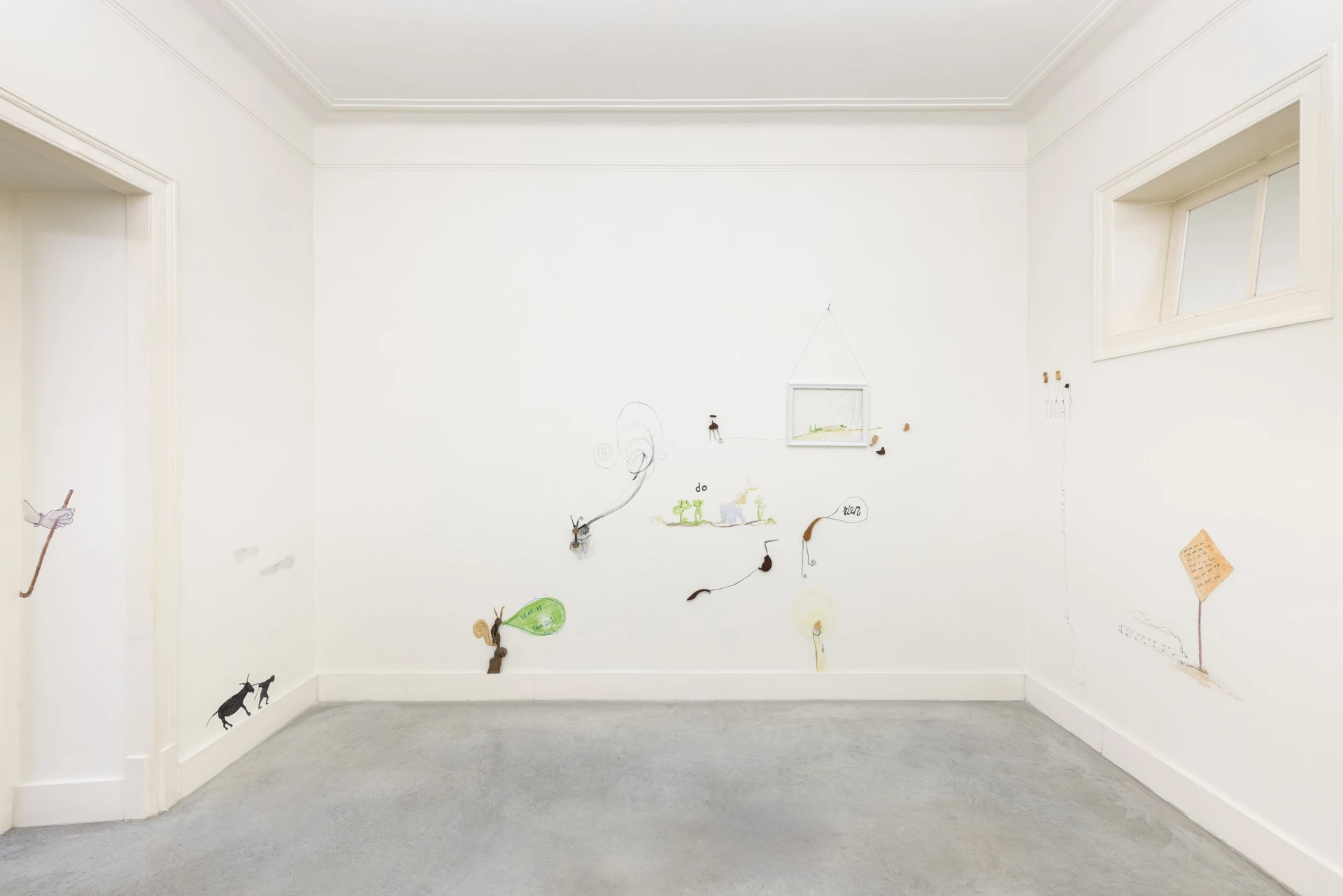
Praised Labor: Ana Jotta at messieurs-dames
By Diogo E S Dietl
interview
23 SEP 2025
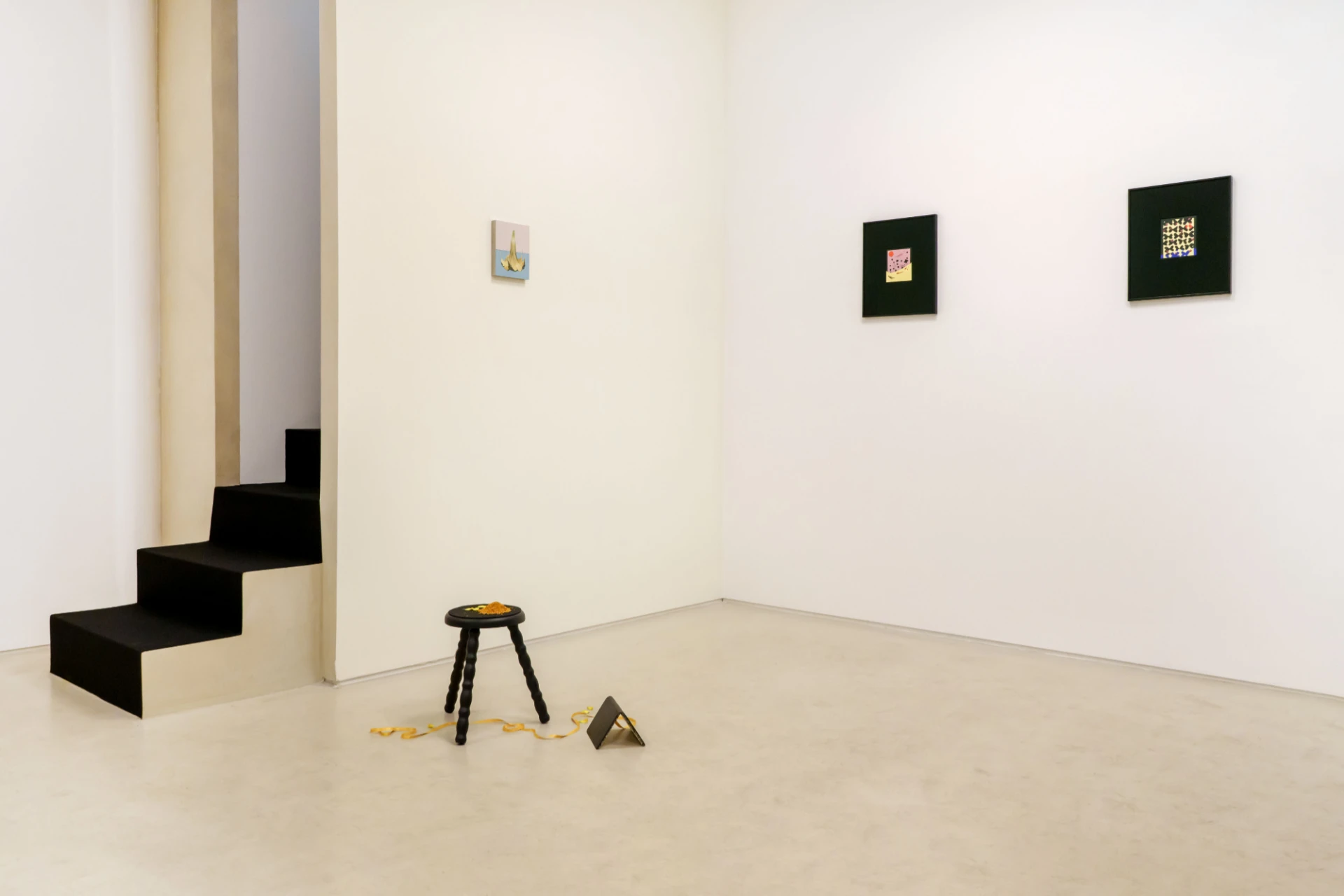
Interview with Francisca Valador, author of Umbigo´s monthly cover
By Diogo E S Dietl
article
02 SEP 2025
Prolonging the encounter: Anas by Gäetan
By Diogo E S Dietl