article
About the exhibitions at the Porto Municipal Gallery: Comissões #1, Colapso, and Pele do Mar
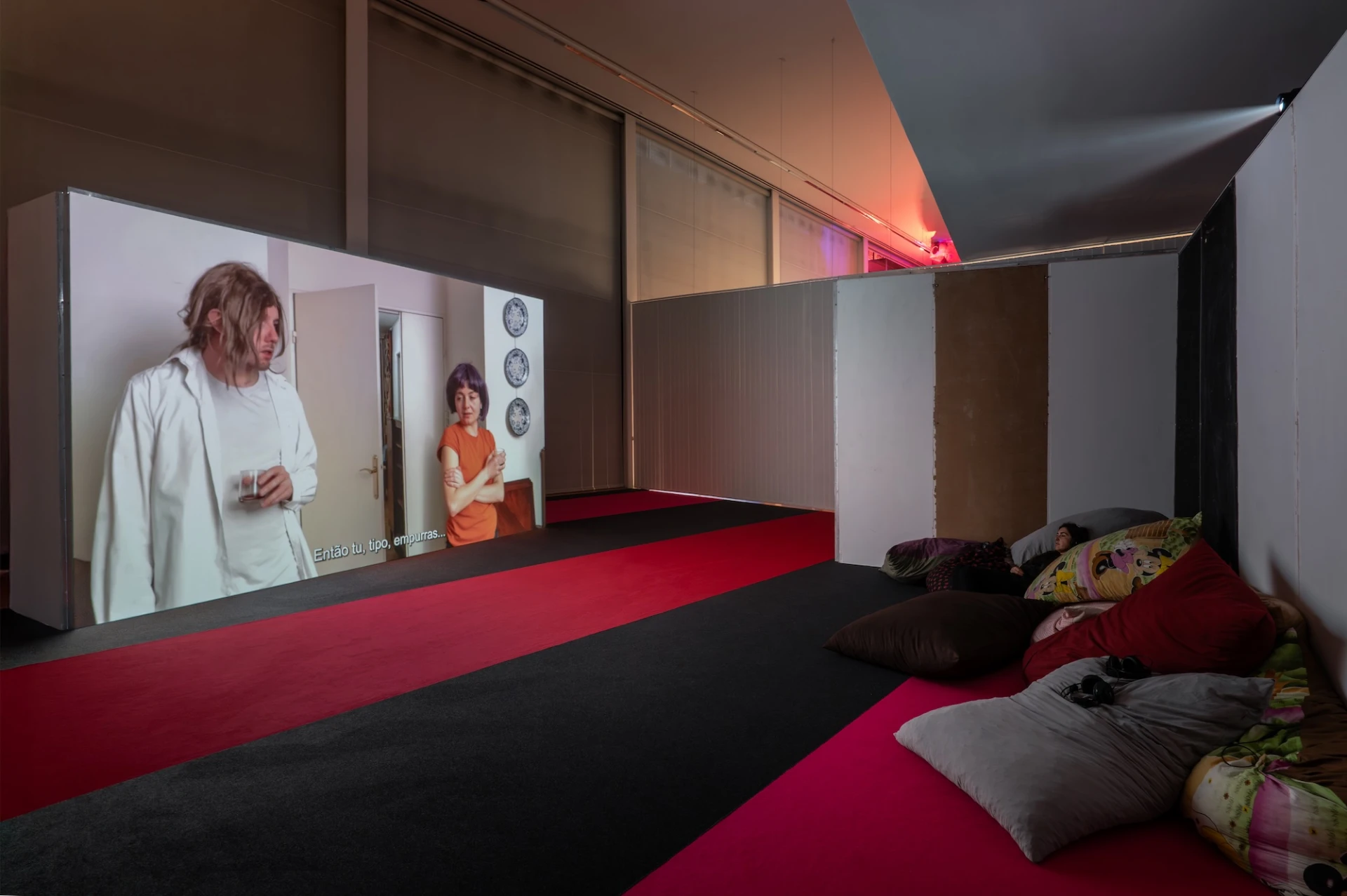
Continuing its program of simultaneous openings, the following exhibitions are on view across the three floors of the Galeria Municipal do Porto: Comissões #1, curated by João Laia and João Terras, on the ground floor; Colapso, by Silvestre Pestana, on the first floor, curated by João Laia, and Pele do Mar, by Eunice Pais, curated by Patrícia Coelho, on the basement level. Unlike the other two, the exhibition on the ground floor features a group of artists: Mauro Cerqueira, Joana Escoval, Sara Graça, Catarina Miranda, and Mariya Nesvyetaylo.
Starting on the ground floor, the exhibition promises to launch a project entitled Comissões. The initiative aims to invite a range of Portuguese artists from different generations to produce new works. In this first edition, the contrast between practices is evident. Arranged in an orderly fashion along the corridor, we find, at the start, Catarina Miranda’s piece, Pássaro Sol, which expands on her current exploration of the mechanisms of perception and illusion through the combination of light, projection and fibreglass structures. At the end is Mariya Nesvyetaylo’s piece, Observatório, which constructs, inside Cúpula—a space we can enter—a series of tapestries, evoking the cultural context inherent to the medium, drawing closer to functionality and the collective. The works by both artists are accompanied by sound compositions and create, at the poles of the exhibition, two immersive moments that aim to explore surreal imaginaries. On the other hand, and in contrast to these two approaches, the interventions by the other artists reveal varied concerns. For example, Mauro Cerqueira presents a series of intimate and intuitive drawings entitled Muitas línguas, centred on the exploratory work developed by the artist in relation to the production of his forthcoming film, dedicated to the director Rainer Werner Fassbinder. Sara Graça presents Kiki, a film lasting around an hour, in which she proposes a collaborative production, together with six other artists, which, whilst framed by a central narrative, develops autonomously. Despite the characters being common to the entire narrative, their interpretations and explorations branch out into diverse approaches that blur the work’s authorship. Finally, Joana Escoval presents O pH das lágrimas, in which she fragments a book never published by the space, and where the minimalist alliance between poetry and sound transforms the void into a place of perception and cosmic reflection.
In contrast to the ground floor, which, with its spacious layout, houses a variety of artistic practices, the lower ground floor presents, in a more condensed form, the work of Eunice Pais, with an exhibition featuring a video and an installation comprising sculptures and a soundscape. Rosa / Zita: A Liminal Space, a video lasting around 17 minutes, focuses on her mother’s journey, as a legacy that the artist carries and which, alongside an ever-shifting ocean, forms the central theme of the exhibition. Within this seemingly uniform mass, latent forms of resistance and intervention emerge, which the artist finds not only in the sea, but in her mother and in the territories she has travelled. In this sense, Do Mar de Sargaço presents her reflection, giving prominence to the Sargassum and its resistance in the face of humanity’s increasingly destructive interventions in the natural environment.
For the first floor, Silvestre Pestana has designed an installation of LED panels which, through their dual technological and pop-culture references, traverse and intersect the gallery space via vectors and words. We read isolated words – “night”, “moon”, “poem”, etc. – with no apparent connection. Thus, whilst the LED emerges as a clear model of the technological ubiquity that, in a rhizomatic manner, produces the contemporary subject, these panels contain signs (linguistic, but not only) which, in their dispersion, refuse a coherent or pre-established meaning. Instead, potentialities for assimilation are formed in a space where the sign both fills and disperses, and for which technology is both human intervention in the world and a mirrored response of the world to the human. It is a collapse – which gives the exhibition its name – both material and symbolic, constituting the greatest challenge in the face of the need to make any sense of a world full of LEDs and words.
Comissões #1 and Pele do Mar, by Eunice Pais, are on display until 14 June. The exhibition Colapso, by Silvestre Pestana, can be visited until 26 June. More information on the programme available here.
BIOGRAPHY
Mariana Machado (2000) was born in Porto and studied Cinema at Escola das Artes - Universidade Católica Portuguesa. She is currently studying for a Master's Degree in Digital and Sound Arts, also at Escola das Artes. She is an artist and researcher, interested above all in manifestations that articulate the moving image in a context between cinema and contemporary art, as well as the artistic potential of new technologies and their articulations with other materialities.
ADVERTISING
Previous
article
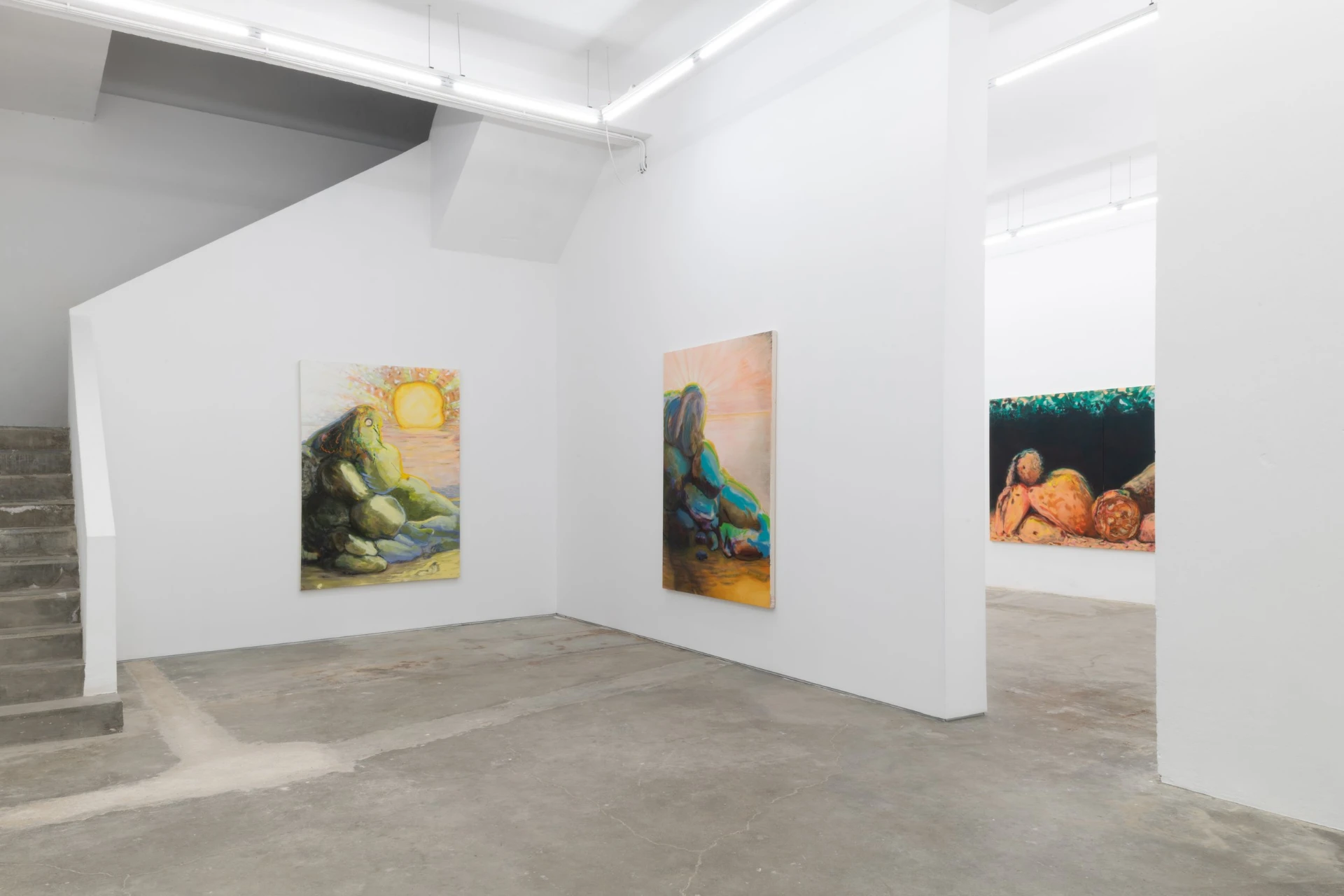
04 May 2026
Before the instant ends: "O Dia Está Pronto", by Francisca Pinto
By Tomás Camillis
Next
interview
-lds3q.jpg)
08 May 2026
Reading Images: Interview with Willem de Rooij
By Tomás Camillis
Related Posts
article
06 MAY 2026
About the exhibitions at the Porto Municipal Gallery: Comissões #1, Colapso, and Pele do Mar
By Mariana Machado
article
10 APR 2026
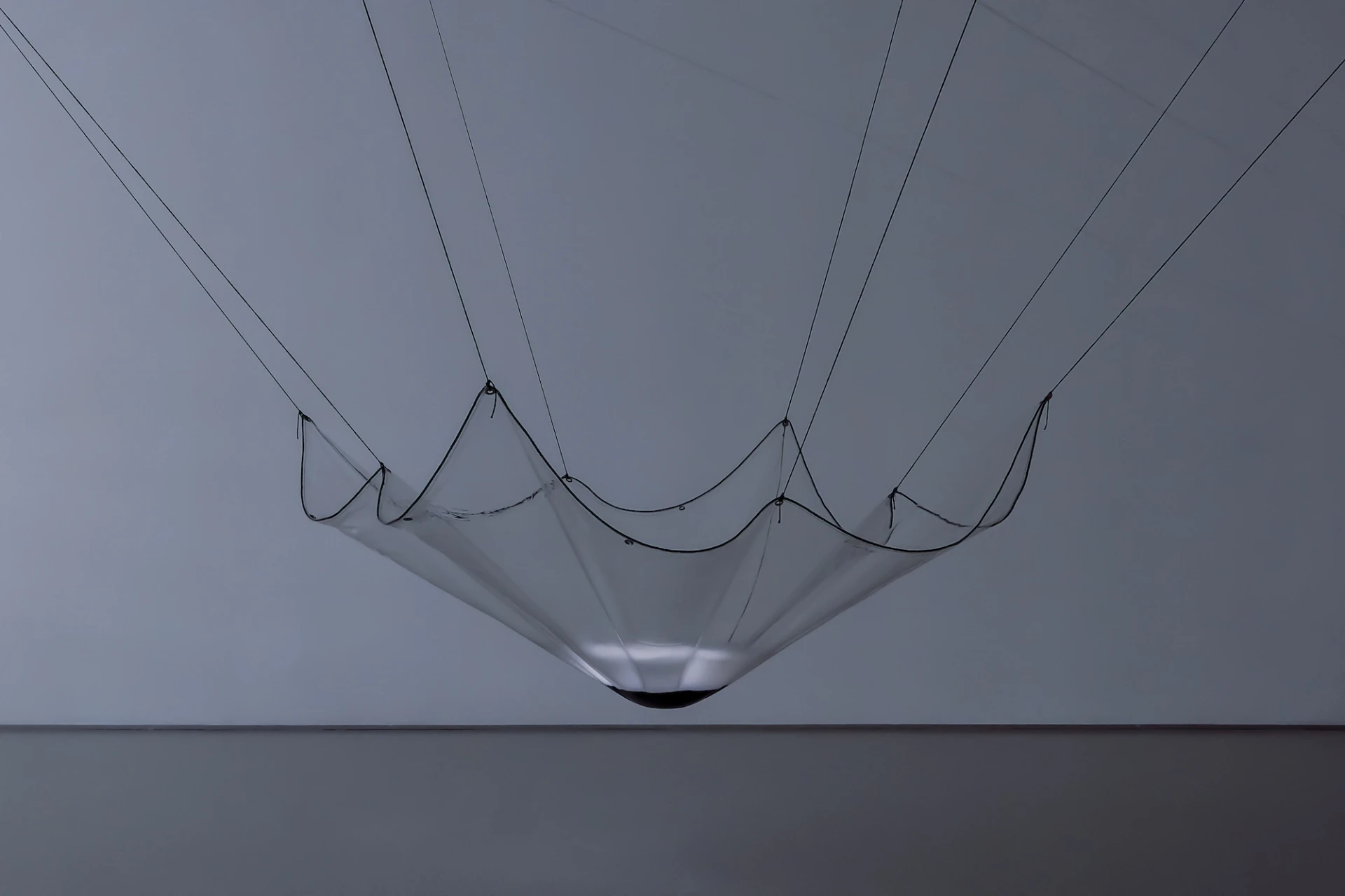
Carlos Mensil – A Grande Dança
By Mariana Machado
article
07 APR 2026
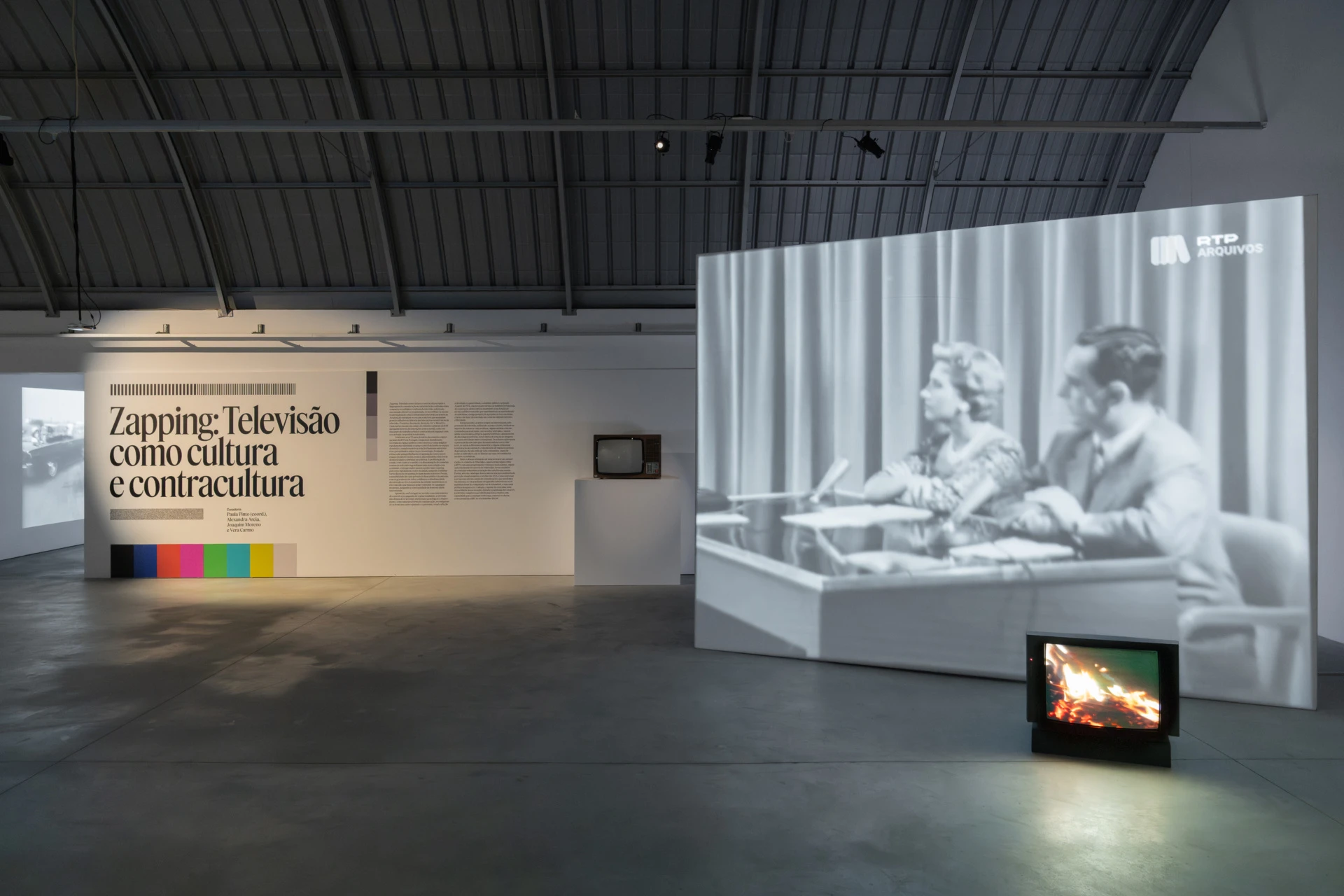
Zapping: Television as Culture and Counterculture
By Mariana Machado
article
03 FEB 2026
A Mesa Posta: The Table Set: Miguel Sánchez Lindo's year-long residency at Atelier 968
By Mariana Machado