article
Olho de Vidro, by Pedro Barassi: The Gravity of the Gaze
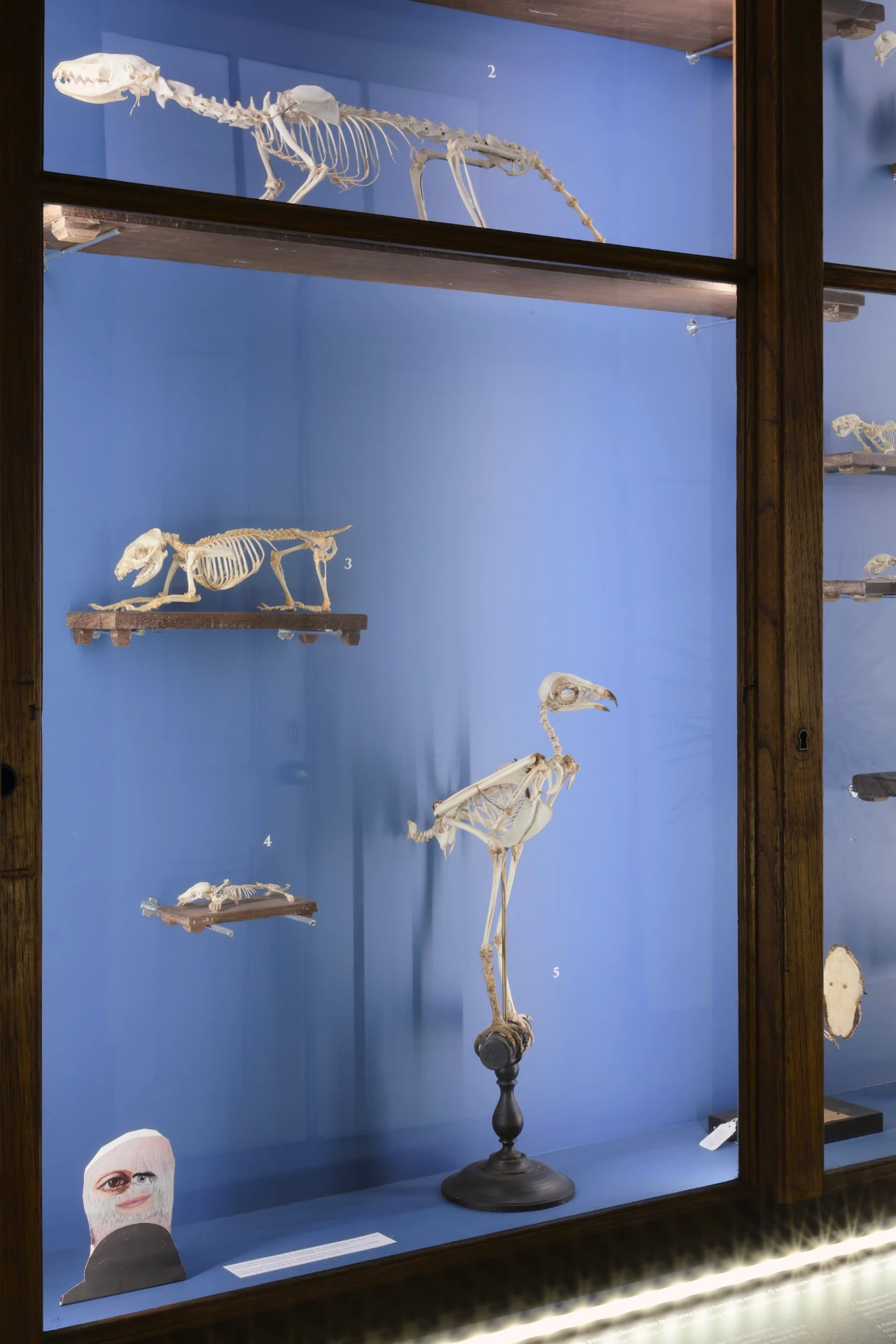
Visual artist Pedro Barassi’s exhibition Olho de Vidro investigates, through both technical and aesthetic registers, the fragile threshold between life and death experienced during the artist’s close collaboration with taxidermists Pedro Andrade and Ana Campos.
The exhibition leaflet contains a brief three-paragraph text written by Pedro Barassi himself. The text appears as a space through which to enter the atmosphere of the exhibition and the movements of the artist’s thought.
I will approach the text through its three paragraphs.
Paragraph 1:
“Stares at me from atop the almond tree trunk, motionless. I took a while to notice her, and I'm certain I've been spotted long before. (…) The improbability of such close proximity creates an atmosphere of doubt and distrust. I'm incredulous and wonder if she's alive, if she's real. (…) The wind stops, and with it, the silence freezes time for a fraction of a second, until the moment she takes flight and disappears into the darkness.”
It is here that the first seeds of doubt arise regarding what distinguishes the living gaze from the dead one. In the notion of the “Glass Eye” there is a deliberate sense of dullness; a gaze emptied of life yet still present.
The curator of the exhibition, Sofia Marçal, speaks of a postmodern logic that seeks to reconstruct a kind of science fiction in which naturalism’s intrinsic connection to idealism is integrated into a future technology. While Pedro Barassi observes animal bodies with a natural fluidity in his sketchbooks, and at the same time dissects them into fragments to reassemble them within a technical, dispersed structure, Johann Wolfgang von Goethe’s phrase “Nature is an open secret” (Die Natur ist ein offenbares Geheimnis) becomes central. What is exposed before our eyes, in all its biological and procedural clarity, can only be grasped through intuition as a deeper truth: science fiction is nothing more than an intuitive extension of the present. Perhaps this is why the stories Jules Verne imagined for the year 2000 -and once expected to become reality- still feel as if they belong far beyond our present, in a time that has not yet arrived.
This altered temporality seems to belong to an autonomous form of life.
Paragraph 2:
“On the table in the center of the room, we meet again, in a new time. This time, her attack posture reveals sharp devices for an inevitable strike, and even before I ask myself if she's alive and if she's real, I can feel that same breeze from the cliffs raising the hairs on the back of my neck. I position myself frontally and mimic a rabbit under her gaze; if I were, I probably wouldn't have time to record this scene. We stare at each other once more. Natural and artificial at the same time, its claws extended in the air, now part of a plan in the human world. It is no longer an animal, it is a sacred image, crystallized in time.”
Here, a light leaks and dissolves the sharp decisiveness of existence. The person who positions themselves before the gaze of a rabbit is no longer required to act, no longer required to be active. Passivity begins to appear as relief, as refusal, as the deactivation of a system of possibilities that no longer belongs to us. What remains is simply what is: even before the question of being alive or real can be formulated.
While moving through the exhibition, Edgar Allan Poe’s The Raven began to echo in my mind.
Later, I understood this association in two ways.
The first relates to Lucretius and his concept of clinamen in De Rerum Natura, the unpredictable “swerve” of atoms that allows for the formation of worlds. This is felt strongly in the artist’s notebook sketches and paintings. It is like a Raven landing silently at a window in the night, an image of death that arrives without announcement. In Barassi’s work, life and death become angles of deviation; Barassi measures these angles.
The second reason returns me to a memory from my studies in biology. While visiting a taxidermy museum on the top floor of our university building, we were told that biology is “everything related to life.”
Yet among preserved animals, I began to understand that death does not simply oppose life; it surrounds it, folds into it, and operates as an encompassing field.
The eyes of these animals had become glass eyes: dry, fixed, emptied of moisture, and yet they still seemed to look at us.
Paragraph 3:
“This is preparation for a new stage. Prey and predators wait silently in the dimly lit corridors, carefully cataloged and stored in protective structures. The capsule must travel through cosmic space like a message in a bottle adrift in the ocean. This is a preventative measure in case of an aggravation of the mass extinction process, which could include the human species.”
Here, the exhibition’s atmosphere is explicitly articulated: predators and prey suspended in archival corridors, preserved within systems of classification and containment.
As we move through jars of formaldehyde, what persists is the gaze of the taxidermied animal that we feel on our backs. At this moment, subjectivity splits: between predator and prey, observer and observed.
And like Poe’s narrator, who repeats a question already answered by The Raven on his window, we hear the same refrain echoing through these corridors: Nevermore.
Olho de Vidro is on view until 10 August at the Museu Nacional de História Natural.
BIOGRAPHY
Ayşenur Tanrıverdi is an Istanbul-based writer, living in Lisbon since September 2022. She studied at Istanbul University and is the author of two published works of literary fiction. A regular contributor to Cumhuriyet, a major Turkish newspaper, where she focuses on Portuguese culture. Her essays and critical texts on theatre, literature, and contemporary art have also been featured in various art magazines.
ADVERTISING
Previous
article
15 Jun 2026
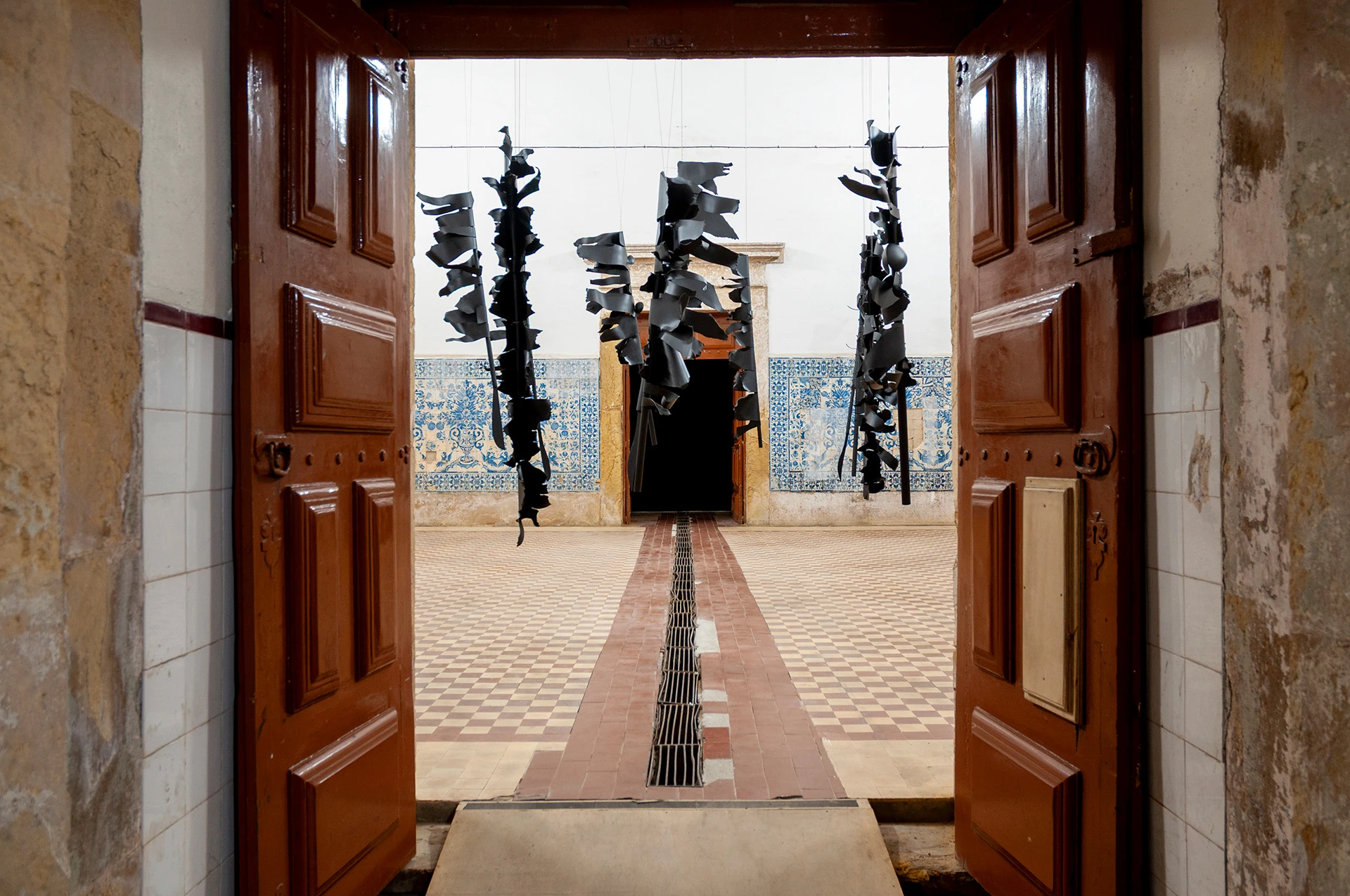
ANOZERO’26 – Bienal de Arte Contemporânea de Coimbra: Segurar, Dar, Receber (To hold, to give, and to receive)
By Mafalda Teixeira
Next
article
19 Jun 2026
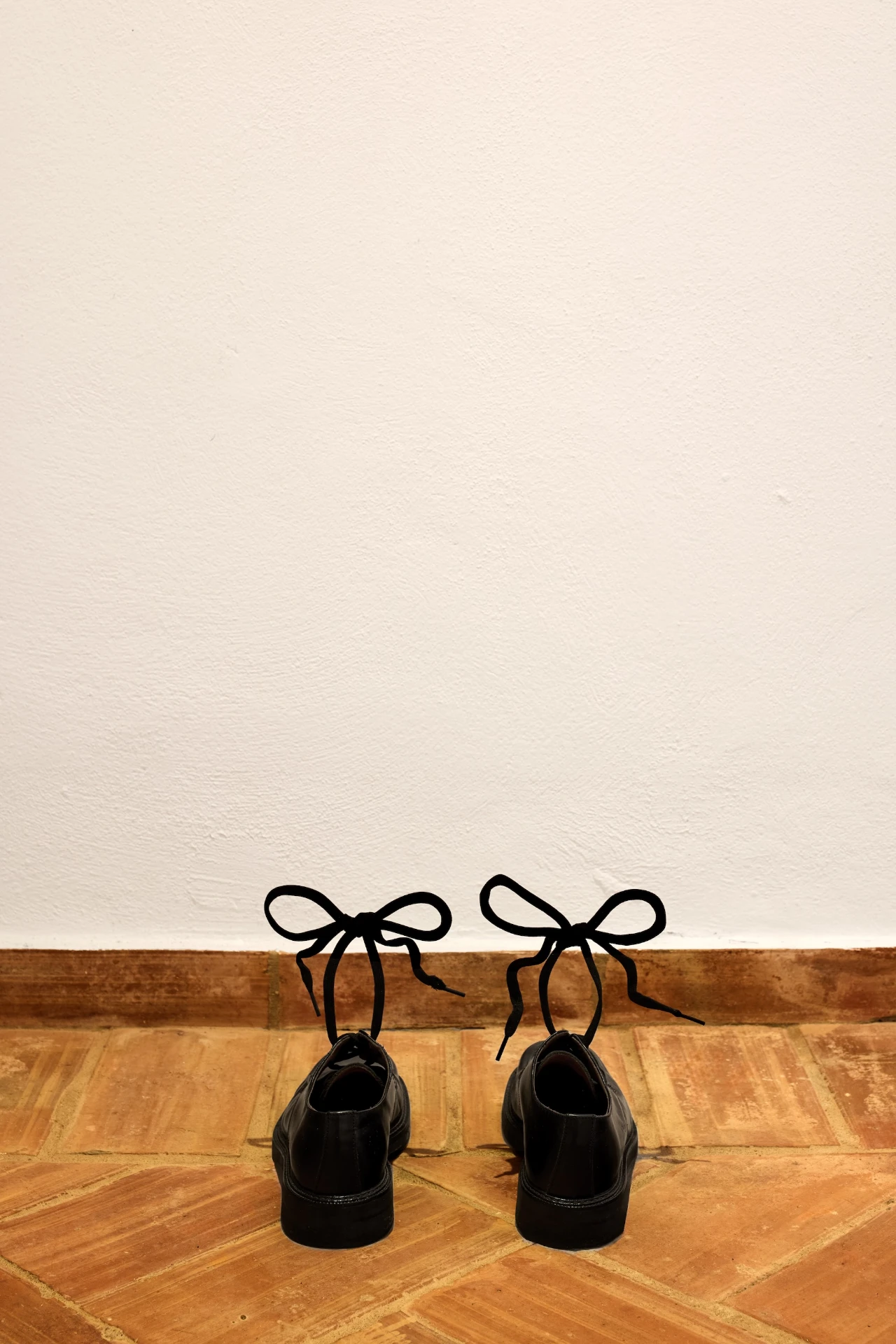
Passenger Side: Drift, movement
By Ana Isabel Soares
Related Posts
article
18 JUN 2026
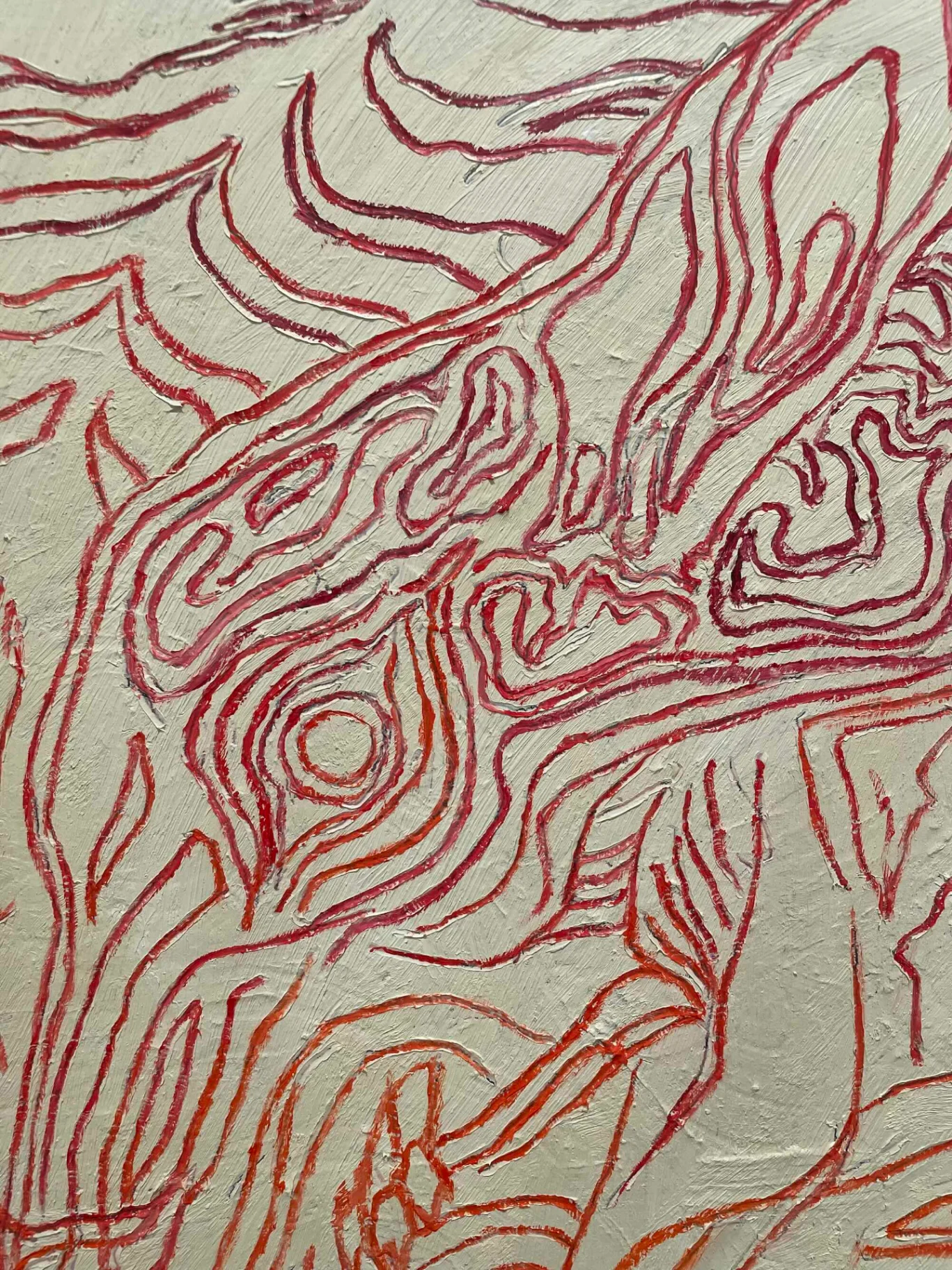
Olho de Vidro, by Pedro Barassi: The Gravity of the Gaze
By Ayşenur Tanrıverdi
article
15 JUN 2026
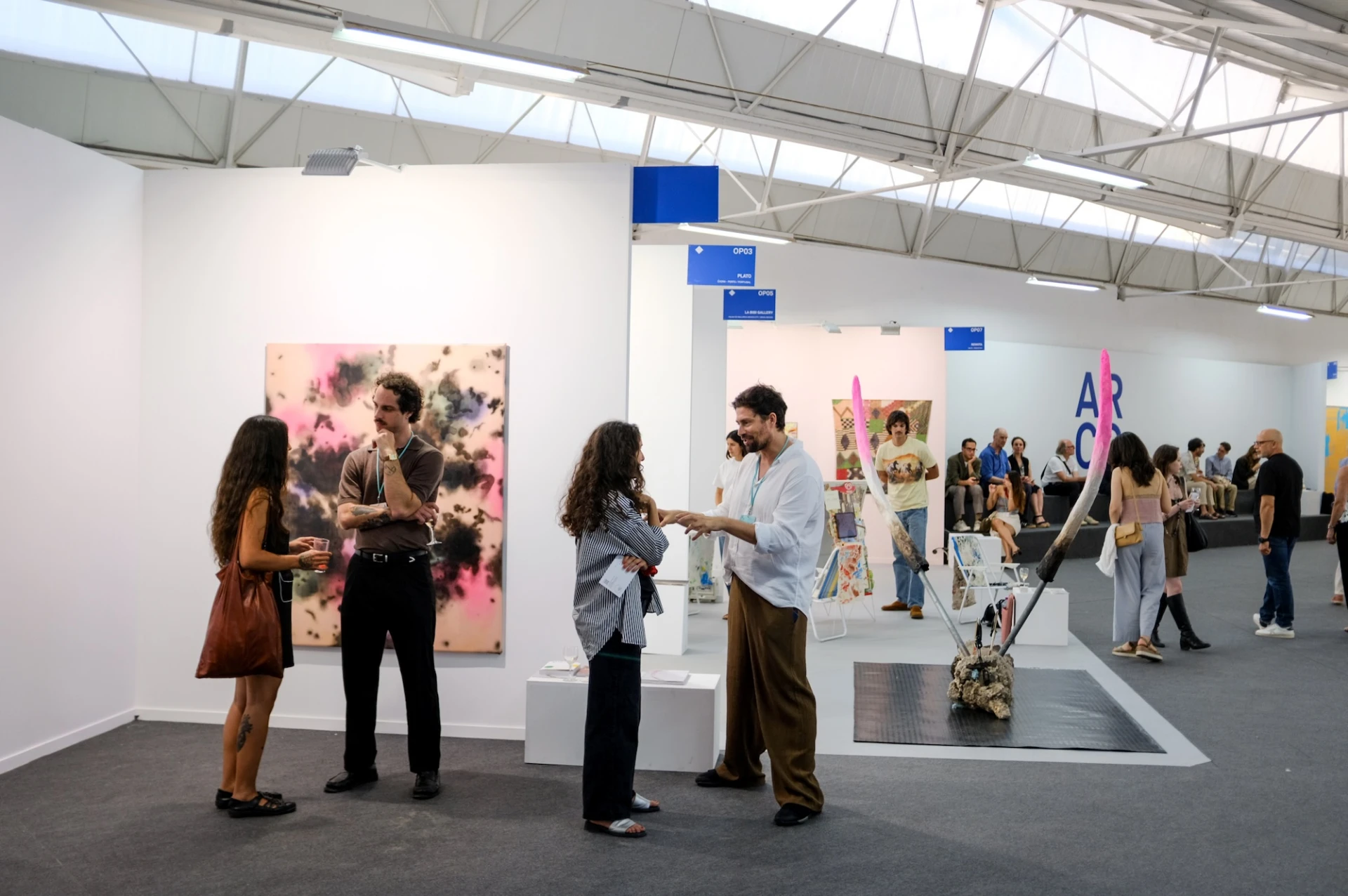
Notes on ARCO Lisboa 2026
By Ayşenur Tanrıverdi
article

08 JUN 2026
Língua Turva: The Aesthetic Unconscious
By Ayşenur Tanrıverdi
article
02 JUN 2026
On Wandering Among Beings: "Entre Seres" by Susanne Themlitz
By Ayşenur Tanrıverdi