agenda
UmbigoLAB Call: Art residency UmbigoLAB @ Casa de Mateus Foundation 2026
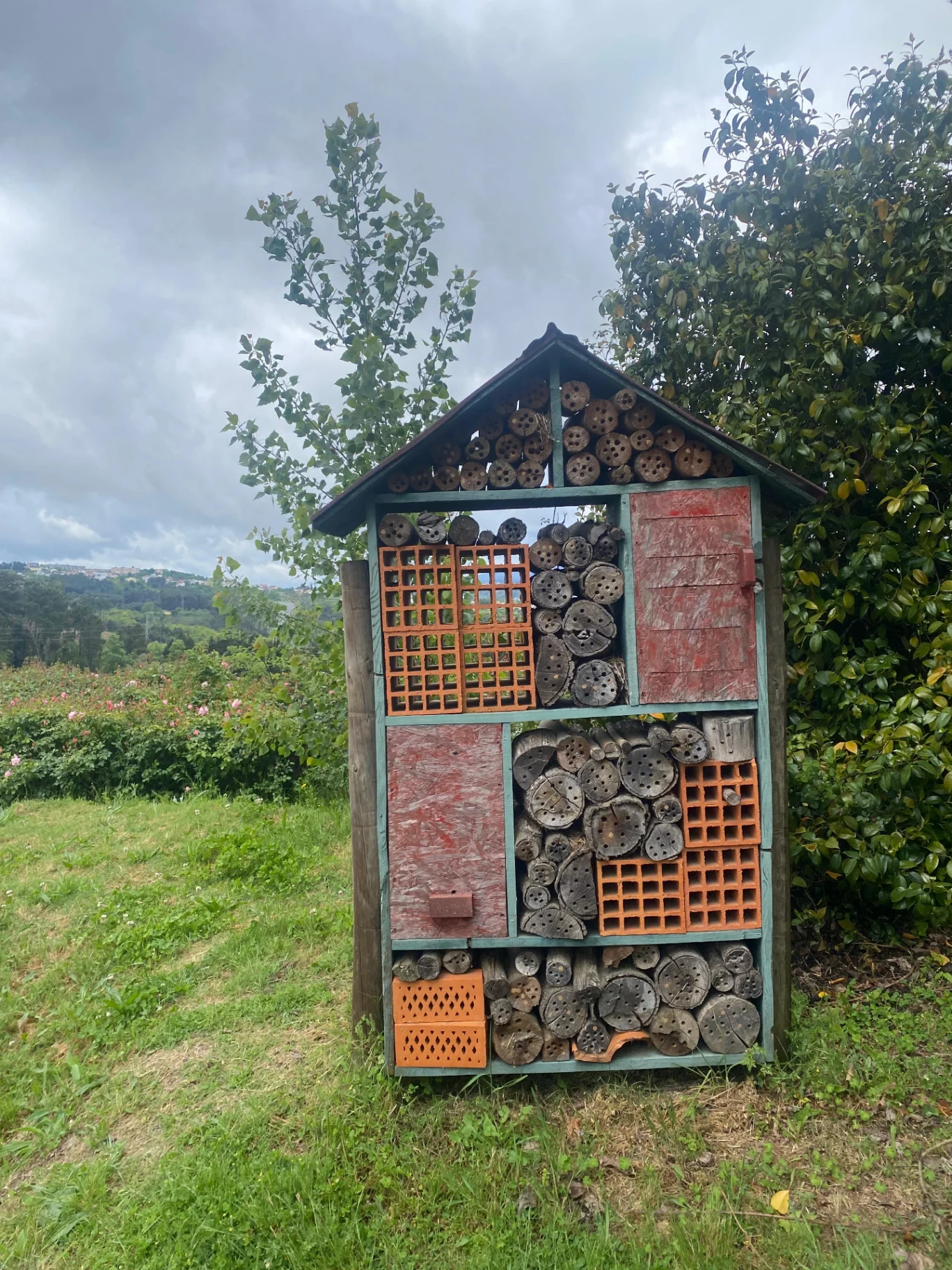
UmbigoLAB announces a new Open Call in co-creation with the Casa de Mateus Foundation, open from 22 June to 31 August. The first phase will take place at the entities’ facilities between 21 September and 2 October, and the second phase from 12 to 18 October.
Following on from Jiôn Kiim’s artist residency at the Casa de Mateus, the 2026 edition of UmbigoLAB Call @ Casa de Mateus Foundation continues to explore cultural heritage and the natural environment, reinforcing its commitment to artistic practices that promote new ecological and cultural interpretations of places. Centred on the theme of Ecology and in close dialogue with the local area, this residency continues to be framed conceptually by the School of Transitions project and forms part of the Art in the Landscape programme, developed by the Casa de Mateus Foundation.
The School of Transitions is a platform for studying, reflecting on, and testing approaches to climate, ecological, and digital transitions. It also seeks to explore pathways toward a logical, philosophical, social, and equitable transition. The School recognizes the importance of understanding our environmental heritage deeply and aims to find methods for its preservation and regeneration. Ultimately, it strives to identify concrete pathways toward sustainability and a symbiotic balance with nature.
The Art in the Landscape programme complements scientific and philosophical research and dissemination with an artistic perspective that is essential to the development of mechanisms for overcoming environmental and social collapse.
This call for applications is targeted at visual artists interested in conducting research and creating art that aligns with environmental and human heritage. We encourage submissions from artists whose work already reflects a commitment to environmental issues.
UmbigoLAB will accept applications from all artists or artist duos listed on the platform at the time of submission, regardless of age, gender, nationality, residence, or registration date. However, artists or artist duos who have previously participated in another artistic residency at UmbigoLAB are not eligible to apply.
The artist or artist duo interested in applying for the UmbigoLAB residency must submit an artistic project by August 31, 2026. The project should engage with the specific context of this residency and explore the theme of Ecology in relation to the territory of Mateus and Vila Real.
As with previous UmbigoLAB residencies, the selection of the winning artist or duo will be made by a jury specifically assembled for this purpose. This jury will include Liliana Coutinho, Matilde Seabra, and one representative from each of the sponsoring entities: Umbigo Edições/Fundação Millennium bcp and Fundação da Casa de Mateus.
Founded in 2018 with support from the Millennium bcp Foundation, UmbigoLAB has been dedicated to creating a new dynamic for exhibition, dissemination, and communication within the contemporary art scene. The residency aims to enhance the platform’s scope of action and solidify its presence in contemporary art.
The objective is not only to foster new dynamics in exhibition, dissemination, and communication but also to provide fresh stimuli for artistic creation.
Now integrated into Umbigo.space, UmbigoLAB features new elements and posts showcased on the Umbigo.space wall, displayed chronologically alongside all other sections.
We invite you to review the conditions or regulations and submit your application between June 22 and August 31, 2026.
*
Liliana Coutinho (Lisbon, 1977) is an author, curator and programme coordinator for Debates and Conferences at Culturgest in Lisbon. She holds a PhD in Aesthetics and Art Sciences from the Université Paris 1 Panthéon-Sorbonne and is a researcher at the IHC — NOVA FCSH. She was part of the curatorial team for the INDEX 2022 Art and Technology Festival (12–22 May 2022, Braga). She served as editorial coordinator for Close-Up (Orfeu Negro, 2022), by Ana Borralho & João Galante, a book marking the duo’s 20 years of artistic collaboration. She co-edited the book Paisagens Imprevistas (2020), dedicated to the 10th anniversary of the Materiais Diversos Festival. She was head of the Education Department at the Serralves Museum. As a researcher and curator, she has collaborated with the Maria Matos Municipal Theatre, the Centre for Modern Art – Calouste Gulbenkian Foundation, the Serralves Museum, Le Plateau (Paris), Artistas Unidos, Atelier Re.Al and Walk & Talk biennial.
Matilde Seabra (Porto, 1980) is an architect and a programme coordinator specialising in contemporary culture and architecture. She coordinates outreach projects for public and private institutions, such as 23 Milhas in Ílhavo and the Serralves Foundation in Porto, which promote interdisciplinarity and dialogue between academic and popular knowledge. She coordinated the ping! ping! Programa de Incursão à Galeria and the Public Programmes at the Porto Municipal Gallery. Over the course of six years, the educational project ping! presented four programming themes: ‘Gineceu&Estigma’, which invited different audiences to consider the gardens of the Crystal Palace from an ecological perspective; ‘Massa-Mãe’, which encouraged learning and practical actions based on food policies and the healing power of plants; Memória de Elefante, which presented more inclusive narratives of human history, drawing on the apparent invisibility of the legacy of the First Portuguese Colonial Exhibition of 1934. She currently manages Talkie-Walkie, an organisation dedicated to recognising territories and raising awareness amongst those who inhabit them through the implementation of outreach programmes, performative tours, conferences and events. For each project, artistic and intellectual practices are brought together in a collective design, drawing on the specific characteristics of each location.
ADVERTISING
Previous
article
19 Jun 2026
Passenger Side: Drift, movement
By Ana Isabel Soares
Next
article
23 Jun 2026
Intervalos – WhiteBox #1, at Museu do Caramulo
By Inês Ferreira-Norman
Related Posts
agenda
14 SEP 2026
The duo Carla Cruz & Cláudia Lopes was selected for the UmbigoLAB artistic residency at Fundação da Casa de Mateus 2026
By Umbigo
agenda
14 SEP 2026
The Supporting Act Foundation opens its 2026 Grants
By Umbigo
agenda
11 SEP 2026
The Odemira Art and Science Biennial launches its pilot edition between 3 and 5 October 2026
By Umbigo
article
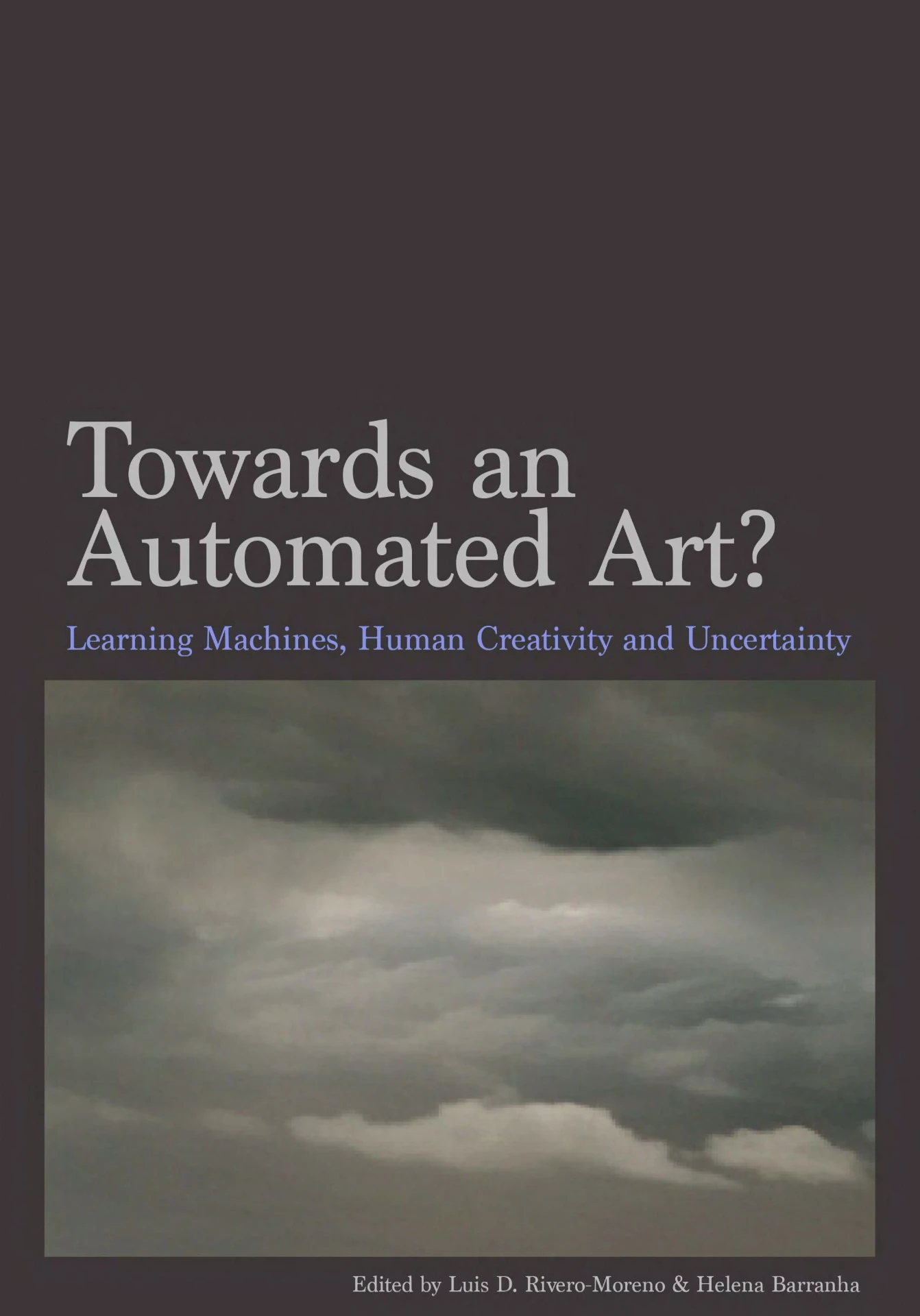
04 SEP 2026
Deep Learning: e-book Towards an Automated Art? Learning Machines, Human Creativity And Uncertainty
By Umbigo